How does a stage-gate model cut product-launch failures?
The stage-gate model has been a cornerstone of product development for decades, and its effectiveness in reducing product-launch failures is well-documented. By dividing the development process into structured phases, each with a go/no-go review, organizations can de-risk launches, speed up execution, and ensure that only validated concepts reach the market. In this blog post, we’ll delve into the details of the stage-gate model and explore how it can help prevent product-launch failures.
The Stage-Gate Model: A Structured Approach to Product Development
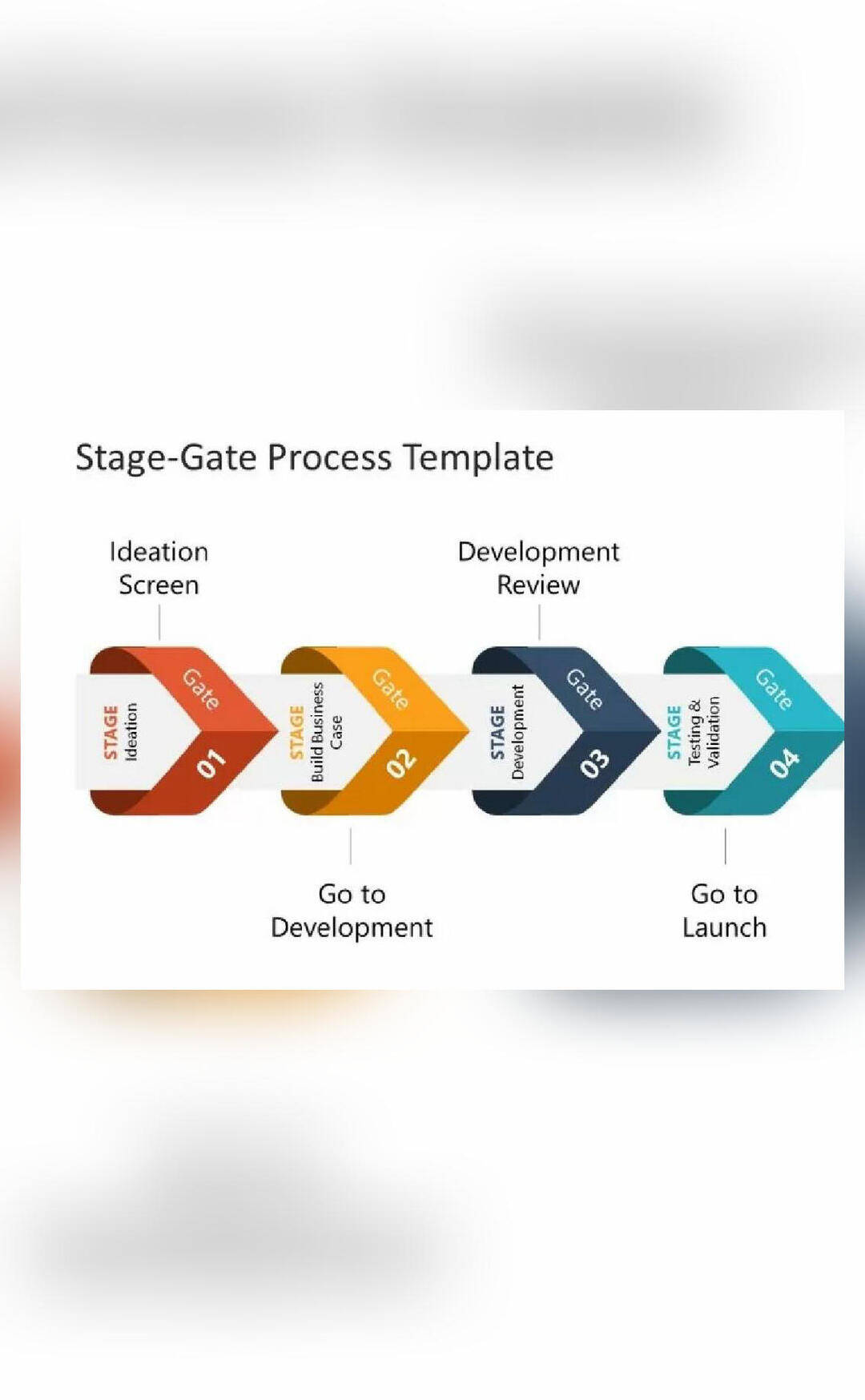
The stage-gate model consists of five distinct phases: idea, scoping, feasibility, development, validation, and launch. Each phase is designed to build on the previous one, with a go/no-go review at the end of each stage. This review process allows teams to assess the viability of their project and make informed decisions about whether to proceed or kill the project.
The first phase, idea, is where new product ideas are generated and initially assessed. This phase is all about creativity and brainstorming, with the goal of coming up with innovative solutions to real customer problems. The output of this phase is a list of potential ideas, each with a brief description and some initial market research.
The next phase, scoping, involves defining the project scope, including the business case, market requirements, and technical feasibility. This phase is critical in determining whether the project is worth pursuing, and it sets the foundation for the rest of the development process.
The feasibility phase is where the team conducts a detailed analysis of the project’s technical and financial viability. This includes assessing the competition, evaluating potential risks and roadblocks, and developing a preliminary business plan. The output of this phase is a feasibility report that outlines the project’s potential for success.
The development phase is where the product is actually built. This phase involves designing, prototyping, and testing the product, as well as developing the necessary marketing and sales materials. The output of this phase is a fully functional product that is ready for launch.
The validation phase is where the product is tested with real customers to validate its market potential. This phase involves gathering feedback, iterating on the product, and refining the business plan. The output of this phase is a validated product that is ready for launch.
Finally, the launch phase is where the product is released to the market. This phase involves executing the launch plan, including marketing, sales, and distribution.
How the Stage-Gate Model Cuts Product-Launch Failures
So, how does the stage-gate model cut product-launch failures? There are several ways:
- Prevents Over-Investment in Weak Ideas: The stage-gate model prevents teams from over-investing in weak ideas by requiring a go/no-go review at the end of each phase. This ensures that only the strongest ideas make it to the next phase, and that resources are not wasted on projects that are unlikely to succeed.
- Forces Early Market Checks: The stage-gate model forces teams to conduct early market checks, which helps to validate the product’s market potential. This reduces the risk of launching a product that doesn’t meet customer needs.
- Encourages Risk Analysis: The stage-gate model encourages teams to conduct thorough risk analyses, which helps to identify potential roadblocks and develop mitigation strategies.
- Ensures Resource Alignment: The stage-gate model ensures that resources are aligned with the project’s goals and objectives. This helps to prevent scope creep and ensures that the project stays on track.
- De-Risks Launches: The stage-gate model de-risks launches by requiring a thorough validation phase. This phase helps to identify any potential issues with the product or launch plan, and ensures that the product is ready for launch.
Real-World Examples of the Stage-Gate Model in Action
The stage-gate model has been used by numerous organizations to launch successful products. For example, companies like Procter & Gamble, 3M, and IBM have all used the stage-gate model to develop and launch new products.
One notable example is the development of the Swiffer, a popular cleaning product developed by Procter & Gamble. The Swiffer was developed using the stage-gate model, with a focus on early market checks and risk analysis. The product was a huge success, and it has become one of the most popular cleaning products on the market.
Conclusion
In conclusion, the stage-gate model is a powerful tool for reducing product-launch failures. By dividing the development process into structured phases, each with a go/no-go review, organizations can de-risk launches, speed up execution, and ensure that only validated concepts reach the market. The stage-gate model prevents teams from over-investing in weak ideas, forces early market checks, encourages risk analysis, ensures resource alignment, and de-risks launches.
If you’re interested in learning more about the stage-gate model and how it can help your organization launch successful products, check out our blog at https://www.growthjockey.com/blogs/stage-gate-model.
News Source: https://www.growthjockey.com/blogs/stage-gate-model
About the Author