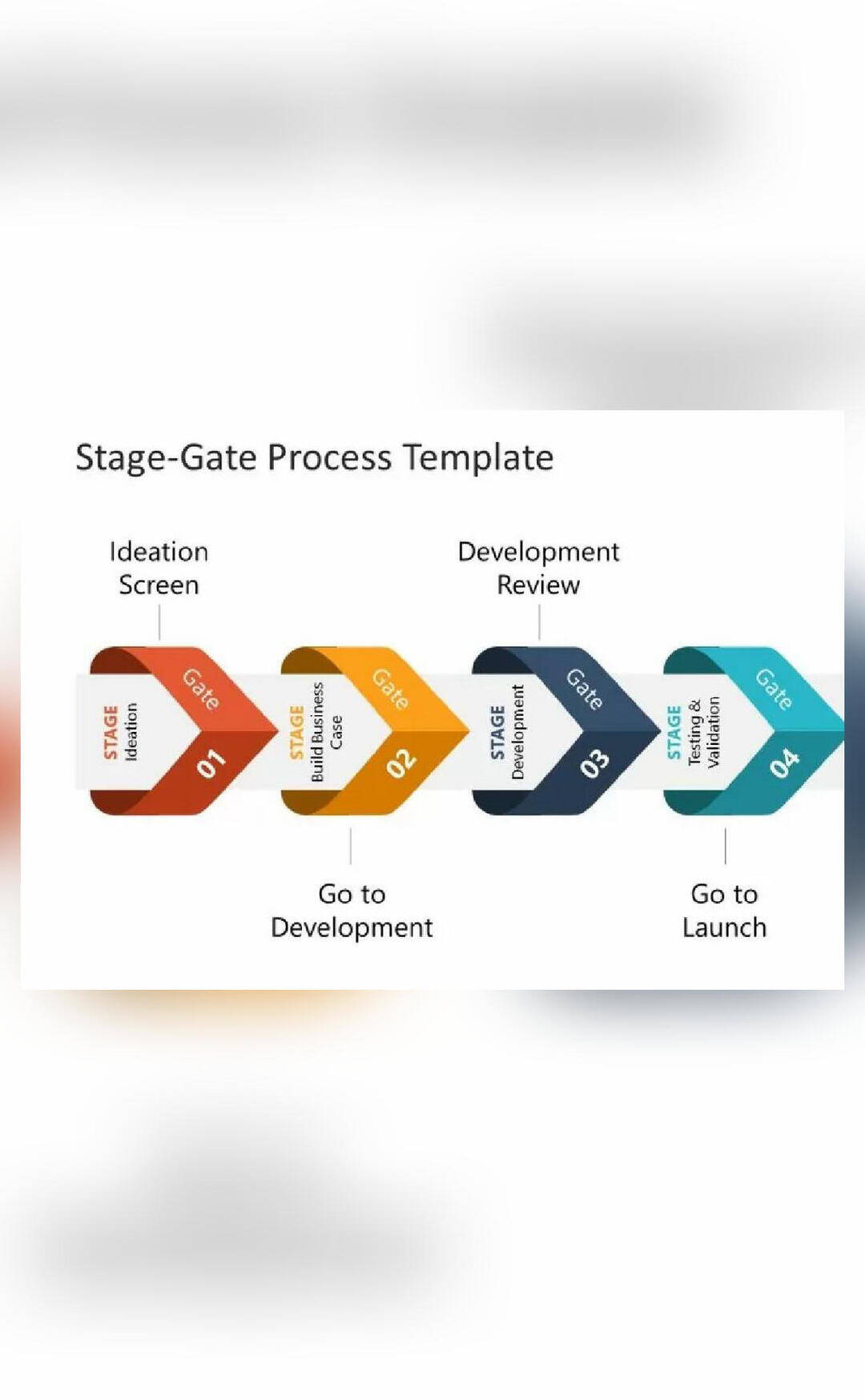
How does a stage-gate model cut product-launch failures?
The stage-gate model is a widely adopted methodology for managing the development and launch of new products. It divides the development process into structured phases, each with a specific set of activities and deliverables, followed by a go/no-go review. This approach helps organizations to de-risk their product launches, speed up execution, and ensure that only validated concepts reach the market. In this blog post, we will explore the stage-gate model in detail, its benefits, and how it can help organizations cut product-launch failures.
The Stage-Gate Model: An Overview
The stage-gate model consists of five stages: idea, scoping, feasibility, development, validation, and launch. Each stage has a specific set of activities, and at the end of each stage, a go/no-go review is conducted to determine whether the project should proceed to the next stage.
- Idea Stage: This is the initial stage where ideas for new products or services are generated. The idea stage involves brainstorming, research, and concept development.
- Scoping Stage: In this stage, the idea is further developed, and a preliminary business case is created. The scoping stage involves defining the project scope, identifying the target market, and estimating the resources required.
- Feasibility Stage: This stage involves conducting a detailed feasibility study to determine whether the project is viable. The feasibility stage includes market research, technical feasibility, and financial analysis.
- Development Stage: In this stage, the product or service is developed, and a prototype is created. The development stage involves designing, testing, and refining the product or service.
- Validation Stage: This stage involves testing the product or service with a small group of customers to validate its market potential. The validation stage includes gathering feedback, refining the product or service, and finalizing the launch plan.
- Launch Stage: This is the final stage where the product or service is launched into the market. The launch stage involves executing the launch plan, monitoring the market response, and making any necessary adjustments.
Benefits of the Stage-Gate Model
The stage-gate model offers several benefits to organizations, including:
- Reduced Product-Launch Failures: The stage-gate model helps organizations to identify and eliminate weak ideas at an early stage, reducing the risk of product-launch failures.
- Improved Resource Allocation: The stage-gate model ensures that resources are allocated to projects that have a high potential for success, reducing waste and improving resource utilization.
- Faster Time-to-Market: The stage-gate model enables organizations to launch products faster by streamlining the development process and reducing the time spent on non-viable projects.
- Increased Customer Satisfaction: The stage-gate model involves customer feedback and validation at various stages, ensuring that the final product or service meets customer needs and expectations.
- Better Risk Management: The stage-gate model involves risk analysis and mitigation at each stage, reducing the risk of project failures and minimizing the impact of unexpected events.
How the Stage-Gate Model Cuts Product-Launch Failures
The stage-gate model cuts product-launch failures in several ways:
- Early Market Checks: The stage-gate model involves market research and customer feedback at an early stage, helping organizations to validate their ideas and identify potential market risks.
- Risk Analysis: The stage-gate model involves risk analysis at each stage, helping organizations to identify and mitigate potential risks and reduce the likelihood of project failures.
- Resource Alignment: The stage-gate model ensures that resources are allocated to projects that have a high potential for success, reducing waste and improving resource utilization.
- Go/No-Go Reviews: The stage-gate model involves go/no-go reviews at each stage, helping organizations to eliminate weak ideas and projects that are unlikely to succeed.
- Continuous Feedback: The stage-gate model involves continuous feedback from customers, stakeholders, and team members, helping organizations to refine their products or services and improve their chances of success.
Conclusion
The stage-gate model is a powerful tool for managing the development and launch of new products. By dividing the development process into structured phases, each with a specific set of activities and deliverables, followed by a go/no-go review, organizations can de-risk their product launches, speed up execution, and ensure that only validated concepts reach the market. The stage-gate model offers several benefits, including reduced product-launch failures, improved resource allocation, faster time-to-market, increased customer satisfaction, and better risk management. By adopting the stage-gate model, organizations can improve their chances of success and reduce the risk of product-launch failures.
News Source: https://www.growthjockey.com/blogs/stage-gate-model
About the Author