2025 set to be the 2nd or 3rd-hottest year ever: Scientists
As the year 2025 draws to a close, scientists are warning that it is on track to become the second or third-warmest year on record, following closely behind 2024. This alarming trend is a clear indication of the accelerating rate of climate change, with the average global temperature exceeding 1.5 degrees Celsius above the 1850-1900 pre-industrial period for the first time in a three-year period.
According to the European Union’s Copernicus Climate Change Service (C3S), the global average temperature for 2025 is expected to be just shy of the record-breaking temperatures seen in 2024. This means that the past three years will have been the hottest on record, with 2025 being the second or third-warmest year ever recorded. This milestone is a stark reminder of the urgent need for climate action, as the world continues to grapple with the devastating impacts of rising temperatures.
The C3S report highlights the alarming rate at which the planet is warming, with the average global temperature increasing by 1.2 degrees Celsius above the pre-industrial period. This is a significant jump from the 1.1 degrees Celsius increase seen in the previous year, and it marks a disturbing trend of accelerating climate change. The report also notes that the past decade has been the warmest on record, with the average global temperature increasing by 0.2 degrees Celsius per decade.
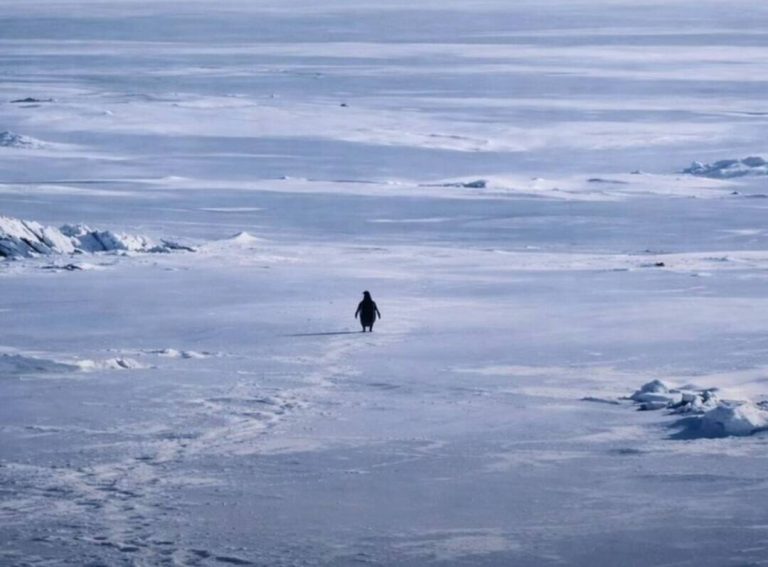
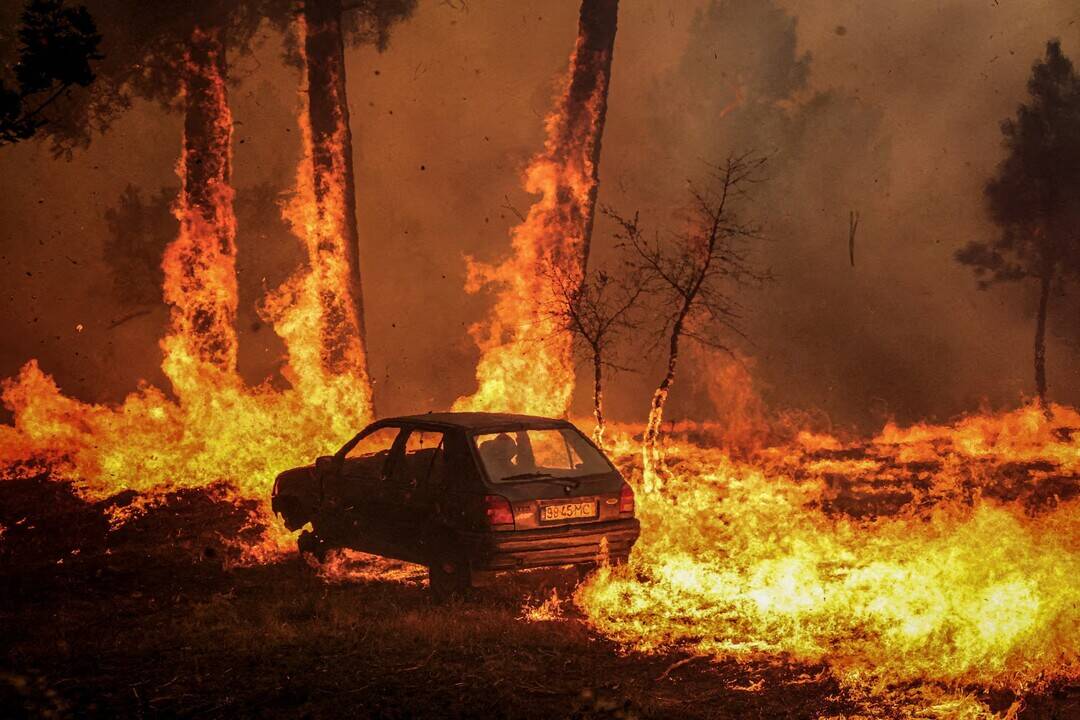
The consequences of this rapid warming are far-reaching and devastating. Rising temperatures are melting polar ice caps, raising sea levels, and altering ecosystems around the world. The impacts are being felt in every region, from more frequent and intense heatwaves to devastating droughts and storms. The World Health Organization (WHO) has warned that climate change is already having a significant impact on human health, with rising temperatures increasing the spread of diseases, heat stress, and other health problems.
The C3S report also highlights the role of human activities in driving climate change. The burning of fossil fuels, deforestation, and land-use changes are all contributing to the increasing levels of greenhouse gases in the atmosphere, which are trapping heat and driving up temperatures. The report notes that carbon dioxide levels in the atmosphere have increased by 40% since the pre-industrial period, with methane and nitrous oxide levels also rising significantly.
The good news is that there is still time to act. The Paris Agreement, signed by almost 200 countries in 2015, sets a goal of limiting global warming to well below 2 degrees Celsius above the pre-industrial period and pursuing efforts to limit it to 1.5 degrees Celsius. While the agreement is ambitious, it is still possible to meet the target if countries take immediate and drastic action to reduce their greenhouse gas emissions.
Governments, businesses, and individuals must all play a role in reducing emissions and mitigating the impacts of climate change. This can involve transitioning to renewable energy sources, increasing energy efficiency, and protecting natural carbon sinks like forests and wetlands. It also requires adapting to the changing climate, by building resilient infrastructure, supporting climate-resilient agriculture, and protecting human health.
As the world looks to the future, it is clear that 2025 will be a pivotal year in the fight against climate change. The science is clear, the stakes are high, and the need for action is urgent. As the C3S report highlights, the past three years have been the hottest on record, and the trend is only set to continue unless drastic action is taken. It is up to governments, businesses, and individuals to work together to reduce emissions, mitigate the impacts of climate change, and ensure a sustainable future for all.
In conclusion, the fact that 2025 is set to be the second or third-warmest year on record is a stark reminder of the urgent need for climate action. The science is clear, and the consequences of inaction are devastating. It is up to us to take immediate and drastic action to reduce emissions, mitigate the impacts of climate change, and ensure a sustainable future for all.
About the Author