2025 set to be the 2nd or 3rd-hottest year ever: Scientists
The world is bracing for another scorching year as scientists predict that 2025 will be the second or third-warmest year on record. This forecast comes from the European Union’s Copernicus Climate Change Service (C3S), which has been closely monitoring global temperatures. According to their analysis, this year is set to surpass all previous years, except for 2024, in terms of average global temperature.
The news is particularly alarming as it indicates an accelerating rate of climate change. For the first time, the average global temperature is likely to exceed 1.5 degrees Celsius above the 1850-1900 pre-industrial period for three consecutive years. This milestone marks a significant departure from the norm and underscores the urgent need for collective action to mitigate the effects of climate change.
The Copernicus Climate Change Service has been tracking global temperatures since 1981, using a combination of satellite and ground-based measurements. Their data shows a clear trend of rising temperatures over the past few decades, with the past ten years being the warmest on record. The service’s director, Dr. Carlo Buontempo, warned that the continued rise in global temperatures has severe implications for the environment, human health, and the economy.
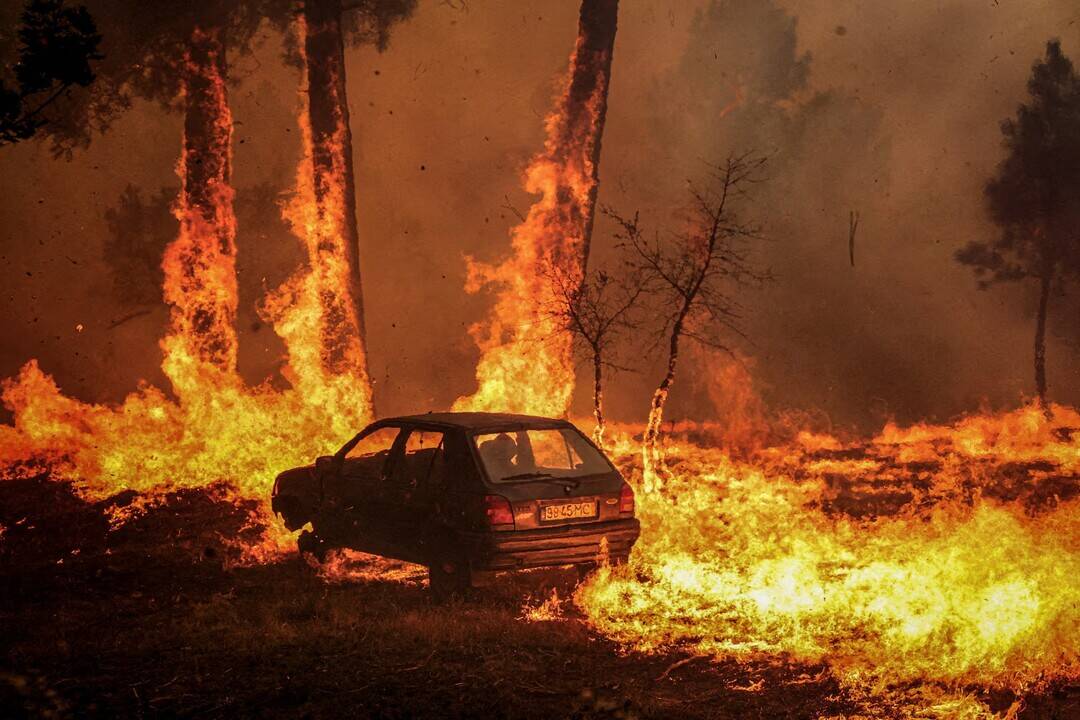
The consequences of climate change are far-reaching and devastating. Rising temperatures are melting polar ice caps, raising sea levels, and altering ecosystems. This, in turn, is leading to more frequent and intense natural disasters, such as hurricanes, wildfires, and droughts. The impact on human health is also significant, with heat-related illnesses, respiratory problems, and the spread of diseases becoming more common.
The economic consequences of climate change are equally alarming. Rising temperatures are affecting agriculture, leading to crop failures, reduced yields, and changed growing seasons. This can have a significant impact on food security, particularly in vulnerable communities. Climate change is also affecting infrastructure, with more frequent and severe weather events damaging buildings, roads, and other critical infrastructure.
The scientific community is clear about the causes of climate change. Human activities, such as burning fossil fuels, deforestation, and land-use changes, are releasing large amounts of greenhouse gases, such as carbon dioxide and methane, into the atmosphere. These gases trap heat and contribute to the warming of the planet.
The good news is that there are steps that can be taken to mitigate the effects of climate change. Transitioning to renewable energy sources, increasing energy efficiency, and protecting natural habitats can all help reduce greenhouse gas emissions. Governments, businesses, and individuals must work together to implement these solutions and reduce our collective carbon footprint.
The European Union’s Copernicus Climate Change Service is playing a critical role in monitoring climate change and providing data-driven insights to inform policy decisions. Their work is helping to raise awareness about the urgent need for action and providing a framework for countries to develop and implement effective climate change mitigation strategies.
As the world looks to the future, it is clear that 2025 will be a pivotal year in the fight against climate change. The prediction that it will be the second or third-warmest year on record is a stark reminder of the need for collective action. Governments, businesses, and individuals must work together to reduce greenhouse gas emissions, invest in renewable energy, and protect natural habitats. The future of our planet depends on it.
In conclusion, the forecast that 2025 will be the second or third-warmest year on record is a wake-up call for the world. The accelerating rate of climate change demands immediate attention and action. We must work together to reduce our carbon footprint, invest in renewable energy, and protect the environment. The consequences of inaction will be severe, but with collective effort, we can mitigate the effects of climate change and create a more sustainable future.
About the Author