2025 set to be the 2nd or 3rd-hottest year ever: Scientists
The world is bracing for another scorching year as scientists predict that 2025 will be the second or third-warmest year on record, following closely on the heels of 2024. This dire forecast comes from the European Union’s Copernicus Climate Change Service (C3S), which has been closely monitoring global temperatures. The news is a stark reminder of the accelerating rate of climate change, which shows no signs of slowing down.
According to the C3S, the average global temperature for 2025 is likely to exceed 1.5 degrees Celsius above the 1850-1900 pre-industrial period. This milestone is significant, as it would mark the first three-year period in which the average global temperature has surpassed this threshold. The implications of this are profound, as it suggests that the world is rapidly approaching the limits of what is considered “safe” in terms of climate change.
The C3S’s prediction is based on data from a network of weather stations, satellite imagery, and other sources. The organization’s scientists have been analyzing this data to identify trends and patterns in global temperatures. Their findings indicate that 2025 will be an exceptionally warm year, with temperatures likely to be higher than average in many parts of the world.
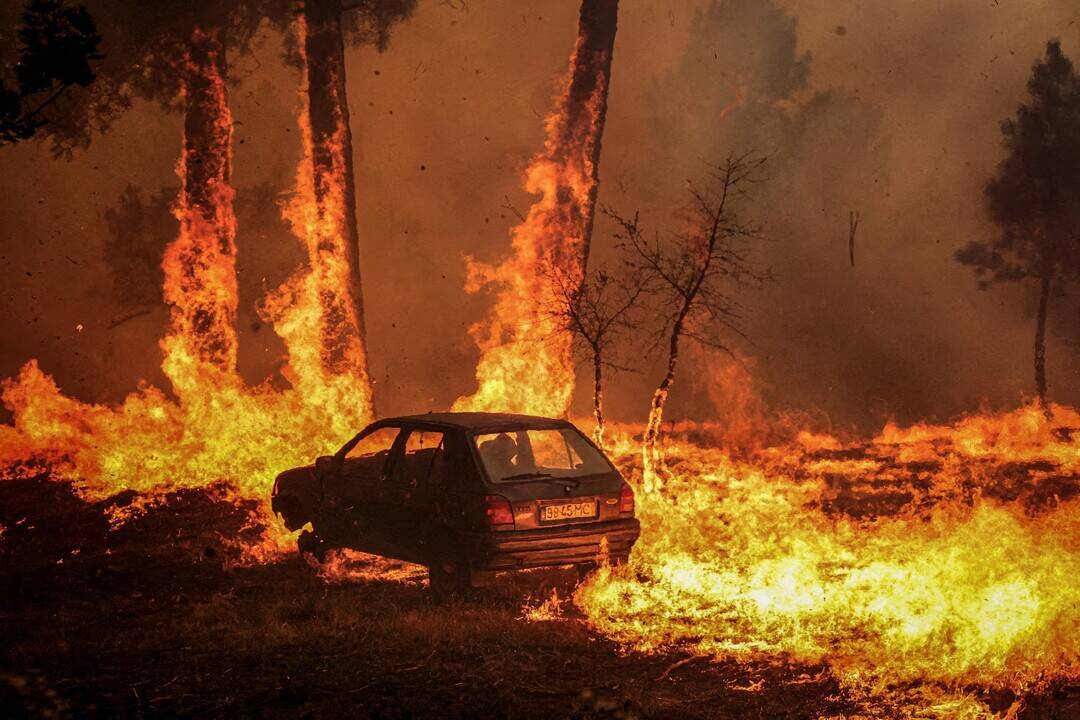
One of the key drivers of this warming trend is the increasing levels of greenhouse gases in the atmosphere. These gases, such as carbon dioxide and methane, trap heat from the sun and prevent it from being released back into space. As a result, the Earth’s temperature continues to rise, leading to more frequent and severe heatwaves, droughts, and other extreme weather events.
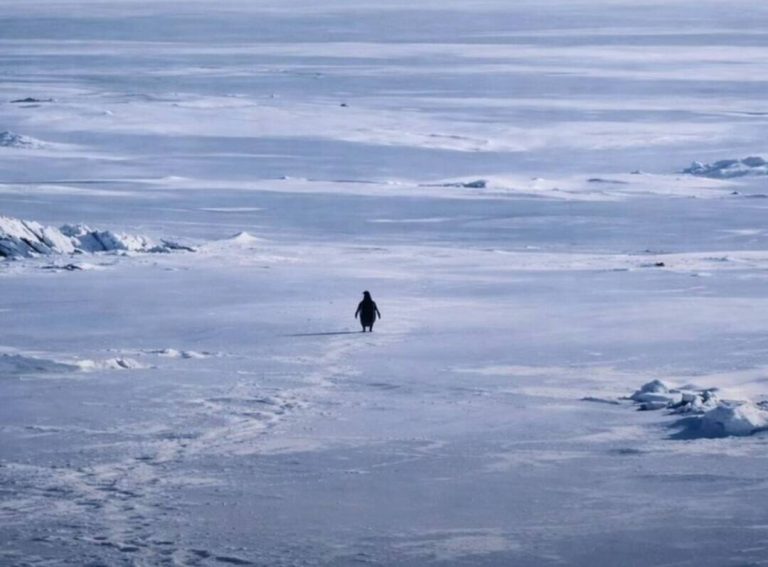
The consequences of this warming trend are far-reaching and devastating. Rising temperatures are melting polar ice caps, causing sea levels to rise and threatening coastal communities. They are also altering ecosystems, leading to the loss of biodiversity and disrupting the delicate balance of nature. The impact on human health is also significant, with heat-related illnesses and deaths on the increase.
The C3S’s prediction for 2025 is not just a warning; it is a call to action. The world must take immediate and drastic steps to reduce greenhouse gas emissions and slow the rate of climate change. This will require a concerted effort from governments, businesses, and individuals around the world.
One of the key strategies for reducing emissions is to transition to renewable energy sources, such as solar and wind power. These sources are clean, sustainable, and becoming increasingly cost-competitive with fossil fuels. Governments can also implement policies to promote energy efficiency, such as building codes and appliance standards.
Another critical approach is to protect and restore natural carbon sinks, such as forests and wetlands. These ecosystems play a vital role in absorbing and storing carbon dioxide, and their preservation is essential for mitigating climate change. Efforts to reforest and afforest areas, as well as to promote sustainable land-use practices, can help to sequester carbon and reduce emissions.
The European Union’s Copernicus Climate Change Service is playing a vital role in monitoring and analyzing global temperatures. The organization’s data and forecasts are essential for informing policy and decision-making, and for raising awareness about the urgent need for climate action.
In conclusion, the prediction that 2025 will be the second or third-warmest year on record is a stark reminder of the accelerating rate of climate change. The world must take immediate action to reduce greenhouse gas emissions and slow the rate of warming. This will require a concerted effort from governments, businesses, and individuals around the world. We must work together to transition to renewable energy sources, protect and restore natural carbon sinks, and promote sustainable land-use practices. The future of our planet depends on it.
The science is clear, and the warning signs are unmistakable. It is time for the world to come together and take bold action to address the climate crisis. We owe it to ourselves, our children, and future generations to act now and ensure a sustainable and livable future for all.
About the Author