2025 set to be the 2nd or 3rd-hottest year ever: Scientists
As the year 2025 draws to a close, scientists are warning that it is on track to become the second or third-warmest year on record, following closely behind 2024. This alarming trend is a stark reminder of the accelerating rate of climate change, with the average global temperature poised to exceed 1.5 degrees Celsius above the 1850-1900 pre-industrial period for the first time in a three-year period.
The European Union’s Copernicus Climate Change Service (C3S) has released a statement confirming that 2025 will likely be one of the hottest years ever recorded. This assessment is based on data collected from around the world, which shows a consistent and persistent rise in global temperatures. The C3S is a reputable and reliable source of climate data, and their findings are widely regarded as authoritative.
The news that 2025 will be the second or third-hottest year on record is a sobering reminder of the urgent need for action to address climate change. The past few years have seen a succession of record-breaking temperatures, with 2024 being the hottest year on record. This trend is not only alarming but also has severe implications for the health and well-being of our planet.
The average global temperature has been rising steadily over the past century, with the past four decades being the warmest on record. This rise in temperature is primarily driven by human activities, such as the burning of fossil fuels, deforestation, and land-use changes, which release large amounts of greenhouse gases into the atmosphere. These gases, including carbon dioxide, methane, and nitrous oxide, trap heat and contribute to the warming of the planet.
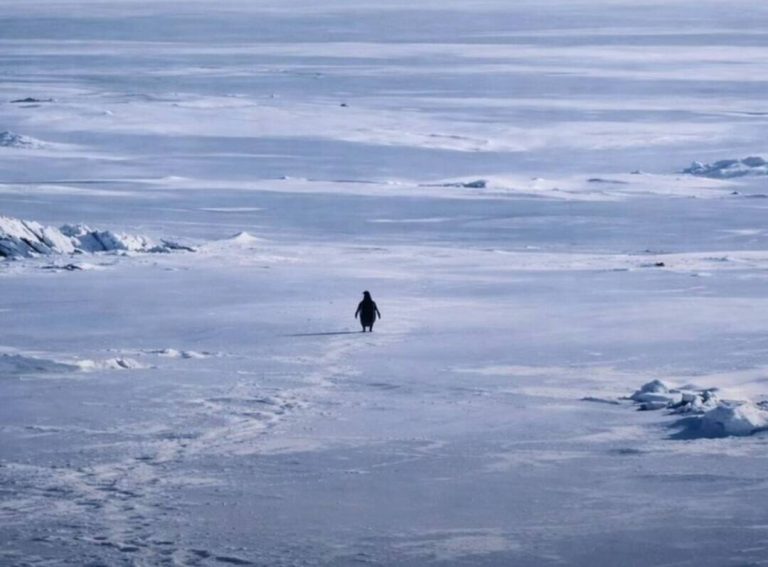
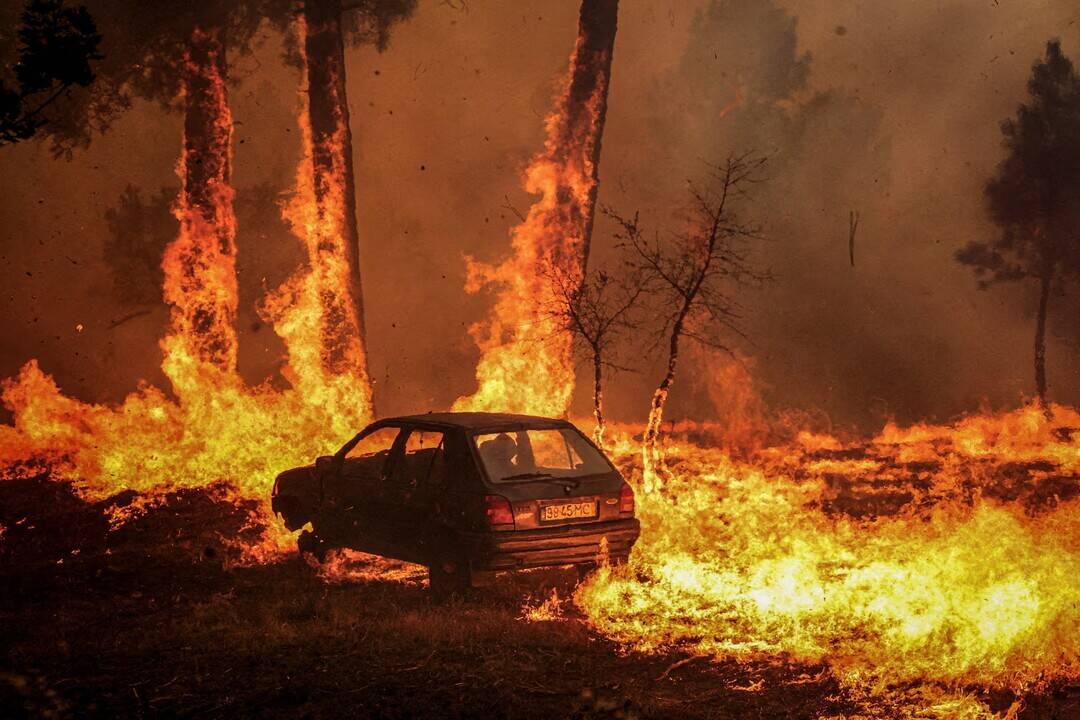
The consequences of climate change are far-reaching and devastating. Rising temperatures are causing melting of polar ice caps, sea-level rise, and altered weather patterns, leading to more frequent and severe heatwaves, droughts, and storms. Climate change is also having a significant impact on ecosystems, biodiversity, and human health, with increased risk of water scarcity, food insecurity, and the spread of diseases.
The fact that 2025 will likely be the second or third-hottest year on record, and that the average global temperature will exceed 1.5 degrees Celsius above the pre-industrial period for the first time in a three-year period, is a clear indication that climate change is accelerating. This is a critical threshold, as exceeding 1.5 degrees Celsius of warming is likely to have severe and irreversible consequences for the planet.
The good news is that there is still time to take action to mitigate the effects of climate change. The Paris Agreement, signed by almost 200 countries in 2015, sets a goal of limiting global warming to well below 2 degrees Celsius above the pre-industrial period and pursuing efforts to limit it to 1.5 degrees Celsius. To achieve this goal, countries must take immediate and drastic action to reduce greenhouse gas emissions, transition to renewable energy sources, and protect natural carbon sinks like forests and oceans.
Individuals can also play a crucial role in addressing climate change. Simple actions, such as reducing energy consumption, using public transport, eating a plant-based diet, and conserving water, can make a significant difference when combined with the efforts of others. Moreover, supporting organizations and governments that prioritize climate action and advocating for policies that promote sustainability can help to drive systemic change.
In conclusion, the news that 2025 will be the second or third-hottest year on record is a stark reminder of the urgent need for action to address climate change. The accelerating rate of climate change, with the average global temperature exceeding 1.5 degrees Celsius above the pre-industrial period for the first time in a three-year period, is a clear indication that we must take immediate and drastic action to reduce greenhouse gas emissions and transition to a sustainable and renewable energy-based economy. We owe it to ourselves, our children, and future generations to take action to protect the planet and ensure a livable and sustainable future.
About the Author