How does a stage-gate model cut product-launch failures?
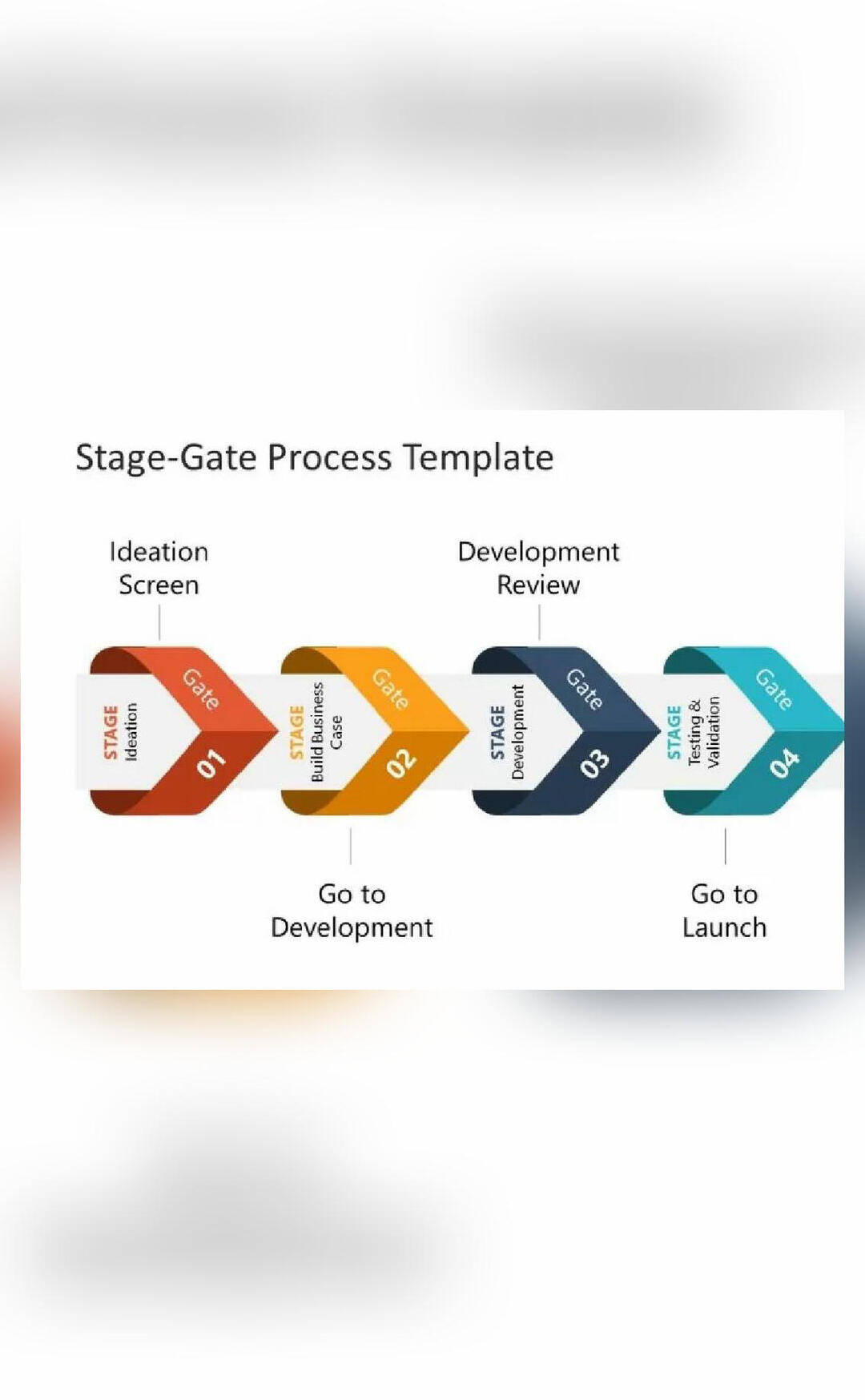
The stage-gate model is a widely used methodology in product development that helps organizations to systematically guide their projects from idea generation to launch. This structured approach divides the development process into distinct phases, each with a specific set of activities and a go/no-go review. The primary objective of the stage-gate model is to prevent teams from over-investing in weak ideas and to ensure that only validated concepts reach the market. By incorporating early market checks, risk analysis, and resource alignment, organizations can significantly reduce the risk of product-launch failures.
The stage-gate model typically consists of five to seven phases, including idea, scoping, feasibility, development, validation, and launch. Each phase has a specific set of deliverables and a review process that determines whether the project should proceed to the next phase or be terminated. This approach allows organizations to evaluate their projects at each stage and make informed decisions about whether to continue investing in them.
One of the primary benefits of the stage-gate model is that it forces teams to conduct early market checks and validate their ideas with potential customers. This helps to ensure that the product or service being developed meets the needs and expectations of the target market. By conducting market research and gathering feedback from customers, organizations can identify potential flaws in their product or service and make necessary adjustments before investing too much time and resources.
Another significant advantage of the stage-gate model is that it enables organizations to conduct thorough risk analysis and assessment. By evaluating the potential risks and challenges associated with a project, teams can develop strategies to mitigate them and minimize their impact. This helps to reduce the likelihood of product-launch failures and ensures that organizations are better prepared to handle any unexpected challenges that may arise.
The stage-gate model also helps organizations to align their resources and ensure that they are allocated efficiently. By evaluating the resource requirements for each phase of the project, teams can identify potential bottlenecks and develop strategies to address them. This helps to prevent delays and ensure that projects are completed on time and within budget.
In addition to these benefits, the stage-gate model also helps organizations to de-risk their launches and speed up execution. By conducting thorough market checks and risk analysis, teams can identify potential issues and develop strategies to address them before they become major problems. This helps to reduce the stress and uncertainty associated with product launches and ensures that organizations are better prepared to handle any challenges that may arise.
To implement the stage-gate model effectively, organizations should establish clear criteria for each phase and ensure that all stakeholders are aligned and committed to the process. This includes defining the specific deliverables and review processes for each phase, as well as establishing clear decision-making criteria for the go/no-go reviews. Organizations should also ensure that they have the necessary resources and expertise to support each phase of the project and that they are able to conduct thorough market checks and risk analysis.
In conclusion, the stage-gate model is a powerful tool for reducing product-launch failures and ensuring that only validated concepts reach the market. By dividing the development process into structured phases, each with a go/no-go review, organizations can prevent over-investment in weak ideas and force early market checks, risk analysis, and resource alignment. By incorporating the stage-gate model into their product development process, organizations can de-risk their launches, speed up execution, and ensure that their products meet the needs and expectations of their target market.
To learn more about how the stage-gate model can help your organization reduce product-launch failures, visit https://www.growthjockey.com/blogs/stage-gate-model.
Source: https://www.growthjockey.com/blogs/stage-gate-model
About the Author