2025 set to be the 2nd or 3rd-hottest year ever: Scientists
The world is bracing for another scorching year as scientists warn that 2025 is set to be the second or third-warmest year on record, following closely behind 2024. This alarming prediction comes from the European Union’s Copernicus Climate Change Service (C3S), which has been tracking global temperatures and climate trends. According to their data, this year will not only be exceptionally warm but will also mark a significant milestone in the history of climate change.
The C3S report indicates that the average global temperature for 2025 is likely to exceed 1.5 degrees Celsius above the pre-industrial period of 1850-1900. This threshold is crucial, as it represents a significant increase in global temperatures, with far-reaching consequences for the environment, ecosystems, and human societies. The fact that 2025 is expected to be the third year in a row with temperatures above this threshold is a stark reminder of the accelerating rate of climate change.
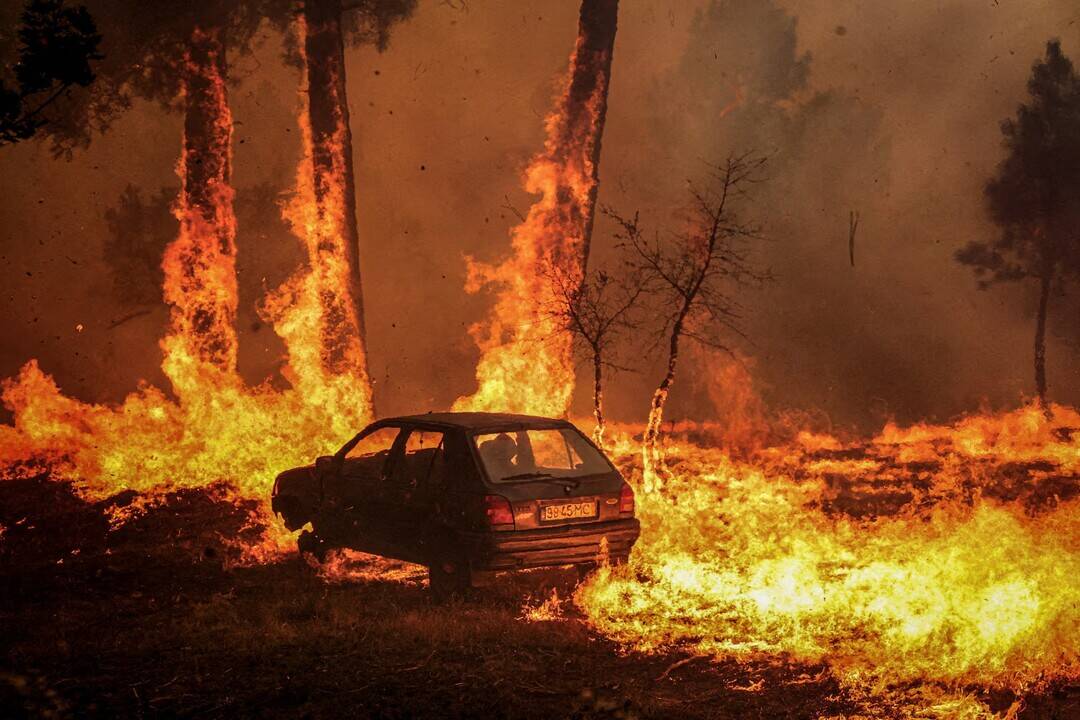
The news that 2025 will be the second or third-warmest year on record is particularly concerning, given the devastating impact of extreme weather events in recent years. From intense hurricanes and wildfires to severe droughts and heatwaves, the effects of climate change are being felt across the globe. Rising temperatures are melting polar ice caps, raising sea levels, and altering ecosystems, leading to loss of biodiversity and disruption of food chains.
The Copernicus Climate Change Service (C3S) is a leading authority on climate data and analysis, providing critical information to policymakers, scientists, and the general public. Their report is based on meticulous research and analysis of global temperature data, which is continuously monitored and updated. The C3S uses a combination of satellite and ground-based observations, as well as advanced computer models, to predict future climate trends and patterns.
The expected warm temperatures in 2025 are attributed to a combination of natural and human-induced factors. The El Niño-Southern Oscillation (ENSO), a natural climate cycle, is one of the primary drivers of global temperature variability. However, human activities, such as the burning of fossil fuels, deforestation, and land-use changes, are releasing massive amounts of greenhouse gases into the atmosphere, exacerbating the warming trend.
The consequences of a warming planet are far-reaching and multifaceted. Rising temperatures are altering the distribution and prevalence of diseases, heat stress, and other health problems. Climate change is also having a significant impact on food security, as changing weather patterns and increased frequency of extreme events affect agricultural productivity and food availability. Moreover, the economic costs of climate change are substantial, with estimated losses running into trillions of dollars.
The fact that 2025 will likely be the second or third-warmest year on record serves as a wake-up call for governments, businesses, and individuals to take immediate action to reduce greenhouse gas emissions and mitigate the effects of climate change. The Paris Agreement, signed in 2015, sets a target of limiting global warming to well below 2 degrees Celsius above pre-industrial levels and pursuing efforts to limit it to 1.5 degrees Celsius. However, current country commitments under the agreement are insufficient to meet these targets, and more ambitious action is needed to avoid the most catastrophic consequences of climate change.
In conclusion, the prediction that 2025 will be the second or third-warmest year on record is a stark reminder of the urgent need for climate action. The science is clear: human activities are driving climate change, and the consequences are already being felt. It is imperative that we take immediate and sustained action to reduce greenhouse gas emissions, transition to renewable energy sources, and protect natural ecosystems. The window for action is rapidly closing, and the future of our planet depends on our ability to respond to this crisis with courage, urgency, and collective action.
About the Author