No link between air pollution & deaths: Govt
The Indian government has made a startling statement regarding the relationship between air pollution and deaths in the country. Minister of State for Health, Prataprao Jadhav, told the Rajya Sabha on Tuesday that there was no conclusive data in India to establish a direct link between deaths exclusively with air pollution. This statement has sparked a heated debate among environmentalists, health experts, and the general public, with many questioning the government’s stance on the issue.
According to Jadhav, “The health effects of air pollution are a synergistic manifestation of factors, which include food habits, occupational habits, socioeconomic status, medical history, immunity, heredity, etc.” This implies that the government believes that air pollution is just one of the many factors that contribute to health problems, and that it is not the sole cause of deaths in the country. While this statement may be technically correct, it has been criticized for downplaying the role of air pollution in causing health problems.
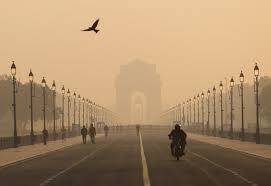
Air pollution is a major environmental risk factor for health, and it is estimated that it causes millions of premature deaths worldwide every year. In India, the problem is particularly acute, with many cities experiencing severe air pollution due to a combination of factors such as rapid urbanization, industrialization, and the increasing use of fossil fuels. The air quality in many Indian cities is often worse than the standards set by the World Health Organization (WHO), and it is not uncommon for people to suffer from respiratory problems, cardiovascular disease, and other health issues due to exposure to poor air quality.
Despite the lack of conclusive data, there is a growing body of evidence that suggests a link between air pollution and health problems. Studies have shown that exposure to poor air quality can cause a range of health problems, from mild respiratory issues to life-threatening conditions such as heart disease and lung cancer. In fact, the WHO has estimated that air pollution is responsible for around 7 million premature deaths worldwide every year, with the majority of these deaths occurring in low- and middle-income countries such as India.
So, why is the Indian government downplaying the link between air pollution and deaths? One possible reason is that the government is trying to avoid taking responsibility for the problem. By stating that there is no conclusive data to establish a direct link between air pollution and deaths, the government may be trying to shift the focus away from its own role in addressing the issue. This could be due to a lack of political will to take action, or a fear of the economic costs of implementing measures to reduce air pollution.
Another possible reason is that the government is trying to avoid alarming the public. Air pollution is a complex issue, and it can be difficult to communicate the risks to the public in a way that is clear and concise. By downplaying the link between air pollution and deaths, the government may be trying to avoid causing unnecessary panic or alarm. However, this approach can be counterproductive, as it may lead to complacency and a lack of action to address the problem.
The government’s statement has been criticized by environmentalists and health experts, who argue that it is based on a flawed understanding of the issue. They point out that the lack of conclusive data does not mean that there is no link between air pollution and deaths, and that the government should be taking action to reduce air pollution regardless of the exact nature of the relationship. They also argue that the government’s statement is a classic example of the “precautionary principle,” which states that when there is a risk of harm to human health or the environment, precautionary measures should be taken even if the science is not yet definitive.
In conclusion, the Indian government’s statement that there is no link between air pollution and deaths is a concerning development. While it is true that the relationship between air pollution and health problems is complex, and that there are many factors that contribute to health issues, it is clear that air pollution is a major environmental risk factor for health. The government’s statement should not be taken as a reason to ignore the problem, but rather as a call to action to address the issue and reduce air pollution in the country.
As the government continues to grapple with the issue of air pollution, it is essential that it takes a comprehensive and proactive approach to addressing the problem. This includes implementing measures to reduce emissions from vehicles and industries, increasing the use of clean energy sources, and improving public transportation. It also requires a commitment to monitoring and reporting air quality, as well as educating the public about the risks of air pollution and the steps they can take to reduce their exposure.
Ultimately, the link between air pollution and deaths is a complex one, and it requires a nuanced and multifaceted approach to address. The government’s statement should not be taken as a reason to ignore the problem, but rather as a call to action to protect public health and the environment.
News Source: https://x.com/PTI_News/status/1998360503333355572
About the Author