Why most space telescope images could be blurry in next decade?
The advent of space telescopes has revolutionized our understanding of the universe, allowing us to capture stunning images of distant galaxies, stars, and planets. However, a recent NASA-linked study has raised concerns that the next decade may see a significant decline in the quality of these images. The culprit? Satellite reflections. According to the study, the increasing number of satellites in Earth’s orbit could contaminate many space-telescope images, rendering them blurry and unusable.
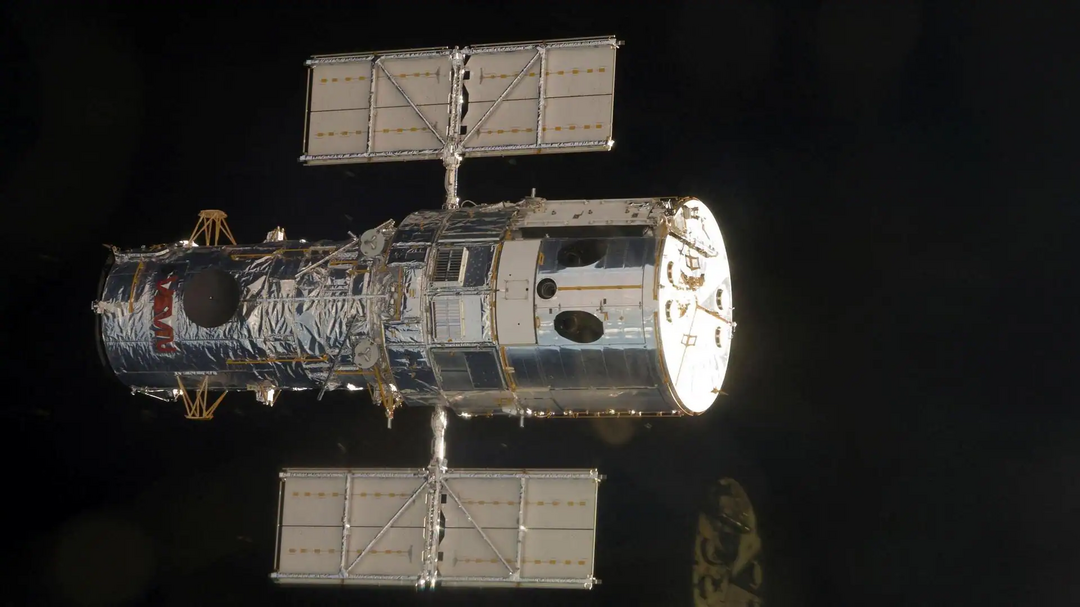
The problem lies in the fact that satellites in low Earth orbit reflect sunlight, which can then be captured by space telescopes. This can cause streaks or trails to appear in images, effectively ruining them. The study warns that some telescopes may see more than 96% of exposures affected if planned megaconstellations launch, while telescopes like Hubble would face about 40%. This is a staggering number, considering the importance of space telescopes in advancing our knowledge of the universe.
The impact of satellite reflections on space-telescope images is not just a matter of aesthetics; it can have significant scientific implications. Astronomical events, such as supernovae or gamma-ray bursts, could be lost when satellite trails cross critical observations. These events are often rare and fleeting, and the presence of satellite reflections could make it impossible to capture usable data. Furthermore, the contamination of images can also affect the accuracy of scientific research, leading to flawed conclusions and a lack of progress in our understanding of the universe.
So, what’s causing this problem? The main culprit is the increasing number of satellites in low Earth orbit. Companies like SpaceX, Amazon, and OneWeb are launching thousands of satellites into orbit to provide global internet coverage. While this may be convenient for consumers, it’s a nightmare for astronomers. The sheer number of satellites in orbit means that there’s a higher chance of reflections contaminating space-telescope images.
The study suggests that the problem will only worsen in the coming decade. With more satellites being launched, the number of reflections will increase, making it even more difficult to capture high-quality images. This is a concern not just for space telescopes, but also for ground-based telescopes. The reflections can be so bright that they can saturate detectors, making it impossible to capture usable data.
The good news is that researchers are working on solutions to mitigate the problem. One possible approach is to use algorithms to remove satellite trails from images. This can be done by analyzing the reflections and subtracting them from the image. However, this approach is not foolproof and can be computationally intensive.
Another approach is to coordinate with satellite companies to minimize the impact of reflections. This can involve scheduling satellite passes to avoid critical observations or using specialized hardware to reduce reflections. However, this requires cooperation and coordination between astronomers, satellite companies, and regulatory agencies.
The study highlights the need for a more sustainable and responsible approach to satellite launches. With the increasing number of satellites in orbit, it’s essential to consider the impact on astronomical research. This can involve implementing regulations to minimize reflections, such as requiring satellite companies to use anti-reflective coatings or to launch satellites into higher orbits.
In conclusion, the next decade may see a significant decline in the quality of space-telescope images due to satellite reflections. While this is a concern for astronomers, it’s not a lost cause. By working together and implementing solutions, we can mitigate the problem and ensure that space telescopes continue to capture stunning and scientifically valuable images. The universe is full of mysteries waiting to be uncovered, and it’s up to us to ensure that we can continue to explore and understand it.
News Source: https://www.newsbytesapp.com/news/science/satellite-reflections-could-ruin-over-95-of-space-telescope-images/story
About the Author