Why most space telescope images could be blurry in next decade?
The vast expanse of space has always been a subject of human curiosity and fascination. With the help of space telescopes, we have been able to explore and understand the universe in greater detail. However, a recent study linked to NASA has raised concerns that the images captured by these telescopes may be compromised in the coming decade. The culprit behind this potential problem is not a technical glitch or a lack of funding, but rather the increasing number of satellites in Earth’s orbit.
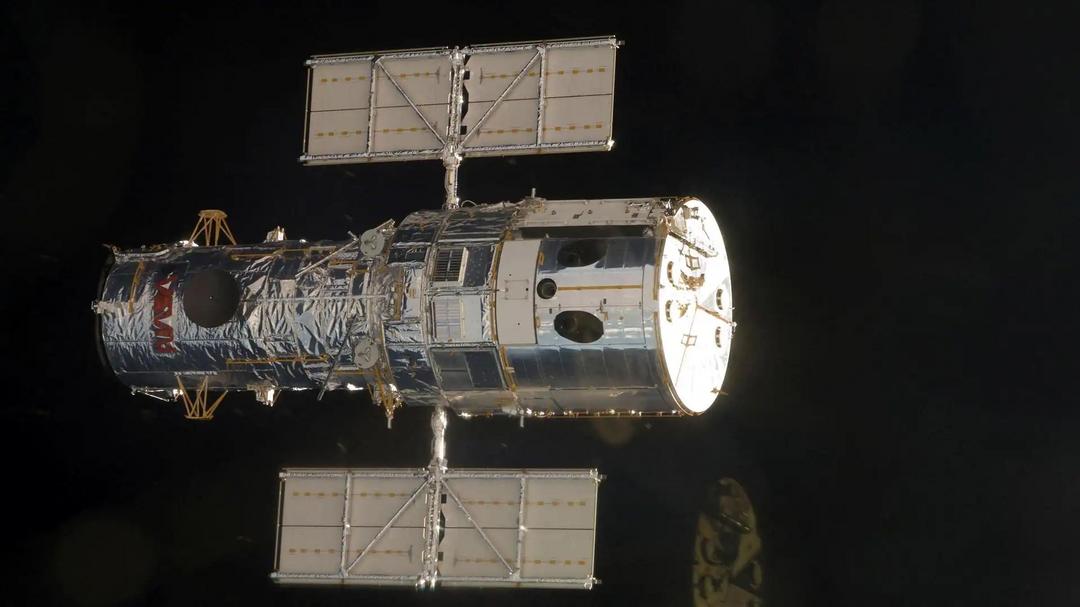
The study warns that the reflections from these satellites could contaminate many space-telescope images, rendering them blurry and unusable. This is a worrying trend, as some telescopes may see more than 96% of their exposures affected if the planned megaconstellations are launched. Even the iconic Hubble Space Telescope, which has been instrumental in our understanding of the universe, may face a significant impact, with around 40% of its exposures being affected.
The problem arises from the fact that satellites in low Earth orbit can reflect sunlight, which can then be captured by space telescopes. This reflection can cause streaks or trails in the images, making it difficult to obtain accurate data. The issue is exacerbated by the fact that many of these satellites are part of megaconstellations, which are large groups of satellites launched by private companies to provide global internet coverage.
The launch of these megaconstellations has been a topic of debate among astronomers and space enthusiasts. While they have the potential to revolutionize global communication, they also pose a significant threat to our ability to study the universe. The sheer number of satellites in these constellations means that they will be visible from Earth, and their reflections will be captured by space telescopes.
The impact of satellite reflections on space-telescope images will be felt across the board. Astronomers use these images to study a wide range of phenomena, from the formation of galaxies to the detection of exoplanets. If these images are compromised, it could lead to a significant delay in our understanding of the universe. Moreover, the loss of critical observations could have far-reaching consequences, as astronomers may miss out on rare astronomical events.
For example, the detection of gravitational waves by the Laser Interferometer Gravitational-Wave Observatory (LIGO) is a groundbreaking discovery that has opened up new avenues for research. However, if satellite reflections were to contaminate the images captured by LIGO, it could lead to a delay in our understanding of these phenomena. Similarly, the study of supernovae, which are exploding stars, could be compromised if satellite trails cross critical observations.
The study highlights the need for urgent action to mitigate the impact of satellite reflections on space-telescope images. One possible solution is to implement regulations that govern the launch of satellites, ensuring that they do not interfere with astronomical observations. Another solution is to develop new technologies that can filter out satellite reflections, allowing astronomers to obtain accurate data.
In conclusion, the potential for satellite reflections to contaminate space-telescope images is a worrying trend that could have far-reaching consequences. The launch of megaconstellations poses a significant threat to our ability to study the universe, and it is essential that we take urgent action to mitigate this impact. By working together, we can ensure that the images captured by space telescopes remain accurate and reliable, allowing us to continue exploring the vast expanse of space.
As we look to the future, it is essential that we prioritize the protection of our ability to study the universe. The discovery of new astronomical phenomena and the advancement of our understanding of the cosmos depend on our ability to capture accurate and reliable data. By addressing the issue of satellite reflections, we can ensure that space telescopes continue to play a vital role in our exploration of the universe.
The study’s findings are a stark reminder of the need for responsible and sustainable development of space technology. As we push the boundaries of what is possible, we must also ensure that we do not compromise our ability to study the universe. By working together, we can ensure that the benefits of space technology are realized while minimizing its impact on astronomical observations.
In the coming decade, the impact of satellite reflections on space-telescope images will be felt across the board. However, by taking urgent action and implementing regulations and new technologies, we can mitigate this impact and ensure that our understanding of the universe continues to advance. The study’s findings are a call to action, and it is essential that we respond to this challenge to protect our ability to explore the vast expanse of space.
News Source: https://www.newsbytesapp.com/news/science/satellite-reflections-could-ruin-over-95-of-space-telescope-images/story
About the Author