Why most space telescope images could be blurry in next decade?
The next decade is expected to be an exciting time for space exploration, with numerous missions and telescopes scheduled to launch. However, a recent NASA-linked study has raised concerns that satellite reflections could contaminate many space-telescope images, potentially ruining our chances of capturing high-quality astronomical data. In this blog post, we will delve into the details of the study and explore the potential implications for space telescopes and astronomical research.
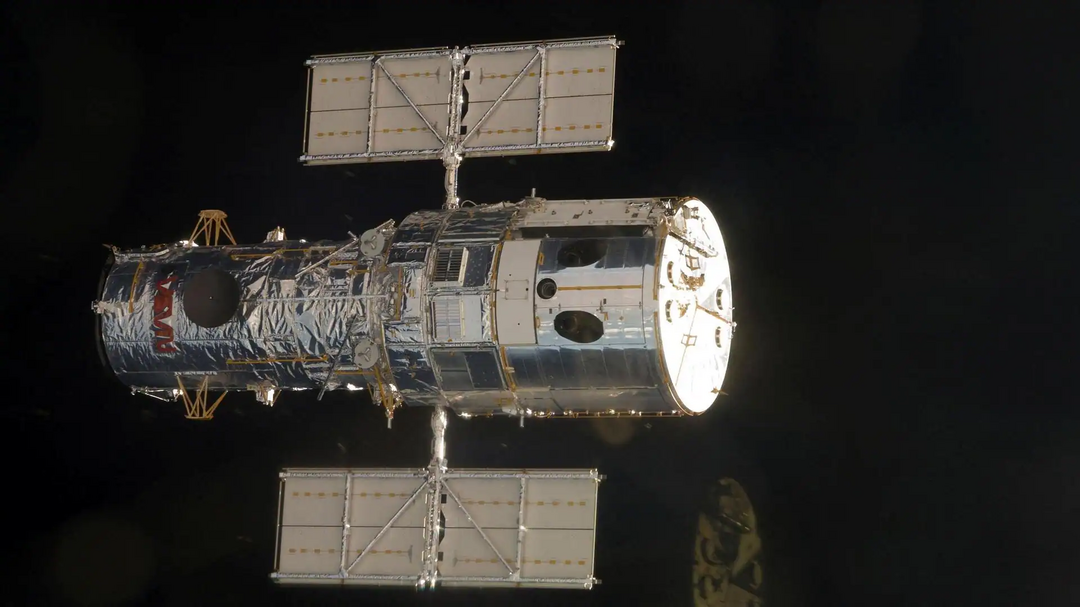
The study, which was conducted by a team of researchers, warns that the increasing number of satellites in Earth’s orbit could lead to a significant increase in satellite reflections, which could, in turn, contaminate space-telescope images. The researchers used computer simulations to model the effects of satellite reflections on space-telescope images and found that some telescopes may see more than 96% of exposures affected if planned megaconstellations launch. Even telescopes like the Hubble Space Telescope, which is one of the most iconic and successful space telescopes, would face about 40% of exposures affected.
The main culprit behind this problem is the planned launch of megaconstellations, which are large groups of satellites that will be launched into Earth’s orbit to provide global internet coverage. While these satellites will bring many benefits, including increased internet access and faster communication, they will also pose a significant threat to astronomical research. The satellites will be equipped with large solar panels and antennas, which will reflect sunlight and contaminate space-telescope images.
The researchers caution that astronomical events could be lost when satellite trails cross critical observations. For example, if a satellite trail passes through the image of a distant galaxy, it could obscure the galaxy’s light and make it impossible to study. This could be particularly problematic for time-sensitive observations, such as supernovae or gamma-ray bursts, which require quick and accurate data collection.
The impact of satellite reflections on space-telescope images will not be limited to optical telescopes. Radio telescopes, which use radio waves to study the universe, will also be affected. The satellites will emit radio signals, which will interfere with the radio signals that telescopes are trying to detect. This could lead to a significant decrease in the sensitivity of radio telescopes and make it harder to detect faint signals from distant objects.
The study’s findings have significant implications for the future of astronomical research. If the planned megaconstellations launch, it could lead to a significant decrease in the quality of space-telescope images, making it harder for researchers to study the universe. This could, in turn, slow down the pace of scientific progress and limit our understanding of the universe.
To mitigate the effects of satellite reflections, the researchers recommend that satellite operators and astronomers work together to develop strategies for minimizing the impact of satellites on space-telescope images. This could include launching satellites into orbits that minimize their visibility to telescopes, using materials that reduce reflectivity, or developing algorithms that can remove satellite trails from images.
In conclusion, the next decade could be a challenging time for space telescopes, with satellite reflections potentially contaminating many images. While the study’s findings are concerning, they also highlight the need for satellite operators and astronomers to work together to develop strategies for minimizing the impact of satellites on space-telescope images. By working together, we can ensure that the quality of space-telescope images is not compromised and that we can continue to study the universe with the highest level of precision and accuracy.
News Source: https://www.newsbytesapp.com/news/science/satellite-reflections-could-ruin-over-95-of-space-telescope-images/story
About the Author