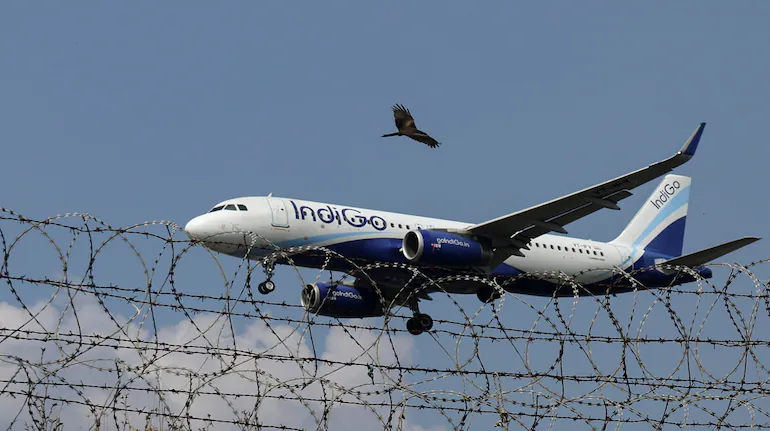
Pilots were shouted at, humiliated: Employee in letter on toxic culture at IndiGo
The recent chaos at airports across India has brought to light a plethora of issues plaguing the aviation industry. Amidst the mayhem, a shocking revelation has emerged from within the ranks of one of India’s largest airlines, IndiGo. An anonymous letter, purportedly written by an IndiGo employee, has blown the lid off the toxic culture that pervades the organization. The letter, which has sent shockwaves through the industry, claims that pilots who raised concerns about fatigue and unsafe duty timings were subjected to humiliation, intimidation, and verbal abuse.
The letter, which is a scathing indictment of the airline’s management, particularly targets CEO Pieter Elbers. The author of the letter, who chooses to remain anonymous, paints a picture of an organization that has become arrogant and complacent, prioritizing profits over the well-being of its employees and the safety of its passengers. “We started small in 2006…But somewhere along the way, pride turned into arrogance…The attitude became: We are too big to fail,” the letter reads.
The letter highlights the plight of pilots who have been struggling with fatigue and unsafe duty timings. Despite their concerns, they were allegedly shouted at, humiliated, and intimidated by their superiors. This toxic culture has created a sense of fear among employees, who are reluctant to speak out against the management for fear of reprisal. The letter also alleges that the airline’s management has been ignoring the concerns of its pilots, prioritizing on-time performance and profit margins over safety and employee well-being.
The allegations made in the letter are disturbing, to say the least. The fact that pilots, who are responsible for the safety of thousands of passengers, are being subjected to such treatment is a cause for concern. The letter raises questions about the safety culture within the organization and the priorities of its management. It is shocking that an airline, which is responsible for the lives of its passengers, can display such callous disregard for the well-being of its employees.
The letter also highlights the consequences of this toxic culture on the airline’s operations. The author claims that the airline’s management has been ignoring the concerns of its pilots, which has led to a breakdown in communication and a lack of trust between the management and the employees. This has resulted in a series of mishaps and incidents, including flight delays, cancellations, and safety breaches.
The allegations made in the letter are not isolated incidents. There have been several reports of similar incidents in the past, which suggests that the problem is more deep-seated than initially thought. The letter is a wake-up call for the airline’s management, which needs to take immediate action to address the concerns of its employees and restore the trust of its passengers.
The letter also raises questions about the role of the regulatory bodies, which are responsible for overseeing the safety and operations of airlines in India. The fact that such a toxic culture has been allowed to thrive within an airline, without any intervention from the regulatory bodies, is a cause for concern. The regulatory bodies need to take a more proactive role in monitoring the safety and operations of airlines and take swift action against any airline that compromises the safety of its passengers.
In conclusion, the anonymous letter from an IndiGo employee is a shocking revelation that highlights the toxic culture within the organization. The allegations made in the letter are disturbing and raise serious concerns about the safety and well-being of the airline’s employees and passengers. The airline’s management needs to take immediate action to address the concerns of its employees and restore the trust of its passengers. The regulatory bodies also need to take a more proactive role in monitoring the safety and operations of airlines and take swift action against any airline that compromises the safety of its passengers.
About the Author