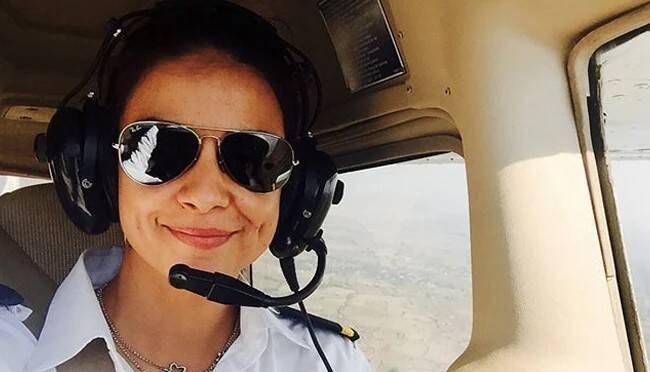
Real issue of safety & fatigue pushed to back burner: Actor-pilot Gul on IndiGo crisis
The recent chaos surrounding IndiGo’s cancellation of hundreds of flights has sparked a heated debate about the airline’s ability to comply with new Flight Duty Time Limits (FDTL) rules. Amidst the chaos, actress and certified pilot Gul Panag has weighed in on the issue, highlighting the real concern that has been pushed to the back burner: safety and fatigue. In a thought-provoking statement, Panag pointed out that the narrative has shifted from the crucial issue of safety and fatigue to the chaos caused by the flight cancellations.
The FDTL rules, designed to protect the lives of passengers and crew members, dictate the maximum number of hours a pilot can fly without rest. The updated norms aim to prevent pilot fatigue, which can have devastating consequences. However, IndiGo’s inability to comply with these rules has led to a massive disruption in their flight operations, leaving thousands of passengers stranded. While the focus has been on the chaos and inconvenience caused by the cancellations, Panag argues that the real issue at hand is being overlooked.
“Interesting how the narrative has been moved from safety and fatigue to chaos…The real issue, updated FDTL norms designed to protect lives, has been pushed to back burner,” she wrote. This statement highlights the importance of prioritizing safety and fatigue over the inconvenience caused by flight cancellations. As a certified pilot, Panag understands the risks associated with pilot fatigue and the importance of adhering to FDTL rules.
Pilot fatigue is a serious concern in the aviation industry, and it can have catastrophic consequences. Fatigue can impair a pilot’s judgment, reaction time, and decision-making abilities, increasing the risk of accidents. The FDTL rules are designed to prevent pilots from flying when they are tired, ensuring that they are well-rested and alert during flights. By pushing the issue of safety and fatigue to the back burner, we are putting the lives of passengers and crew members at risk.
The IndiGo crisis has sparked a wider debate about the aviation industry’s approach to safety and fatigue. While the airline has been criticized for its inability to comply with FDTL rules, the issue is not unique to IndiGo. The entire industry needs to take a closer look at its approach to safety and fatigue, ensuring that the lives of passengers and crew members are protected.
As a certified pilot, Panag has a unique perspective on the issue. She understands the challenges faced by pilots and the importance of prioritizing safety and fatigue. Her statement highlights the need for a more nuanced discussion about the issue, one that prioritizes safety and fatigue over convenience and profit.
The IndiGo crisis is a wake-up call for the aviation industry, highlighting the need for a more robust approach to safety and fatigue. While the chaos caused by the flight cancellations is undeniable, it is essential to keep the focus on the real issue at hand: safety and fatigue. By prioritizing these concerns, we can ensure that the lives of passengers and crew members are protected, and the aviation industry can continue to thrive.
In conclusion, the real issue of safety and fatigue has been pushed to the back burner amid the IndiGo crisis. As Gul Panag pointed out, the narrative has shifted from the crucial issue of safety and fatigue to the chaos caused by the flight cancellations. It is essential to prioritize safety and fatigue, ensuring that the lives of passengers and crew members are protected. The aviation industry needs to take a closer look at its approach to safety and fatigue, ensuring that the FDTL rules are complied with, and pilots are well-rested and alert during flights.
About the Author