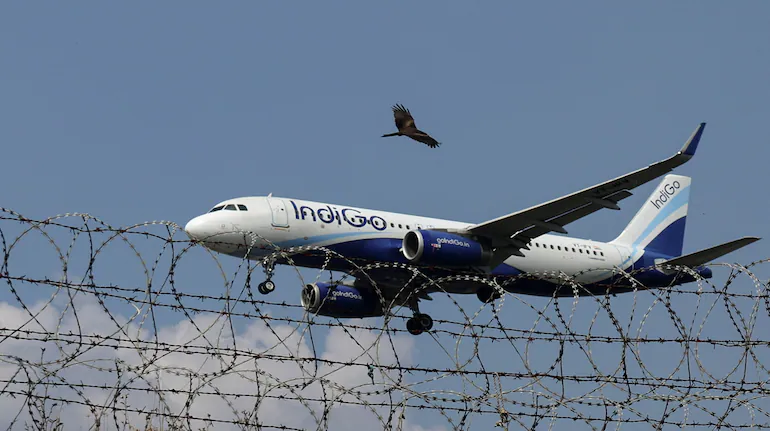
Pilots were shouted at, humiliated: Employee in letter on toxic culture at IndiGo
The recent chaos at airports across India has brought to light a plethora of issues plaguing the aviation industry. Amidst the mayhem, a shocking revelation has emerged from within the ranks of one of India’s largest airlines, IndiGo. An anonymous letter purportedly written by an IndiGo employee has surfaced, exposing a toxic culture that has been brewing within the organization. The letter claims that when pilots raised concerns about fatigue and unsafe duty timings, they were met with hostility, intimidation, and humiliation.
The letter begins by tracing the airline’s journey from its humble beginnings in 2006 to its current status as one of the largest players in the Indian aviation market. However, the writer laments that as the airline grew, its values and culture took a turn for the worse. “We started small in 2006…But somewhere along the way, pride turned into arrogance…The attitude became: We are too big to fail,” the letter reads. This sense of invincibility, the writer argues, has led to a culture of disregard for employee well-being and safety.
At the heart of the issue is the plight of IndiGo’s pilots, who have been vocal about their concerns regarding fatigue and duty timings. The letter alleges that when pilots brought these concerns to the attention of their superiors, they were shouted at, intimidated, and humiliated. This toxic behavior, the writer claims, has created a culture of fear, where employees are reluctant to speak up about safety concerns or report incidents that could compromise the well-being of passengers.
The letter also takes aim at the airline’s CEO, Pieter Elbers, accusing him of being out of touch with the realities on the ground. The writer argues that Elbers’ leadership style has perpetuated a culture of fear and intimidation, where employees are discouraged from speaking truth to power. This, the writer claims, has led to a breakdown in communication and a lack of accountability within the organization.
The allegations made in the letter are disturbing, to say the least. If true, they suggest a systemic failure within IndiGo to prioritize employee well-being and safety. The fact that pilots, who are responsible for the safe operation of aircraft, feel intimidated and humiliated when raising legitimate concerns is a cause for concern. It raises questions about the airline’s commitment to safety and its willingness to listen to employee concerns.
The letter also highlights the consequences of a toxic culture on employee morale and well-being. When employees feel undervalued, disrespected, and intimidated, they are more likely to experience burnout, stress, and anxiety. This, in turn, can compromise their ability to perform their duties safely and effectively. In an industry where safety is paramount, this is a recipe for disaster.
So, what can be done to address the issues raised in the letter? Firstly, IndiGo needs to take the allegations seriously and launch a thorough investigation into the claims made. This should include speaking to employees, reviewing safety protocols, and assessing the overall culture within the organization. The airline must also take concrete steps to address the concerns raised by pilots and other employees, including reviewing duty timings and ensuring that safety protocols are in place to prevent fatigue.
Furthermore, the airline needs to foster a culture of openness and transparency, where employees feel empowered to speak up without fear of retribution. This requires a fundamental shift in leadership style, with a focus on empathy, active listening, and accountability. The CEO, Pieter Elbers, must take responsibility for the culture within the organization and work to create an environment where employees feel valued, respected, and heard.
In conclusion, the anonymous letter from an IndiGo employee has shed light on a toxic culture that has been festering within the organization. The allegations made are disturbing and highlight a systemic failure to prioritize employee well-being and safety. It is imperative that IndiGo takes the allegations seriously and takes concrete steps to address the concerns raised. The airline must work to create a culture of openness, transparency, and accountability, where employees feel empowered to speak up without fear of retribution. Only then can the airline hope to restore the trust of its employees, passengers, and the wider public.
About the Author