Deep sea mining reduces ocean life by 37%: Study
The world’s oceans are facing a multitude of threats, from climate change and pollution to overfishing and habitat destruction. Now, a new study has revealed that deep-sea mining, a relatively new and rapidly expanding industry, is having a devastating impact on ocean life. According to the research, deep-sea mining is reducing the population of ocean animals by a staggering 37% and species diversity by 32% in disturbed areas.
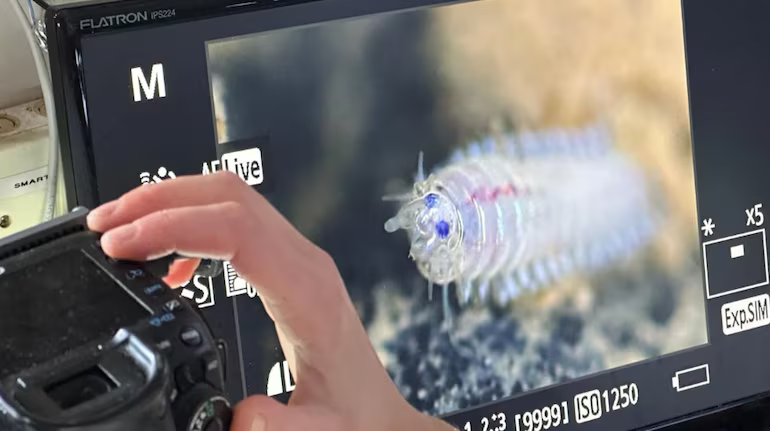
The study, which was conducted by a team of scientists, found that mining machines used in deep-sea mining operations scrape away the top five centimeters of fragile seabed sediment, where most macrofauna live. This process not only destroys the habitats of these animals but also causes significant harm to the delicate ecosystem of the deep sea. The researchers warn that the effects of deep-sea mining on ocean life could be long-lasting and potentially irreversible.
Deep-sea mining involves the extraction of minerals such as copper, zinc, and gold from the ocean floor. The process typically involves the use of large machines that vacuum up the sediment and rocks from the seafloor, which are then processed to extract the desired minerals. However, this process also stirs up massive amounts of sediment, which can cloud the water and block out sunlight, making it difficult for plants and animals to survive.
The study found that the areas where deep-sea mining was taking place had significantly lower numbers of animals and species compared to undisturbed areas. The researchers also found that the pollution from mining operations may gradually kill less resilient species, leading to a decline in biodiversity. This is particularly concerning, as the deep sea is one of the most diverse ecosystems on the planet, with many species still unknown to science.
The impact of deep-sea mining on ocean life is not limited to the immediate area where the mining is taking place. The sediment and pollutants stirred up by the mining operations can travel long distances, affecting other ecosystems and potentially harming animals that live in these areas. This can have a ripple effect throughout the entire ecosystem, leading to a decline in the overall health of the ocean.
The study’s findings are a wake-up call for the deep-sea mining industry, which is expected to grow significantly in the coming years. The International Seabed Authority, which regulates deep-sea mining, has issued licenses for mining operations in several areas around the world. However, the authority has also come under criticism for not doing enough to protect the environment and ensure that mining operations are sustainable.
The researchers are calling for more stringent regulations and stricter environmental standards for deep-sea mining operations. They argue that the industry must take steps to minimize its impact on the environment and ensure that mining operations are sustainable and do not harm the delicate ecosystem of the deep sea.
The study’s findings are also a reminder of the importance of preserving the world’s oceans and the ecosystems that depend on them. The oceans provide a range of ecosystem services, including food, livelihoods, and climate regulation, and are essential for human well-being. However, the oceans are facing numerous threats, from pollution and overfishing to climate change and habitat destruction.
To address these challenges, governments, industries, and individuals must work together to protect the oceans and the ecosystems that depend on them. This can involve implementing policies and regulations to reduce pollution and overfishing, protecting marine habitats, and promoting sustainable fishing and mining practices.
In conclusion, the study’s findings are a stark reminder of the impact of human activities on the ocean’s ecosystem. Deep-sea mining is a relatively new industry, but it is already having a significant impact on ocean life. It is essential that we take steps to minimize the harm caused by this industry and ensure that mining operations are sustainable and do not harm the delicate ecosystem of the deep sea.
About the Author