Deep sea mining reduces ocean life by 37%: Study
The world’s oceans are facing a multitude of threats, from climate change to pollution, and now, a new study has revealed that deep-sea mining is having a devastating impact on ocean life. According to the research, deep-sea mining is reducing the population of ocean animals by a staggering 37% and species diversity by 32% in disturbed areas. The findings are a stark warning about the dangers of deep-sea mining and the need for urgent action to protect the world’s oceans.
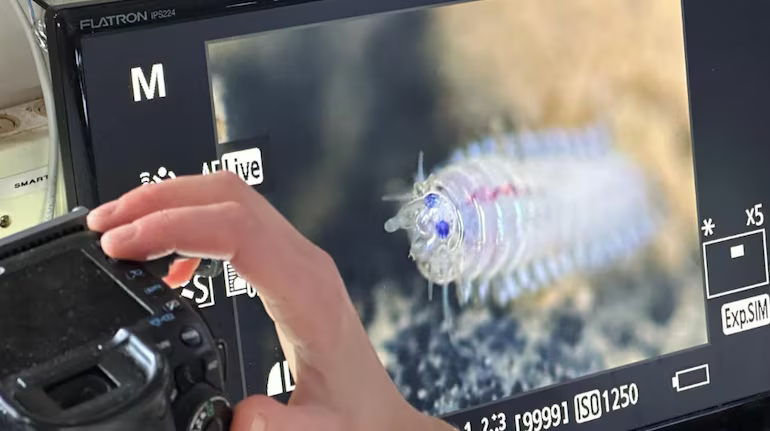
Deep-sea mining involves the use of large machines that scrape away the top five centimeters of fragile seabed sediment, where most macrofauna live. This process not only destroys the habitats of these animals but also releases toxic chemicals and heavy metals into the water, causing widespread pollution. The study found that the pollution from mining operations can gradually kill less resilient species, leading to a decline in biodiversity and ecosystem health.
The impact of deep-sea mining on ocean life is not limited to the immediate area surrounding the mining site. The pollution and destruction caused by mining can have far-reaching consequences, affecting entire ecosystems and the delicate balance of the ocean’s food chain. The study’s findings are a wake-up call for governments, corporations, and individuals to take action to protect the world’s oceans and the incredible array of life that they support.
The deep sea is one of the most remote and inhospitable environments on Earth, and yet it is home to an incredible array of life. From giant squid to deep-sea fish, the ocean floor is teeming with creatures that are found nowhere else on the planet. However, these ecosystems are fragile and vulnerable to disruption, and the impact of deep-sea mining is having a devastating effect on the very fabric of ocean life.
The study’s findings are based on research conducted in the Pacific Ocean, where deep-sea mining is becoming increasingly prevalent. The researchers used a combination of observational and experimental methods to assess the impact of mining on ocean life, including surveys of animal populations and analysis of sediment samples. The results were stark, with significant declines in animal numbers and species diversity observed in areas where mining had taken place.
The implications of the study’s findings are far-reaching and have significant implications for the future of ocean conservation. The researchers are calling for a moratorium on deep-sea mining until the full extent of its impact on ocean life is understood and measures can be put in place to mitigate its effects. This includes the development of stricter regulations and guidelines for mining operations, as well as the establishment of protected areas where mining is prohibited.
In addition to the environmental impacts, deep-sea mining also raises significant social and economic concerns. The mining industry is worth billions of dollars, and the extraction of minerals and metals from the ocean floor is seen as a lucrative opportunity for corporations and governments. However, the costs of deep-sea mining far outweigh any potential benefits, and the long-term consequences of this activity will be felt for generations to come.
The study’s findings are a timely reminder of the need for urgent action to protect the world’s oceans. The ocean plays a critical role in regulating the Earth’s climate, providing half of the oxygen we breathe, and supporting a vast array of marine life. However, the ocean is facing unprecedented threats, from climate change to pollution, and the impact of human activities is having a devastating effect on its health.
In conclusion, the study’s findings are a stark warning about the dangers of deep-sea mining and the need for urgent action to protect the world’s oceans. The impact of deep-sea mining on ocean life is significant, with declines in animal numbers and species diversity observed in areas where mining has taken place. The pollution and destruction caused by mining can have far-reaching consequences, affecting entire ecosystems and the delicate balance of the ocean’s food chain. It is imperative that governments, corporations, and individuals take action to protect the world’s oceans and the incredible array of life that they support.
About the Author