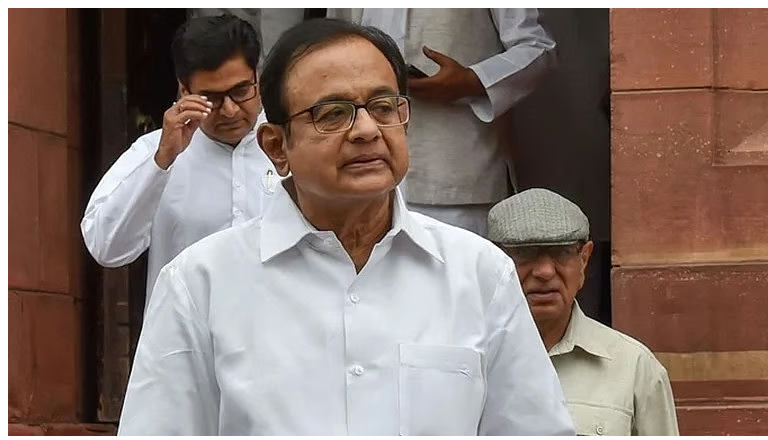
Chidambaram blames duopoly model amid IndiGo flight crisis
The recent IndiGo flight crisis has sent shockwaves across the country, with thousands of passengers affected by the cancellation and disruption of flights. The crisis has sparked a heated debate about the state of the airline industry in India, with many questioning the role of the government and the regulatory bodies in ensuring fair competition and protecting consumer interests. Amidst this chaos, Congress leader P Chidambaram has weighed in on the issue, backing his party colleague Rahul Gandhi’s comment that the “monopoly/duopoly model is ill-suited for a developing country” like India.
Chidambaram’s comments come at a time when the government has ordered a probe into the IndiGo flight crisis, with the Ministry of Civil Aviation announcing relief steps to mitigate the sufferings of the affected passengers. However, the Congress leader believes that the root cause of the problem lies in the duopoly model that exists in the airline industry, where a few players dominate the market, stifling competition and innovation.
“Liberalisation and Open Economy are based on competition. Absent competition, there will be baneful consequences as we’re witnessing now in the airline industry,” Chidambaram said, echoing Rahul Gandhi’s sentiments. He argued that the duopoly model exists not just in the airline industry but in many other sectors as well, where a few big players have cornered the market, leaving little room for smaller players to operate.
The duopoly model, Chidambaram contended, is inherently flawed, as it leads to a lack of competition, which is essential for driving innovation, improving services, and reducing prices. In the absence of competition, the dominant players in the market tend to become complacent, focusing more on maximizing their profits rather than improving their services or reducing their prices. This, in turn, hurts the consumers, who are left with limited choices and are forced to pay higher prices for subpar services.
The airline industry in India is a classic example of this duopoly model in action. With just a few players dominating the market, the industry has become characterized by high fares, poor services, and a lack of innovation. The recent IndiGo flight crisis is a stark reminder of the consequences of this duopoly model, where the failure of one player can have a ripple effect throughout the entire industry, causing widespread disruptions and hardships to passengers.
Chidambaram’s comments have sparked a debate about the need for greater competition in the airline industry, with many experts arguing that the government needs to take steps to promote competition and prevent the dominance of a few players. This could involve measures such as reducing entry barriers for new players, promoting public-private partnerships, and strengthening regulatory bodies to ensure that the industry operates in a fair and transparent manner.
The government, for its part, has announced a probe into the IndiGo flight crisis, with the Ministry of Civil Aviation ordering an investigation into the causes of the disruptions and the steps taken by the airline to mitigate the sufferings of the affected passengers. The government has also announced relief steps, including the provision of alternative flights and compensation to passengers who have been affected by the crisis.
While these steps are welcome, they do not address the underlying issues that have led to the crisis in the first place. The duopoly model that exists in the airline industry is a structural problem that requires a more nuanced and comprehensive solution. The government needs to take a closer look at the industry and come up with policies that promote competition, innovation, and consumer protection.
In conclusion, the IndiGo flight crisis is a wake-up call for the government and the regulatory bodies to take a closer look at the airline industry and the duopoly model that exists in it. Chidambaram’s comments are a timely reminder of the need for greater competition and innovation in the industry, and the government would do well to heed his warnings. By promoting competition and preventing the dominance of a few players, the government can create a more vibrant and dynamic airline industry that benefits consumers and promotes economic growth.
About the Author