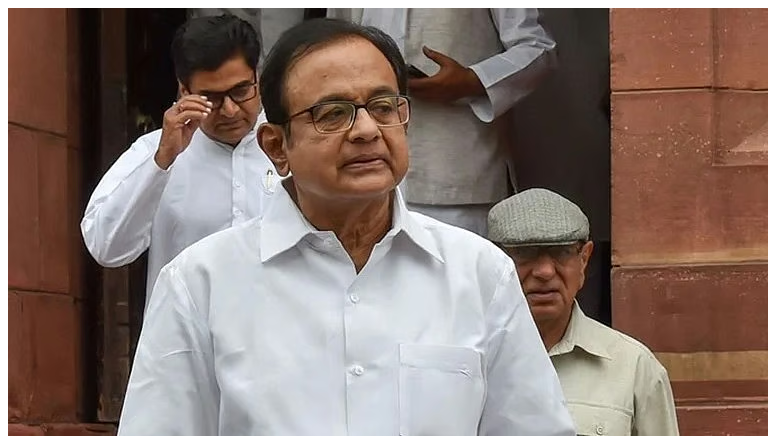
Chidambaram blames duopoly model amid IndiGo flight crisis
The recent IndiGo flight crisis has sent shockwaves across the country, with thousands of passengers affected by the cancellation and disruption of flights. The situation has sparked a heated debate about the state of the airline industry in India, with many questioning the underlying factors that led to this crisis. Amidst this chaos, Congress leader P Chidambaram has come out in support of his party colleague Rahul Gandhi’s comment that the “monopoly/duopoly model is ill-suited for a developing country” like India.
Chidambaram’s statement is significant, as it highlights the inherent flaws in the current market structure of the airline industry. According to him, the duopoly model, where two players dominate the market, is a major contributor to the crisis faced by IndiGo. He argued that the absence of competition in the market has led to a lack of accountability and a sense of complacency among the dominant players, resulting in the current crisis.
The concept of duopoly is not new to the Indian economy. In many sectors, including the airline industry, duopoly has become a pervasive phenomenon. This is where two players, often with significant market share, dominate the market, leaving little room for competition. While this may lead to short-term benefits, such as increased efficiency and lower prices, it can also have baneful consequences in the long run.
Chidambaram’s comments are particularly relevant in the context of the airline industry, where IndiGo and another airline have been accused of operating in a duopoly. The lack of competition in the market has led to a situation where these two players can dictate prices and services, often to the detriment of the consumer. The recent crisis faced by IndiGo is a stark reminder of the dangers of duopoly, where the absence of competition can lead to a lack of innovation and a lack of accountability.
The Congress leader also emphasized the importance of liberalization and open economy, which are based on the principles of competition. He argued that in the absence of competition, the benefits of liberalization and open economy are lost, and the consequences can be severe. This is particularly relevant in the context of the airline industry, where the lack of competition has led to a situation where the dominant players can operate with impunity, without fear of being held accountable for their actions.
The government has already taken steps to address the crisis, with the Ministry of Civil Aviation ordering a probe into the matter and announcing relief steps for affected passengers. However, the underlying issues that led to this crisis need to be addressed, and Chidambaram’s comments highlight the need for a more competitive market structure.
In a developing country like India, where the economy is still growing and the market is still evolving, the need for competition is even more critical. The duopoly model, which is prevalent in many sectors, can stifle innovation and limit consumer choice, ultimately harming the economy. It is essential to create an environment that fosters competition, where multiple players can operate and innovate, leading to better services and lower prices for consumers.
The IndiGo flight crisis is a wake-up call for the government and the regulator to take a closer look at the market structure of the airline industry. The need for competition is critical, and the government must take steps to ensure that the market is open and competitive, with multiple players operating and innovating. This can be achieved by promoting new entrants, reducing barriers to entry, and ensuring that the dominant players do not abuse their market power.
In conclusion, the IndiGo flight crisis has highlighted the dangers of duopoly in the airline industry. Chidambaram’s comments are a timely reminder of the need for competition in the market, and the government must take steps to address the underlying issues that led to this crisis. By promoting competition and fostering innovation, the government can create a more vibrant and dynamic market, where consumers have access to better services and lower prices.
About the Author