India changed since Raj Kapoor’s era but friendship remains: Putin
The world has witnessed significant changes over the years, with nations rising and falling, economies booming and busting, and cultural trends emerging and disappearing. However, amidst all these changes, some things remain constant, and one such constant is the friendship between India and Russia. Recently, Russian President Vladimir Putin, during his visit to India, invoked the legacy of the legendary Indian filmmaker Raj Kapoor to emphasize the enduring friendship between the two nations.
Raj Kapoor, often referred to as the “Showman” of Indian cinema, was a filmmaker, actor, and director who left an indelible mark on the Indian film industry. His films, such as ‘Awaara’ (1951), ‘Shree 420’ (1955), and ‘Mera Naam Joker’ (1970), were not only hugely popular in India but also gained a massive following in the USSR (now Russia). In fact, Raj Kapoor’s films were so popular in the USSR that he became a household name, and his movies were widely screened and admired by the Soviet audience.
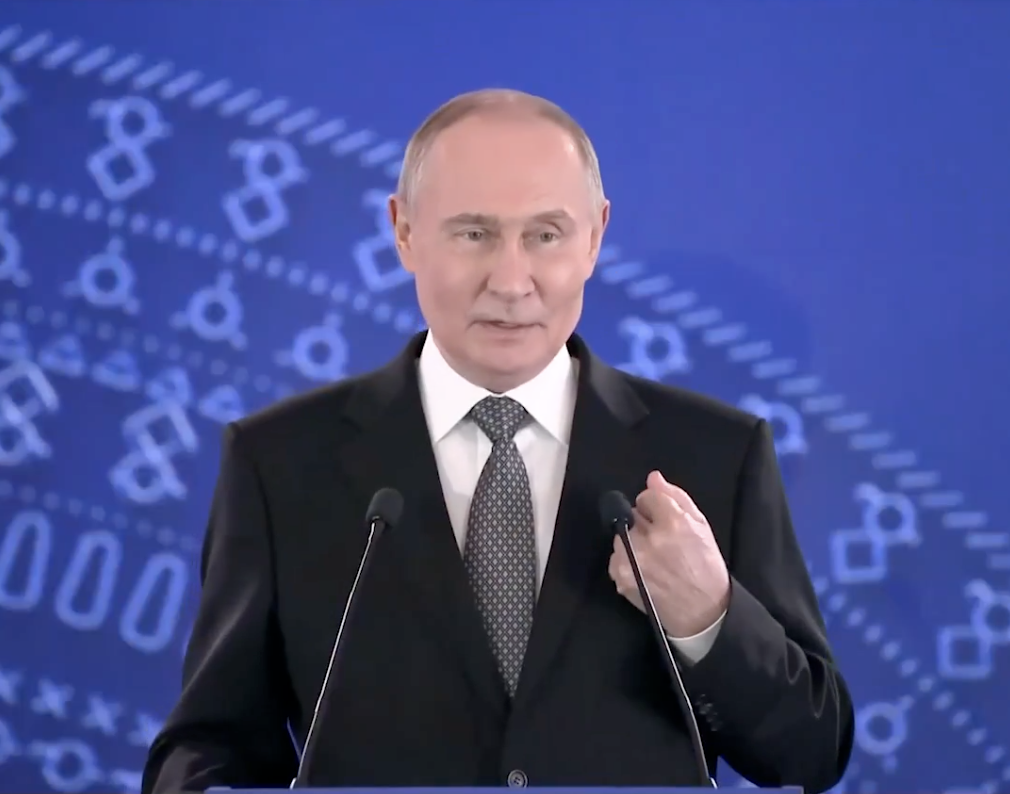
Putin, during his visit to India, acknowledged the significant impact of Raj Kapoor’s films on the Soviet audience and highlighted the strong cultural ties between the two nations. “India’s economy has changed dramatically since Raj Kapoor’s era, but one thing has remained constant: friendship and shared commitment to cooperation,” Putin said. This statement underscores the fact that despite the many changes that India has undergone since Raj Kapoor’s time, the foundation of the India-Russia friendship remains strong.
Raj Kapoor’s films were not only entertaining but also carried a social message that resonated with the Soviet audience. His movies often dealt with themes of social inequality, poverty, and the struggles of the common man, which were relevant to the Soviet ideology. The Soviet audience identified with these themes, and Raj Kapoor’s films became a bridge between the two cultures. The popularity of Raj Kapoor’s films in the USSR was a testament to the power of art and culture to transcend borders and forge connections between nations.
The India-Russia friendship has a long history, dating back to the Soviet era. The two nations have cooperated in various fields, including trade, defense, space exploration, and culture. The Soviet Union was one of the first countries to recognize India’s independence in 1947, and since then, the two nations have enjoyed a strong and strategic partnership. The friendship between India and Russia has been built on the foundation of mutual respect, trust, and cooperation, and it has withstood the test of time.
Today, India and Russia continue to cooperate in various areas, including energy, defense, and space exploration. The two nations have signed several agreements and memoranda of understanding (MoUs) to strengthen their partnership in these areas. For example, India and Russia have collaborated on several high-profile projects, including the BrahMos missile program and the Kudankulam nuclear power plant. These projects demonstrate the strong strategic partnership between the two nations and their commitment to cooperation.
In addition to cooperation in strategic areas, India and Russia have also strengthened their cultural ties. The two nations have exchanged cultural delegations, and Indian artists and performers have been invited to perform in Russia. Similarly, Russian artists and performers have been invited to perform in India. These cultural exchanges have helped to promote people-to-people diplomacy and have strengthened the bond between the two nations.
In conclusion, the friendship between India and Russia is a testament to the power of diplomacy and cooperation. Despite the many changes that India has undergone since Raj Kapoor’s era, the foundation of the India-Russia friendship remains strong. As Putin said, “India’s economy has changed dramatically since Raj Kapoor’s era, but one thing has remained constant: friendship and shared commitment to cooperation.” This statement underscores the fact that the India-Russia friendship is built on a strong foundation of mutual respect, trust, and cooperation, and it will continue to endure in the years to come.
The visit of Putin to India and his invocation of Raj Kapoor’s legacy highlights the significance of cultural diplomacy in strengthening the bond between nations. It also underscores the importance of people-to-people diplomacy in promoting friendship and cooperation between nations. As the world becomes increasingly interconnected, it is essential to recognize the value of cultural diplomacy and people-to-people diplomacy in building strong and lasting relationships between nations.
In the words of Raj Kapoor, “The show must go on,” and the show of India-Russia friendship will indeed continue to go on, with the two nations cooperating in various areas and promoting cultural exchanges. The legacy of Raj Kapoor will continue to inspire future generations, and his films will remain a testament to the power of art and culture to transcend borders and forge connections between nations.
News Source: https://x.com/DDNewslive/status/1997262500354744821
About the Author