Chidambaram Blames Duopoly Model Amid IndiGo Flight Crisis
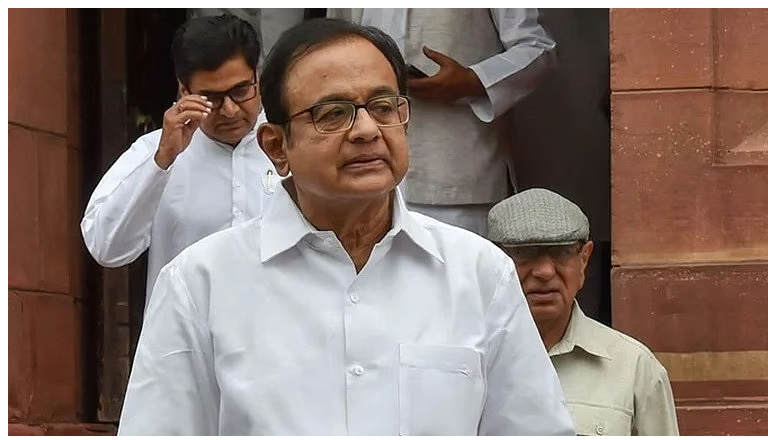
The recent IndiGo flight crisis has sent shockwaves throughout the country, with thousands of passengers affected by the sudden cancellation of flights. The crisis has sparked a heated debate about the state of the airline industry in India, with many questioning the viability of the current business model. Amidst this chaos, Congress leader P Chidambaram has weighed in on the issue, backing Rahul Gandhi’s comment that the “monopoly/duopoly model is ill-suited for a developing country.” Chidambaram’s statement has significant implications for the airline industry and the broader economy, highlighting the need for increased competition and a more level playing field.
According to Chidambaram, the duopoly model exists in many sectors, including the airline industry, where a few large players dominate the market, stifling competition and innovation. This concentration of power can lead to a lack of accountability, poor customer service, and higher prices. The IndiGo flight crisis is a stark example of the consequences of this model, where a single airline’s problems can have far-reaching effects on the entire industry.
Chidambaram’s comments are particularly relevant in the context of India’s economic liberalization and open economy policies. The idea behind these policies is to promote competition, encourage innovation, and provide consumers with greater choice. However, as Chidambaram notes, “Liberalisation and Open Economy are based on competition. Absent competition, there will be baneful consequences as we’re witnessing now in the airline industry.” The lack of competition in the airline industry has led to a situation where a few large players can dictate prices, routes, and services, leaving consumers with limited options.
The duopoly model in the airline industry is particularly problematic because it can lead to a lack of investment in infrastructure, technology, and human resources. With limited competition, airlines may not feel the need to innovate or improve their services, leading to a decline in overall quality. This can have serious consequences for consumers, who may be forced to pay higher prices for subpar services.
The government has responded to the IndiGo flight crisis by ordering a probe and announcing relief steps. While these measures may provide temporary relief to affected passengers, they do not address the underlying structural issues in the airline industry. To promote competition and innovation, the government needs to take a more comprehensive approach, including encouraging new entrants, investing in infrastructure, and implementing policies that promote transparency and accountability.
Chidambaram’s comments are also significant because they highlight the need for a more nuanced approach to economic policy. The idea that a duopoly model can be beneficial for a developing country is flawed, as it can lead to a lack of competition, innovation, and investment. Instead, policymakers should focus on creating an environment that promotes competition, encourages innovation, and provides consumers with greater choice.
In conclusion, the IndiGo flight crisis has highlighted the need for a rethink of the airline industry’s business model. The duopoly model, which exists in many sectors, including the airline industry, is ill-suited for a developing country like India. Congress leader P Chidambaram’s comments, backing Rahul Gandhi’s statement, emphasize the need for increased competition, innovation, and investment in the industry. To promote a more level playing field, the government needs to take a comprehensive approach, including encouraging new entrants, investing in infrastructure, and implementing policies that promote transparency and accountability. Only then can we create an airline industry that is truly competitive, innovative, and consumer-friendly.
About the Author