Chidambaram blames duopoly model amid IndiGo flight crisis
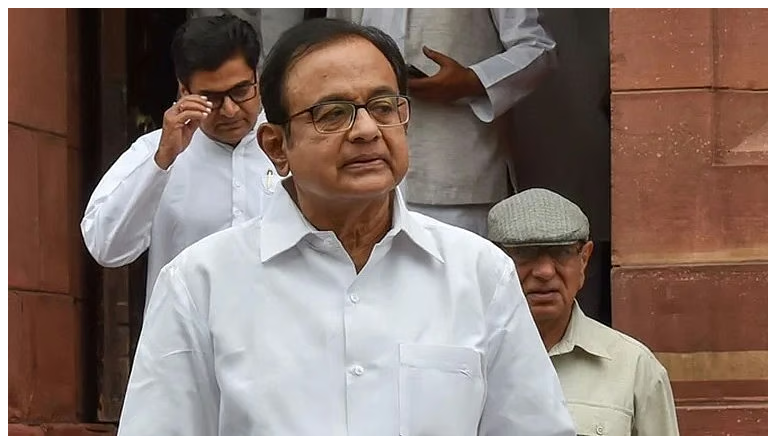
The recent IndiGo flight crisis has sparked a heated debate about the state of the airline industry in India. With thousands of passengers affected by the cancellations and delays, the crisis has brought to light the issues of monopolistic practices and lack of competition in the sector. Amidst this chaos, Congress leader P Chidambaram has come out in support of his party colleague Rahul Gandhi’s comment that the “monopoly/duopoly model is ill-suited for a developing country”. Chidambaram has blamed the duopoly model for the current crisis, stating that it exists in many sectors, including the airline industry.
The concept of duopoly refers to a market structure where two firms dominate the market, often leading to a lack of competition and innovation. In the case of the Indian airline industry, IndiGo and another airline have been accused of forming a duopoly, which has resulted in higher prices and poor services for consumers. Chidambaram’s comments have highlighted the need for greater competition in the sector, which would lead to better services, lower prices, and more choices for consumers.
Chidambaram’s statement that “Liberalisation and Open Economy are based on competition. Absent competition, there will be baneful consequences as we’re witnessing now in the airline industry” is a stark reminder of the consequences of a duopoly model. The lack of competition in the airline industry has led to a situation where consumers have limited options, and the dominant players can dictate prices and services. This is in stark contrast to the principles of liberalization and open economy, which aim to promote competition and innovation.
The IndiGo flight crisis has also brought to light the issue of regulatory failures. The Directorate General of Civil Aviation (DGCA) has been criticized for its inability to prevent the crisis, despite having the necessary powers and resources. The government has ordered a probe into the crisis, and relief steps have been announced to mitigate the sufferings of the passengers. However, the crisis has raised questions about the effectiveness of the regulatory framework and the need for greater oversight and accountability.
The duopoly model has been blamed for the crisis, but it is not the only factor contributing to the problems in the airline industry. Other factors, such as infrastructure constraints, high operating costs, and regulatory issues, have also played a significant role. However, the lack of competition has exacerbated these issues, leading to a situation where consumers are forced to bear the brunt of the crisis.
The government has announced relief steps, including the deployment of additional flights and the provision of compensation to affected passengers. However, these measures are only temporary solutions and do not address the underlying issues in the airline industry. To prevent such crises in the future, it is essential to promote competition and innovation in the sector. This can be achieved by encouraging new entrants, reducing regulatory barriers, and promoting transparency and accountability.
In conclusion, the IndiGo flight crisis has highlighted the need for greater competition and innovation in the airline industry. The duopoly model has been blamed for the crisis, and it is essential to address this issue to prevent such crises in the future. As Chidambaram has stated, liberalization and open economy are based on competition, and absent competition, there will be baneful consequences. The government must take steps to promote competition and innovation in the sector, and the regulatory framework must be strengthened to prevent such crises.
The comments made by Chidambaram and Rahul Gandhi have sparked a debate about the need for a more competitive and innovative airline industry. The government must take heed of these comments and take concrete steps to address the issues in the sector. The passengers who have been affected by the crisis deserve better, and it is the responsibility of the government and the regulators to ensure that such crises do not occur in the future.
As the airline industry continues to grapple with the aftermath of the crisis, it is essential to remember that the duopoly model is not only limited to the airline industry. It exists in many other sectors, including telecommunications, banking, and healthcare. The lessons learned from the IndiGo flight crisis must be applied to these sectors as well, to prevent similar crises from occurring in the future.
In the end, the IndiGo flight crisis has served as a wake-up call for the government, regulators, and the airline industry. It has highlighted the need for greater competition, innovation, and transparency in the sector. As the industry moves forward, it is essential to remember the comments made by Chidambaram and Rahul Gandhi, and to work towards creating a more competitive and innovative airline industry.
About the Author