Chidambaram blames duopoly model amid IndiGo flight crisis
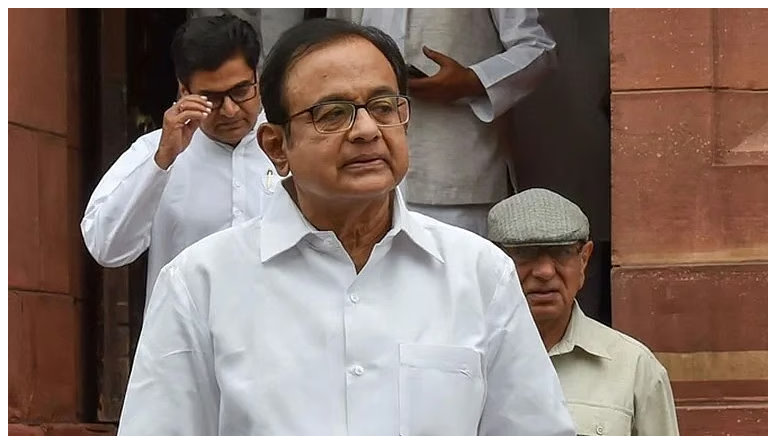
The Indian aviation industry has been facing a significant crisis in recent times, with the country’s largest airline, IndiGo, facing numerous challenges. The airline has been struggling with a high number of flight cancellations, delays, and customer complaints, leaving thousands of passengers stranded and frustrated. Amidst this chaos, Congress leader P Chidambaram has weighed in on the issue, blaming the duopoly model in the airline industry for the current crisis.
Chidambaram’s comments come after Rahul Gandhi, the former Congress president, stated that the “monopoly/duopoly model is ill-suited for a developing country like India.” Chidambaram backed Gandhi’s statement, saying that the duopoly model exists in many sectors, including the airline industry. He argued that the lack of competition in these sectors has led to the current crisis, where a few large players dominate the market, leaving little room for smaller players to operate.
The concept of duopoly refers to a market structure where two firms dominate the industry, often leading to a lack of competition and innovation. In the case of the Indian airline industry, IndiGo and another major player have been accused of dominating the market, leaving smaller airlines struggling to compete. Chidambaram’s comments suggest that this lack of competition has led to the current crisis, where IndiGo’s problems have had a disproportionate impact on the entire industry.
Chidambaram also emphasized the importance of competition in a liberalized economy. He stated, “Liberalisation and Open Economy are based on competition. Absent competition, there will be baneful consequences as we’re witnessing now in the airline industry.” This statement highlights the need for a competitive market structure, where multiple players can operate and innovate, leading to better services and prices for consumers.
The current crisis in the Indian airline industry has significant implications for the country’s economy and infrastructure development. The airline industry is a critical component of India’s transportation network, with millions of people relying on air travel for business and leisure. The disruption caused by IndiGo’s problems has not only affected passengers but also had a ripple effect on the entire economy, with businesses and tourism affected by the lack of reliable air travel options.
The government has taken notice of the crisis and has ordered a probe into the matter. Additionally, relief steps have been announced to mitigate the impact of the crisis on passengers. However, Chidambaram’s comments suggest that a more fundamental overhaul of the industry’s structure is needed to prevent such crises in the future.
The duopoly model in the airline industry is not unique to India. Many countries have faced similar challenges, where a few large players dominate the market, leading to a lack of competition and innovation. However, in a developing country like India, the implications of such a model are more significant. With a large and growing population, India needs a competitive and innovative airline industry that can provide reliable and affordable air travel options to its citizens.
In conclusion, the current crisis in the Indian airline industry is a wake-up call for policymakers and industry leaders. Chidambaram’s comments highlight the need for a more competitive market structure, where multiple players can operate and innovate. The government’s probe and relief steps are a step in the right direction, but a more fundamental overhaul of the industry’s structure is needed to prevent such crises in the future. As India continues to grow and develop, it is essential to ensure that its airline industry is competitive, innovative, and reliable, providing affordable and efficient air travel options to its citizens.
About the Author