India to account for over 40% of global oil demand growth by 2035
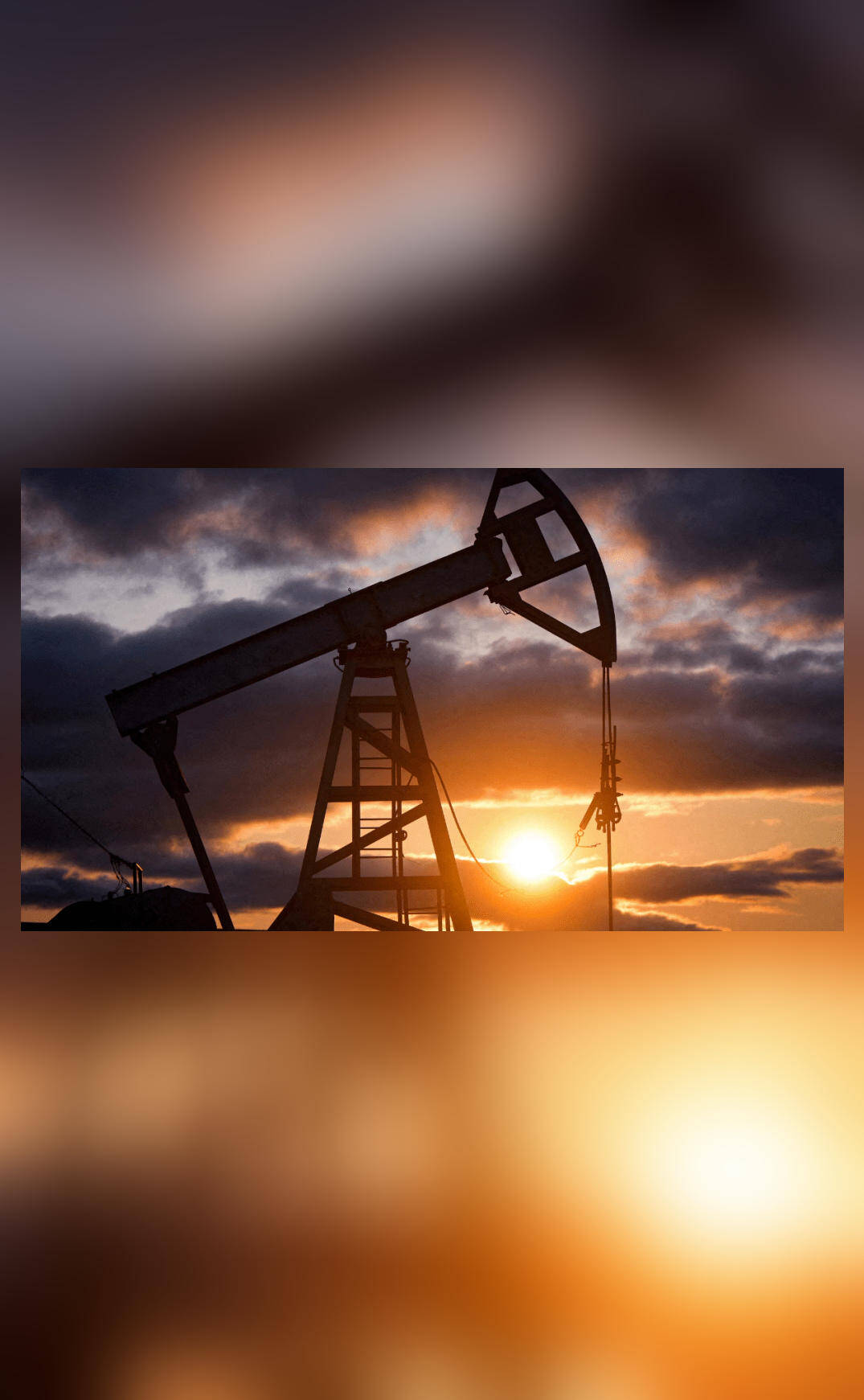
The world’s energy landscape is undergoing a significant transformation, with emerging economies like India playing a crucial role in shaping the future of energy demand. According to recent estimates shared by the Indian government, the country is expected to account for over 40% of the global increase in oil demand between 2024 and 2035. This staggering projection highlights India’s growing importance in the global energy market and underscores the need for the country to enhance its domestic exploration and production capabilities.
The data was shared by Minister of Petroleum and Natural Gas Hardeep Singh Puri in response to a starred question in the Lok Sabha, the lower house of the Indian Parliament. The estimates suggest that India’s oil demand will grow at a rapid pace, driven by the country’s expanding economy, increasing population, and rising energy needs. The growth in oil demand will be fueled by the transportation sector, which is expected to account for a significant share of the country’s total oil consumption.
In addition to oil, India is also expected to contribute significantly to the growth in natural gas demand. The estimates suggest that the country will account for about 8% of the growth in global natural gas demand between 2024 and 2035. This is a significant development, given the Indian government’s push to increase the share of natural gas in the country’s energy mix. The government has set a target to increase the share of natural gas in the energy mix to 15% by 2030, up from the current level of around 6%.
The Indian government’s estimates are based on projections by international energy agencies, including the International Energy Agency (IEA). The IEA has forecast that India’s energy demand will grow at a rate of 3.5% per annum between 2020 and 2030, which is faster than the global average. The agency has also projected that India will overtake the European Union as the third-largest energy consumer by 2030.
The government’s focus on enhancing domestic exploration and production is a critical aspect of its energy policy. The country currently relies heavily on imports to meet its energy needs, with over 80% of its crude oil requirements being met through imports. The government aims to reduce this dependence on imports by increasing domestic production and exploring new sources of energy, including renewable energy.
To achieve this goal, the government has launched several initiatives, including the Hydrocarbon Exploration and Licensing Policy (HELP), which aims to simplify the process of awarding oil and gas blocks to private companies. The government has also launched the Discovered Small Fields (DSF) policy, which aims to monetize small and marginal fields that were previously unviable.
The government’s efforts to enhance domestic exploration and production have shown positive results, with several major discoveries being made in recent years. The country’s state-owned oil and gas companies, including Oil and Natural Gas Corporation (ONGC) and Indian Oil Corporation (IOC), have also been actively exploring new opportunities, both domestically and internationally.
In conclusion, India’s emergence as a major player in the global energy market is a significant development, with the country expected to account for over 40% of the global increase in oil demand between 2024 and 2035. The government’s focus on enhancing domestic exploration and production is a critical aspect of its energy policy, and several initiatives have been launched to achieve this goal. As the country continues to grow and develop, its energy needs will only increase, and it is essential that the government continues to work towards reducing its dependence on imports and increasing domestic production.
About the Author