India to account for over 40% of global oil demand growth by 2035
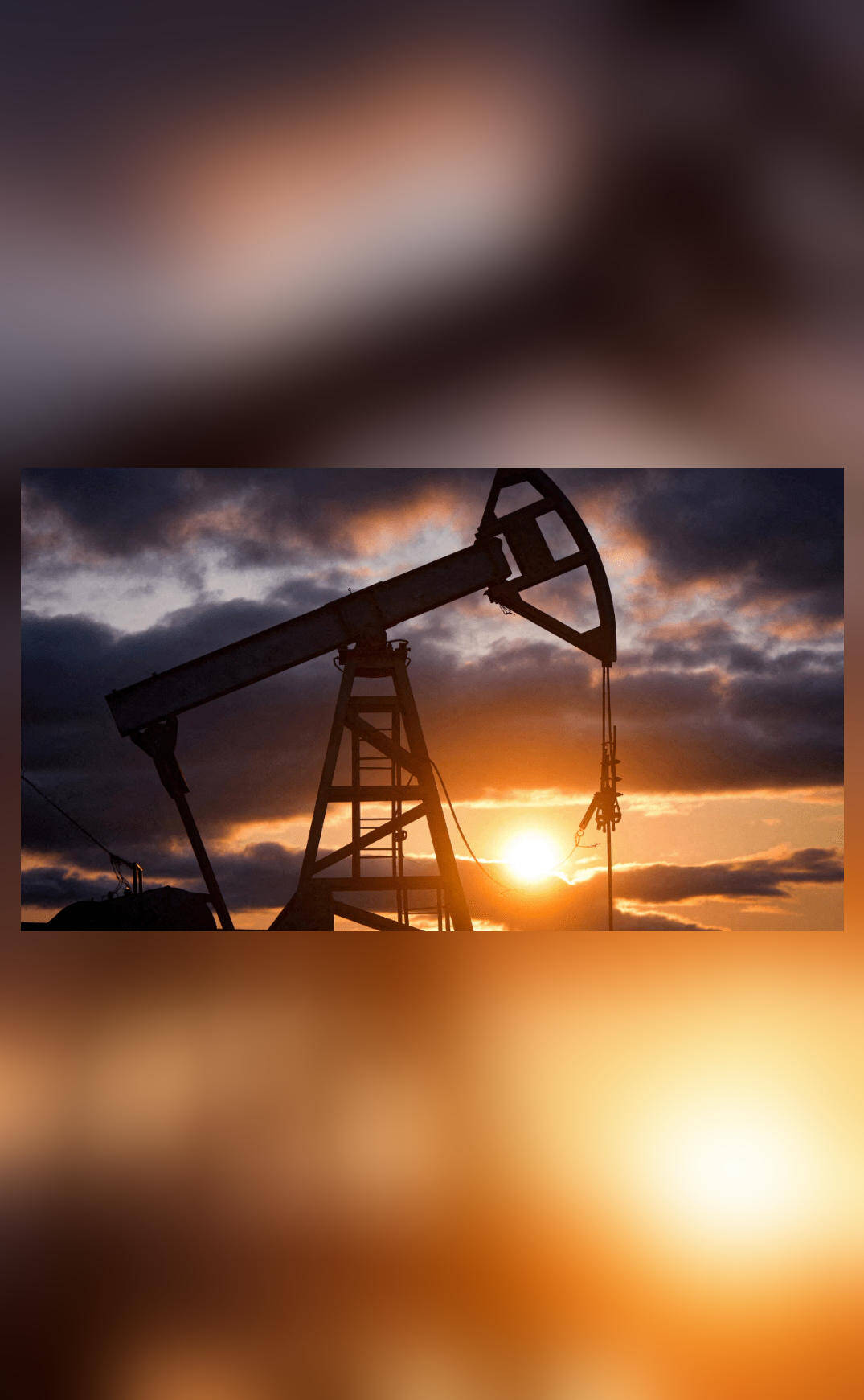
The world’s energy landscape is undergoing a significant transformation, with emerging economies like India playing a crucial role in shaping the future of global energy demand. According to recent estimates shared by the Minister of Petroleum and Natural Gas, Hardeep Singh Puri, in the Lok Sabha, India is expected to account for over 40% of the global increase in oil demand between 2024 and 2035. This staggering projection underscores the country’s rapidly growing energy needs, driven by its large and expanding population, urbanization, and economic development.
The data, presented in response to a starred question in the Lok Sabha, also reveals that India will contribute about 8% of the growth in natural gas demand during the same period. These estimates are based on the government’s analysis of global energy trends and India’s own energy requirements, which are expected to rise significantly in the coming years.
The government’s projections are consistent with the country’s ambitious economic growth plans, which aim to make India a $5 trillion economy by 2025. To achieve this goal, the country will require massive amounts of energy to power its industries, transportation systems, and households. As a result, India’s energy demand is expected to rise rapidly, driven by the growing needs of its population, which is projected to reach 1.5 billion by 2030.
The minister’s statement highlights the critical role that India will play in shaping the global energy landscape in the coming years. As the country’s energy demands continue to rise, it will have a significant impact on global energy markets, influencing the prices and availability of energy resources like oil and natural gas.
To meet its growing energy needs, the Indian government is taking several steps to enhance domestic exploration and production. The government has launched several initiatives to promote the exploration and production of oil and natural gas, including the introduction of new policies and regulations to attract foreign investment in the sector.
One of the key initiatives is the Open Acreage Licensing Policy (OALP), which allows companies to bid for oil and gas blocks on a continuous basis. The policy has been successful in attracting foreign investment in the sector, with several international companies like ExxonMobil, BP, and Shell expressing interest in exploring and producing oil and gas in India.
The government is also promoting the use of alternative energy sources like solar and wind power to reduce the country’s dependence on fossil fuels. India has set ambitious targets to generate 40% of its electricity from non-fossil fuels by 2030, and the government is taking several steps to promote the development of renewable energy infrastructure in the country.
Despite these efforts, India’s energy sector faces several challenges, including a lack of investment in the upstream sector, inadequate infrastructure, and regulatory hurdles. The government will need to address these challenges to ensure that the country’s energy needs are met in a sustainable and environmentally friendly manner.
In conclusion, India’s energy demands are expected to play a significant role in shaping the global energy landscape in the coming years. The country’s growing population, urbanization, and economic development will drive its energy needs, making it one of the largest energy-consuming countries in the world. The government’s estimates, which suggest that India will account for over 40% of the global increase in oil demand between 2024 and 2035, underscore the need for the country to enhance its domestic exploration and production capabilities, promote alternative energy sources, and address the challenges facing its energy sector.
As the country continues to grow and develop, its energy needs will only continue to rise, making it essential for the government to develop a comprehensive energy strategy that balances the country’s economic, environmental, and social needs. By doing so, India can ensure a sustainable and secure energy future, which is critical to its economic growth and development.
About the Author