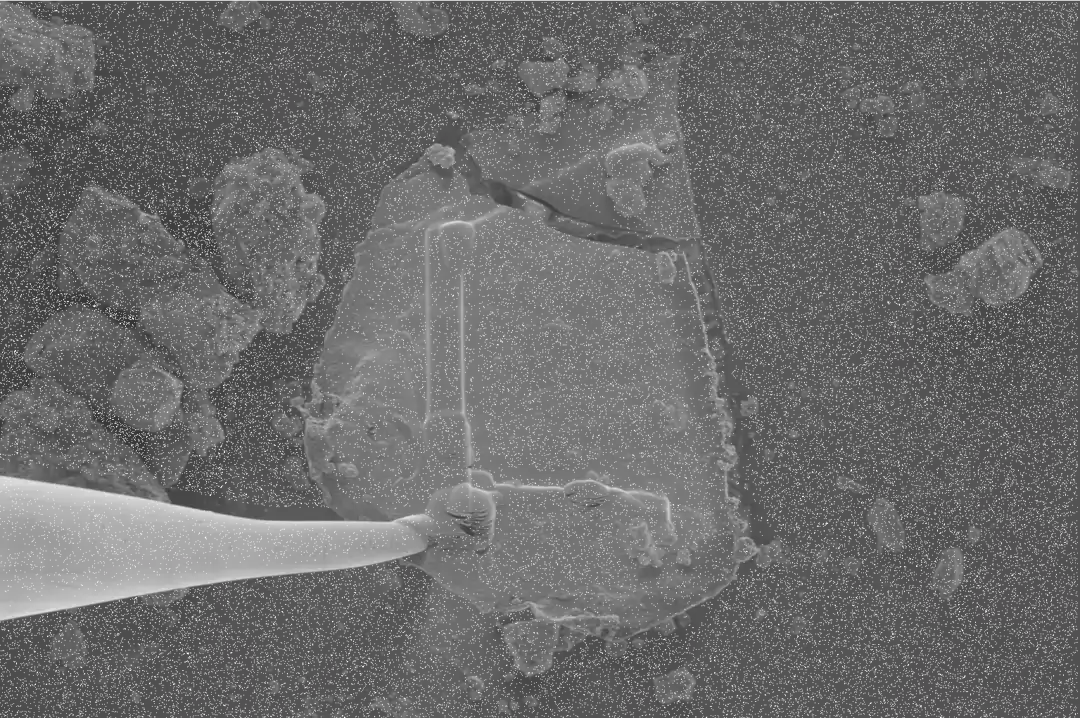
Sugars, ‘gum’, stardust found in Asteroid Bennu
In a groundbreaking discovery, NASA scientists have found evidence of life-essential sugars, a gum-like substance, and stardust in samples collected from Asteroid Bennu. The findings, which include the presence of ribose and six-carbon glucose, have significant implications for our understanding of the origins of life in the universe. The discovery was made possible by the analysis of samples collected by NASA’s OSIRIS-REx spacecraft, which returned to Earth in 2020 after a two-year mission to study the asteroid.
The discovery of sugars, including ribose and glucose, is particularly significant because these molecules are essential components of life on Earth. Ribose, a five-carbon sugar, is a key component of RNA, which is responsible for carrying genetic information in cells. Glucose, a six-carbon sugar, is a primary source of energy for many living organisms. The presence of these sugars in Asteroid Bennu suggests that the building blocks of life are widespread in the universe and may have been delivered to Earth on comets or asteroids.
In addition to sugars, the scientists also found a gum-like substance in the asteroid samples. This material, which is composed of tangled molecular chains, is thought to have formed early in the asteroid’s history. The exact composition and origin of the gum-like substance are still unknown, but it is believed to be a complex organic molecule that may have played a role in the formation of the asteroid.
Another significant finding is the presence of stardust in the asteroid samples. The scientists discovered that the samples contained six times the amount of supernova dust than any other studied astromaterial. This suggests that Asteroid Bennu is a primitive asteroid that has preserved material from the early days of the solar system. The presence of stardust, which is composed of heavy elements forged in the hearts of stars, provides valuable insights into the formation and evolution of the solar system.
The discovery of sugars, gum, and stardust in Asteroid Bennu has significant implications for our understanding of the origins of life in the universe. It suggests that the building blocks of life are widespread in the universe and may have been delivered to Earth on comets or asteroids. The presence of these molecules in a primitive asteroid like Bennu provides evidence that the raw materials for life are ancient and may have been present in the early solar system.
The OSIRIS-REx mission, which collected the samples from Asteroid Bennu, was designed to study the asteroid’s composition and structure. The spacecraft used a robotic arm to collect samples from the asteroid’s surface, which were then stored in a special capsule for return to Earth. The samples were returned to Earth in 2020 and have been undergoing analysis by scientists at NASA and other research institutions.
The discovery of sugars, gum, and stardust in Asteroid Bennu is a significant milestone in the search for life beyond Earth. It provides evidence that the building blocks of life are widespread in the universe and may have been delivered to Earth on comets or asteroids. The findings also highlight the importance of continued exploration and study of asteroids and other celestial bodies, which may hold the key to understanding the origins of life in the universe.
In conclusion, the discovery of sugars, gum, and stardust in Asteroid Bennu is a groundbreaking finding that has significant implications for our understanding of the origins of life in the universe. The presence of these molecules in a primitive asteroid like Bennu provides evidence that the raw materials for life are ancient and may have been present in the early solar system. The continued study of asteroids and other celestial bodies will be crucial in advancing our understanding of the origins of life and the possibility of life beyond Earth.
About the Author