HC Rejects TN Govt’s Plea Against Lighting Holy ‘Deep’ Near Dargah
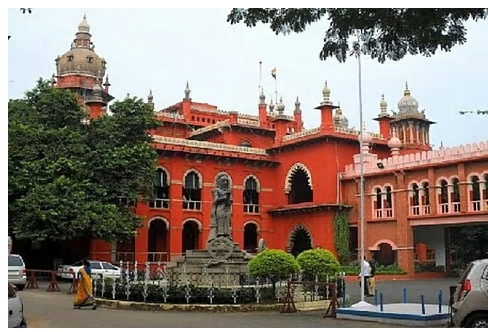
In a significant development, the Madras High Court on Thursday dismissed the Tamil Nadu government’s appeal against the court’s order directing to light a holy ‘deep’ near a dargah. The court’s decision comes after the state government had challenged the earlier order, citing concerns over potential law and order issues. However, the court was not convinced by the government’s arguments and rejected the appeal, stating that it was filed with an “ulterior motive.”
The controversy began when a court directive was issued to light a holy ‘deep’ near a dargah located near the Thiruparankundram hill in Tamil Nadu. However, instead of complying with the order, the diya was lit at a different spot, sparking a fresh row. The court’s decision to reject the government’s appeal is seen as a significant victory for the devotees who had been seeking to light the holy ‘deep’ near the dargah.
The Madras High Court’s order is a clear indication that the judiciary will not tolerate any attempts to undermine the rights of citizens, particularly when it comes to matters of faith and religion. The court’s observation that the appeal was filed with an “ulterior motive” suggests that the government’s actions were driven by considerations other than the welfare of the people.
The issue of lighting a holy ‘deep’ near a dargah may seem like a trivial matter to some, but it has significant cultural and religious implications. For devotees, the act of lighting a diya is a sacred ritual that holds deep spiritual significance. By directing the government to allow the lighting of the holy ‘deep’ near the dargah, the court has upheld the fundamental right of citizens to practice their faith without fear of persecution or hindrance.
The Tamil Nadu government’s decision to challenge the court’s order was seen as a move to appease certain sections of the population. However, the court’s rejection of the appeal sends a clear message that the government cannot dictate how citizens practice their faith. The court’s order is a testament to the independence of the judiciary and its commitment to upholding the principles of secularism and democracy.
The controversy surrounding the lighting of the holy ‘deep’ near the dargah has also highlighted the need for greater tolerance and understanding between different communities. The fact that the diya was not lit at the designated spot and was instead lit at a different location suggests that there are still significant social and cultural divides that need to be bridged.
In recent years, India has witnessed a growing trend of intolerance and polarization, with certain sections of the population seeking to impose their beliefs and values on others. The Madras High Court’s order is a significant setback for such forces and a reminder that the country’s constitutional values of secularism, democracy, and pluralism must be upheld at all costs.
The court’s decision is also a victory for the rule of law and the principle of equality before the law. By rejecting the government’s appeal, the court has sent a clear message that the law applies equally to all citizens, regardless of their faith, caste, or creed. The order is a reminder that the government and the judiciary must work together to uphold the constitutional values and protect the rights of all citizens.
In conclusion, the Madras High Court’s decision to reject the Tamil Nadu government’s appeal against the lighting of a holy ‘deep’ near a dargah is a significant development that upholds the principles of secularism, democracy, and pluralism. The court’s order is a reminder that the judiciary will not tolerate any attempts to undermine the rights of citizens, particularly when it comes to matters of faith and religion. As the country continues to grapple with the challenges of intolerance and polarization, the court’s decision is a beacon of hope for a more inclusive and tolerant society.
About the Author