HC Rejects TN Govt’s Plea Against Lighting Holy ‘Deep’ Near Dargah
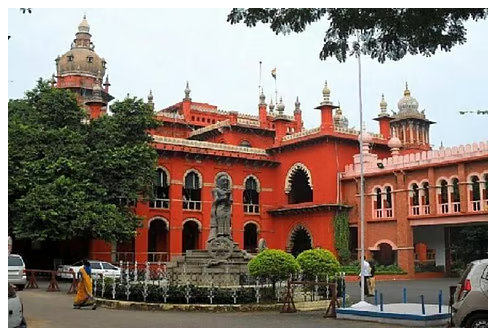
In a significant development, the Madras High Court on Thursday dismissed the Tamil Nadu government’s appeal against the court’s order directing to light a holy ‘deep’ near a dargah. The court’s decision comes after the state government had challenged the earlier order, which had allowed devotees to light a holy ‘deep’ near the dargah located at the foot of the Thiruparankundram hill. The hill is a sacred site for both Hindus and Muslims, with a temple dedicated to Lord Murugan at the top and a dargah at the base.
The controversy began when a group of devotees sought permission to light a holy ‘deep’ near the dargah, which was opposed by the state government. The government had argued that lighting a ‘deep’ near the dargah would disturb the peace and tranquility of the area and could lead to communal tensions. However, the court had rejected this argument and directed the authorities to allow the devotees to light the ‘deep’ near the dargah.
Despite the court’s order, the ‘deep’ was not lit at the designated spot, and instead, it was lit at another location. This prompted the court to take a stern view of the matter, saying that the appeal filed by the state government was done with an “ulterior motive”. The court’s observation suggests that the government’s appeal was not made in good faith, but rather to delay or thwart the implementation of the court’s order.
The Madras High Court’s decision to dismiss the state government’s appeal is a significant development, as it upholds the right of devotees to practice their faith and perform their religious rituals without undue interference from the state. The court’s order also highlights the importance of respecting the rule of law and the decisions of the judiciary. By dismissing the appeal, the court has sent a strong message that it will not tolerate any attempts to undermine the authority of the judiciary or to delay the implementation of its orders.
The controversy surrounding the lighting of the holy ‘deep’ near the dargah is not an isolated incident. It is part of a larger debate about the role of religion in public life and the balance between the rights of different communities. The issue has sparked a lively debate, with some arguing that the government’s decision to oppose the lighting of the ‘deep’ was motivated by a desire to appease certain sections of the community, while others have argued that the government’s actions were necessary to maintain public order and prevent communal tensions.
The Madras High Court’s decision has been welcomed by many, who see it as a victory for the rights of devotees and the rule of law. However, others have expressed concerns that the decision could lead to increased tensions between different communities and undermine the efforts of the government to maintain public order.
In conclusion, the Madras High Court’s decision to dismiss the Tamil Nadu government’s appeal against the lighting of a holy ‘deep’ near a dargah is a significant development that upholds the rights of devotees and the rule of law. The court’s order highlights the importance of respecting the decisions of the judiciary and the need for the state government to act in good faith. As the controversy surrounding the issue continues to simmer, it is hoped that the court’s decision will help to resolve the matter and promote greater understanding and respect between different communities.
The Madras High Court’s decision is also a reminder of the importance of the judiciary in protecting the rights of citizens and ensuring that the rule of law is upheld. The court’s order is a testament to the independence and impartiality of the judiciary, which is essential for maintaining the integrity of the legal system and promoting public confidence in the administration of justice.
As the matter continues to unfold, it is likely that there will be further developments and challenges. However, for now, the Madras High Court’s decision stands as a significant milestone in the ongoing debate about the role of religion in public life and the balance between the rights of different communities.
About the Author