HC Rejects TN Govt’s Plea Against Lighting Holy ‘Deep’ Near Dargah
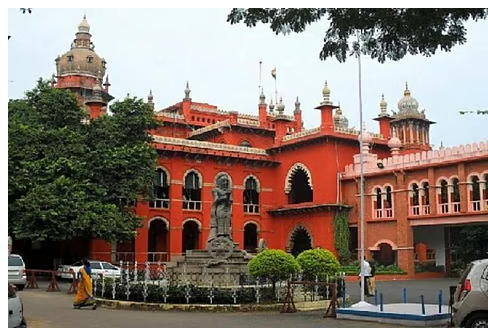
In a significant development, the Madras High Court on Thursday dismissed the Tamil Nadu government’s appeal against the court’s order directing to light a holy ‘deep’ near a dargah. The court’s decision comes after the state government had challenged the earlier order, citing concerns over potential law and order issues. However, the court was not convinced by the government’s arguments and observed that the appeal was filed with an ulterior motive.
The controversy began when a group of devotees sought permission to light a holy ‘deep’ near the dargah located at the foot of the Thiruparankundram hill in Tamil Nadu. The dargah is a sacred place for Muslims, and the devotees wanted to light the ‘deep’ as part of their religious rituals. However, the state government had opposed the move, citing concerns over potential communal tensions.
The court had earlier directed the authorities to allow the devotees to light the ‘deep’ near the dargah, but the order was not complied with. Instead, the ‘deep’ was lit at another spot, away from the dargah. This prompted the devotees to approach the court again, seeking enforcement of the earlier order.
The state government, on the other hand, filed an appeal against the court’s order, arguing that lighting the ‘deep’ near the dargah could lead to law and order issues. However, the court was not convinced by the government’s arguments and observed that the appeal was filed with an ulterior motive.
“The appeal, filed with an ulterior motive, is dismissed,” the court said, making it clear that it would not entertain any attempts to circumvent its earlier order. The court’s decision is significant, as it upholds the right of devotees to practice their religion without any undue restrictions.
The controversy highlights the ongoing tensions between different religious groups in India, where even small issues can escalate into major controversies. The state government’s decision to oppose the lighting of the ‘deep’ near the dargah was seen as an attempt to appease a particular community, rather than upholding the principles of secularism and religious freedom.
The court’s decision, on the other hand, is a welcome move, as it reinforces the idea that the state should not interfere with the religious practices of its citizens, as long as they do not harm others. The decision also sends a strong message to the state government, which had tried to use the issue to polarize communities and gain political mileage.
The issue also raises questions about the role of the state in regulating religious practices. While the state has a duty to maintain law and order, it should not use this as a pretext to restrict the religious freedom of its citizens. The court’s decision makes it clear that the state should respect the rights of all citizens, regardless of their religion, and not try to impose its own brand of secularism on them.
In conclusion, the Madras High Court’s decision to reject the Tamil Nadu government’s appeal against lighting a holy ‘deep’ near a dargah is a significant move, as it upholds the principles of religious freedom and secularism. The decision reinforces the idea that the state should not interfere with the religious practices of its citizens, as long as they do not harm others. The controversy highlights the ongoing tensions between different religious groups in India, but the court’s decision is a welcome move, as it promotes harmony and understanding between different communities.
About the Author