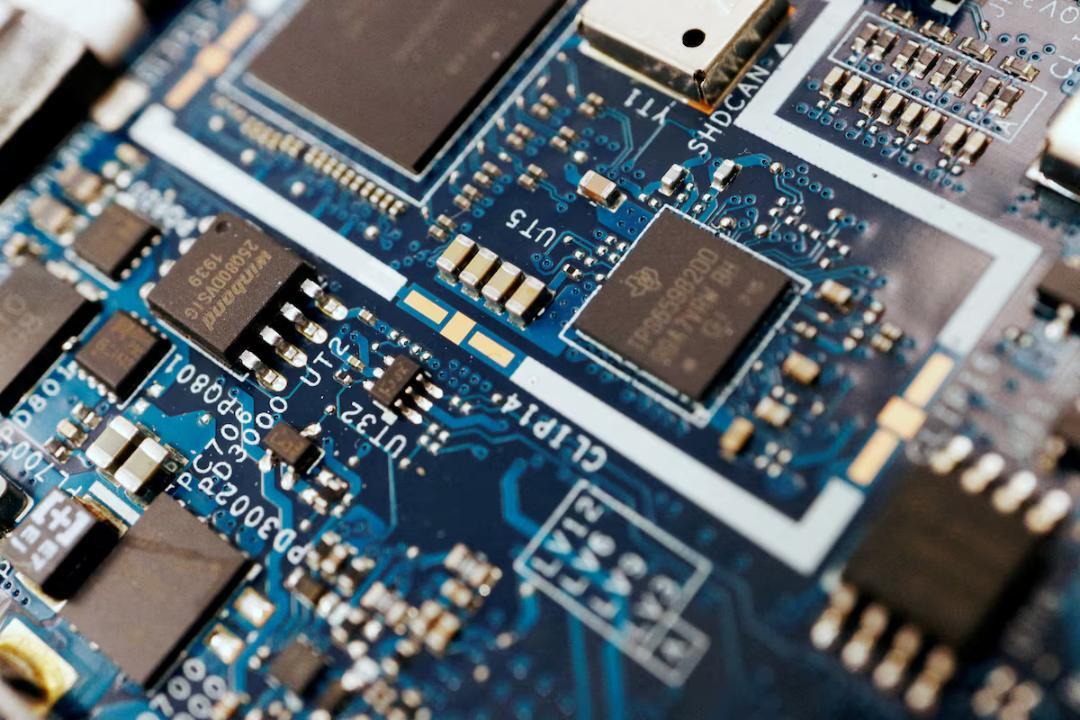
Chip industry faces shortage of 7 lakh workers by 2030: IESA chief
The semiconductor industry, which has been experiencing rapid growth in recent years, is facing a significant challenge in the form of a looming workforce shortage. According to India Electronics and Semiconductor Association (IESA) President Ashok Chandak, the sector could face a shortage of around seven lakh workers by 2030. This shortage is not limited to India, but is a global phenomenon, with the industry struggling to find skilled workers to meet the increasing demand for semiconductors.
“Worldwide, there is a problem, and India has the opportunity to fill the void,” Chandak stated, highlighting the potential for India to capitalize on this shortage and establish itself as a major player in the global semiconductor industry. However, to achieve this, Chandak emphasized the need to update the technical curriculum and develop manufacturing-related training programs to tackle the issue.
The semiconductor industry is a critical component of the global electronics ecosystem, with applications in a wide range of fields, including consumer electronics, automotive, aerospace, and healthcare. The industry has been growing rapidly in recent years, driven by the increasing demand for semiconductors in emerging technologies such as artificial intelligence, Internet of Things (IoT), and 5G.
However, the industry’s growth is being hindered by a shortage of skilled workers. The semiconductor industry requires a highly skilled workforce, with expertise in areas such as chip design, manufacturing, and testing. The shortage of skilled workers is not only limiting the industry’s ability to meet demand but is also hindering innovation and the development of new technologies.
The shortage of skilled workers in the semiconductor industry is a complex issue, with multiple factors contributing to the problem. One of the main reasons is the lack of awareness about the industry and the career opportunities it offers. Many students and young professionals are not aware of the exciting career opportunities available in the semiconductor industry, and as a result, are not pursuing education and training in this field.
Another factor contributing to the shortage is the rapid pace of technological change in the industry. The semiconductor industry is constantly evolving, with new technologies and innovations emerging regularly. This requires workers to have a strong foundation in mathematics, science, and engineering, as well as the ability to continuously update their skills and knowledge to keep pace with the latest developments.
To address the shortage of skilled workers, Chandak emphasized the need to update the technical curriculum and develop manufacturing-related training programs. This will require collaboration between industry, academia, and government to develop programs that provide students and workers with the skills and knowledge required to succeed in the semiconductor industry.
The Indian government has already taken steps to promote the development of the semiconductor industry, including the launch of the “Digital India” initiative, which aims to promote the use of technology to drive economic growth and development. The government has also established the India Electronics and Semiconductor Association (IESA) to promote the development of the industry and provide a platform for industry players to come together and address common challenges.
In addition to government initiatives, industry players are also taking steps to address the shortage of skilled workers. Many companies are establishing training programs and partnerships with academic institutions to provide students and workers with the skills and knowledge required to succeed in the industry.
The shortage of skilled workers in the semiconductor industry presents a significant opportunity for India to establish itself as a major player in the global industry. With its large pool of skilled workers and strong education system, India has the potential to become a major hub for semiconductor manufacturing and design.
However, to achieve this, India will need to invest in developing the skills and knowledge of its workforce, as well as in promoting awareness about the industry and the career opportunities it offers. The government, industry, and academia will need to work together to develop programs that provide students and workers with the skills and knowledge required to succeed in the semiconductor industry.
In conclusion, the semiconductor industry is facing a significant challenge in the form of a looming workforce shortage. However, this shortage also presents a significant opportunity for India to establish itself as a major player in the global industry. By updating the technical curriculum, developing manufacturing-related training programs, and promoting awareness about the industry and the career opportunities it offers, India can capitalize on this shortage and establish itself as a major hub for semiconductor manufacturing and design.
About the Author