Tata Group donates ₹758 crore to BJP, weeks after approval for semiconductor units: Report
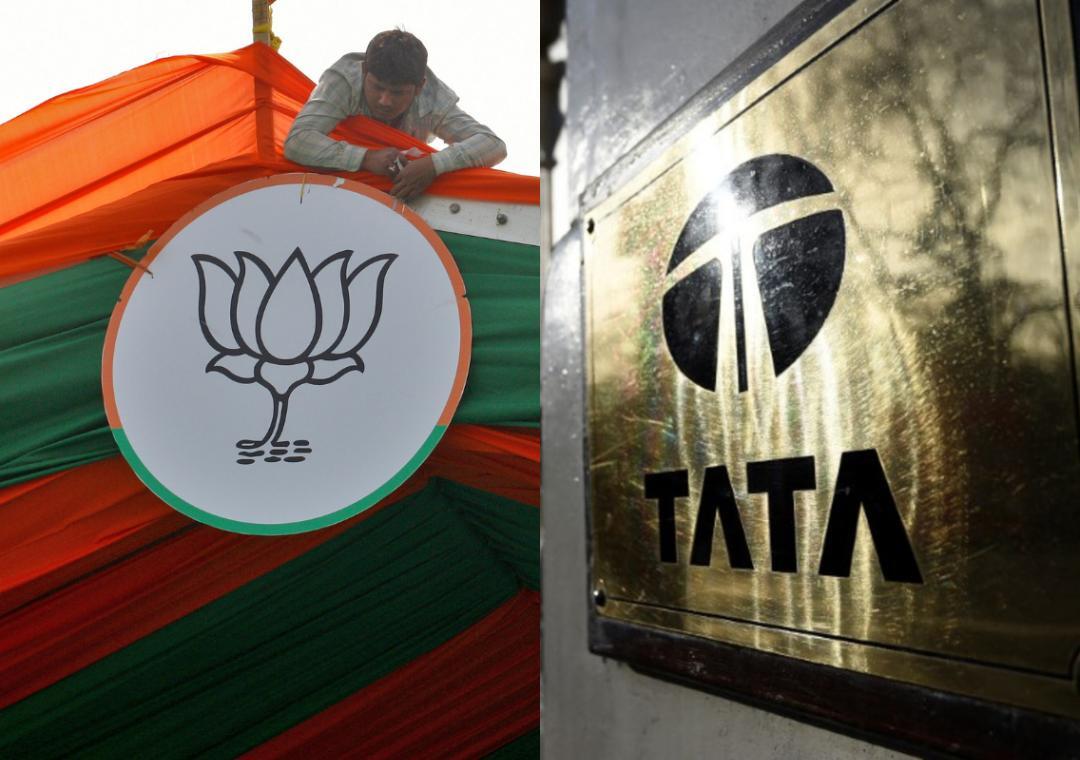
In a shocking revelation, the Tata Group, one of India’s largest conglomerates, has donated a staggering ₹758 crore to the Bharatiya Janata Party (BJP) in April 2024. This massive donation comes just weeks after the group received approval for its two semiconductor units, with the government providing subsidies worth ₹44,000 crore. The donations, made just days before the 2024 Lok Sabha elections, have raised eyebrows and sparked debate about the close ties between corporate giants and political parties in India.
According to reports, the donations from the Tata Group accounted for nearly 83% of the group’s total contributions, with the Congress party receiving a mere 8.4%. The donations were sourced from 15 different Tata companies, highlighting the group’s extensive reach and influence in various sectors. The sheer scale of the donations has led to questions about the timing and motivations behind such a massive contribution to the BJP.
The approval for the semiconductor units is a significant development, as it marks a major milestone in India’s efforts to boost its electronics manufacturing capabilities. The subsidies provided by the government are aimed at supporting the growth of the semiconductor industry, which is expected to play a crucial role in driving India’s economic growth and technological advancement. However, the fact that the Tata Group received such a large subsidy just weeks before making a massive donation to the BJP has raised concerns about the potential for favoritism and crony capitalism.
The close ties between corporate giants and political parties in India have long been a subject of debate. While donations from companies to political parties are not uncommon, the scale and timing of the Tata Group’s donation have sparked concerns about the potential for undue influence and conflict of interest. The fact that the donation was made just days before the Lok Sabha elections has also raised questions about the potential impact on the electoral outcome.
The BJP, which has been in power since 2014, has been accused of favoring corporate interests and providing undue benefits to big businesses. The party has consistently maintained that its policies are aimed at promoting economic growth and development, but critics argue that these policies often benefit only a select few. The Tata Group’s donation has added fuel to the fire, with opposition parties and critics accusing the BJP of being overly dependent on corporate donations and favoring big businesses at the expense of the common man.
The Congress party, which received a mere 8.4% of the Tata Group’s donations, has been quick to criticize the BJP and the Tata Group. The party has accused the BJP of being beholden to corporate interests and has demanded greater transparency and accountability in political donations. The Congress party has also pointed out that the donation highlights the vast disparity in funding between the BJP and other parties, which can have a significant impact on the electoral outcome.
The controversy surrounding the Tata Group’s donation has also sparked a wider debate about the need for greater transparency and regulation in political funding. India’s electoral laws require parties to disclose donations above a certain threshold, but the laws are often criticized for being inadequate and ineffective. The lack of transparency and accountability in political funding has led to concerns about the potential for corruption and undue influence, with many arguing that the current system is ripe for abuse.
In conclusion, the Tata Group’s donation of ₹758 crore to the BJP has sparked a major controversy and raised important questions about the close ties between corporate giants and political parties in India. The timing and scale of the donation have led to concerns about favoritism and crony capitalism, and have highlighted the need for greater transparency and regulation in political funding. As India continues to grapple with the challenges of economic growth and development, it is essential that the country’s electoral laws are strengthened to prevent the undue influence of corporate interests and ensure that the democratic process is fair and transparent.
About the Author