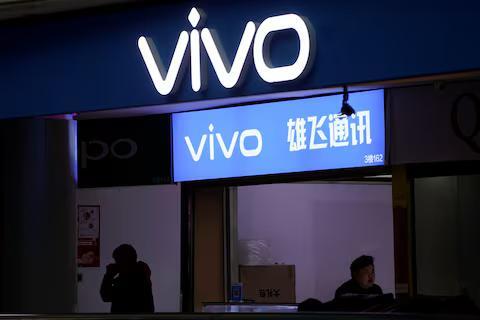
SFIO to charge Vivo in fund diversion case this month: Report
The Serious Fraud Investigation Office (SFIO) is set to file its chargesheet against Chinese smartphone maker Vivo this month in an alleged fund diversion case, according to a report by Moneycontrol, citing government sources. This development comes after the SFIO launched a probe into Chinese smartphone makers, including Vivo, following a report by the Registrar of Companies (RoC) that alleged fund diversion of around ₹6,000 crore.
The probe, which also involves other Chinese smartphone makers such as Oppo and Xiaomi, was initiated after the RoC report raised suspicions of financial irregularities and possible money laundering by these companies. The SFIO, which is a specialized agency under the Ministry of Corporate Affairs, is responsible for investigating serious financial frauds and irregularities in companies.
The alleged fund diversion case against Vivo involves the company’s Indian subsidiary, Vivo India, which is accused of diverting funds to its parent company and other affiliated entities. The RoC report had alleged that Vivo India had diverted around ₹6,000 crore to its parent company and other entities, which is a serious financial irregularity and a possible case of money laundering.
The SFIO probe into Vivo and other Chinese smartphone makers is part of a wider crackdown on Chinese companies operating in India. In recent years, the Indian government has been scrutinizing Chinese companies, including smartphone makers, for alleged financial irregularities and possible national security threats.
The chargesheet against Vivo is expected to be filed this month, and it will mark a significant development in the case. The SFIO will present its findings and evidence against Vivo, which will then be examined by a court. If found guilty, Vivo could face serious penalties, including fines and possible prosecution of its executives.
The case against Vivo is also likely to have implications for other Chinese smartphone makers, including Oppo and Xiaomi, which are also under investigation by the SFIO. The probe into these companies is part of a broader effort by the Indian government to regulate and monitor the activities of Chinese companies operating in India.
The Indian government has been taking a tough stance against Chinese companies in recent years, citing national security concerns and allegations of financial irregularities. In 2020, the Indian government banned several Chinese apps, including TikTok and WeChat, citing national security concerns. The government has also been scrutinizing Chinese investments in India, and has introduced new regulations to monitor and regulate Chinese companies operating in the country.
The case against Vivo is also likely to have implications for the Indian smartphone market, which is dominated by Chinese companies. Vivo, Oppo, and Xiaomi are among the top smartphone brands in India, and any adverse finding against them could impact their business operations in the country.
In conclusion, the SFIO’s decision to charge Vivo in the alleged fund diversion case is a significant development in the probe against Chinese smartphone makers. The case highlights the Indian government’s efforts to regulate and monitor the activities of Chinese companies operating in India, and the potential implications for the Indian smartphone market. As the case progresses, it will be interesting to see how Vivo and other Chinese smartphone makers respond to the allegations, and what implications the case will have for the Indian smartphone industry.
About the Author