Chip industry faces shortage of 7 lakh workers by 2030: IESA chief
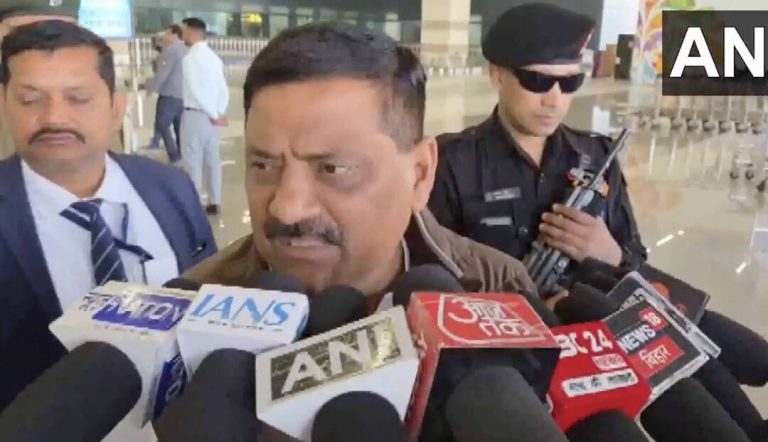
The semiconductor industry is on the cusp of a significant crisis, with a potential shortage of around 7 lakh workers by 2030. This revelation was made by Ashok Chandak, the President of the India Electronics and Semiconductor Association (IESA). Chandak emphasized that this shortage poses a significant problem worldwide, but it also presents a unique opportunity for India to fill the void.
The semiconductor industry has been experiencing unprecedented growth in recent years, driven by the increasing demand for electronic devices, automotive systems, and renewable energy technologies. However, this growth has also led to a shortage of skilled workers, which is expected to worsen in the coming years. The industry’s inability to attract and retain top talent has been exacerbated by the COVID-19 pandemic, which has disrupted global supply chains and highlighted the need for a more resilient and diverse workforce.
According to Chandak, the shortage of skilled workers in the semiconductor industry is a global problem, and India has the potential to play a significant role in addressing this issue. With its large pool of skilled engineers and technicians, India can provide the necessary manpower to support the growth of the semiconductor industry. However, to achieve this, there is a need to update the technical curriculum and develop manufacturing-related training programs that cater to the industry’s specific requirements.
The IESA chief highlighted the importance of creating a robust ecosystem that supports the growth of the semiconductor industry. This includes investing in education and training programs, developing infrastructure, and promoting research and development. By doing so, India can not only address the shortage of skilled workers but also become a major player in the global semiconductor industry.
The semiconductor industry is a critical component of the global economy, and its growth has a significant impact on various sectors, including automotive, aerospace, and renewable energy. The industry’s shortage of skilled workers has far-reaching implications, including delayed product development, reduced productivity, and increased costs. Therefore, it is essential to address this issue urgently and develop a comprehensive strategy to attract and retain top talent.
India has already taken steps to promote the growth of the semiconductor industry, including the establishment of the India Semiconductor Mission (ISM). The ISM aims to promote the development of the semiconductor industry in India and create a robust ecosystem that supports the growth of the sector. The government has also launched various initiatives, such as the Production Linked Incentive (PLI) scheme, to encourage the establishment of semiconductor manufacturing facilities in the country.
However, despite these efforts, there is still a long way to go in addressing the shortage of skilled workers in the semiconductor industry. The industry requires a range of skills, from design and development to manufacturing and testing. To address this shortage, there is a need to develop specialized training programs that cater to the industry’s specific requirements.
In conclusion, the semiconductor industry is facing a significant crisis, with a potential shortage of around 7 lakh workers by 2030. However, this shortage also presents a unique opportunity for India to fill the void and become a major player in the global semiconductor industry. By updating the technical curriculum, developing manufacturing-related training programs, and promoting research and development, India can address the shortage of skilled workers and support the growth of the semiconductor industry.
As the industry continues to evolve, it is essential to stay ahead of the curve and develop a comprehensive strategy to attract and retain top talent. This includes investing in education and training programs, developing infrastructure, and promoting innovation and entrepreneurship. By doing so, India can not only address the shortage of skilled workers but also become a hub for semiconductor manufacturing and design.
The IESA chief’s statement highlights the need for urgent action to address the shortage of skilled workers in the semiconductor industry. The industry’s growth and development depend on the availability of skilled workers, and it is essential to develop a robust ecosystem that supports the growth of the sector. As India strives to become a major player in the global semiconductor industry, it is crucial to address the shortage of skilled workers and develop a comprehensive strategy to attract and retain top talent.
In the coming years, the semiconductor industry is expected to play an increasingly important role in driving economic growth and innovation. As the industry continues to evolve, it is essential to stay ahead of the curve and develop a comprehensive strategy to address the shortage of skilled workers. By doing so, India can not only support the growth of the semiconductor industry but also become a hub for innovation and entrepreneurship.
To achieve this, it is essential to develop a range of skills, from design and development to manufacturing and testing. The industry requires a range of professionals, including engineers, technicians, and researchers, who can design, develop, and manufacture semiconductor products. By developing specialized training programs and promoting research and development, India can address the shortage of skilled workers and support the growth of the semiconductor industry.
In conclusion, the semiconductor industry is facing a significant crisis, with a potential shortage of around 7 lakh workers by 2030. However, this shortage also presents a unique opportunity for India to fill the void and become a major player in the global semiconductor industry. By updating the technical curriculum, developing manufacturing-related training programs, and promoting research and development, India can address the shortage of skilled workers and support the growth of the semiconductor industry.
About the Author