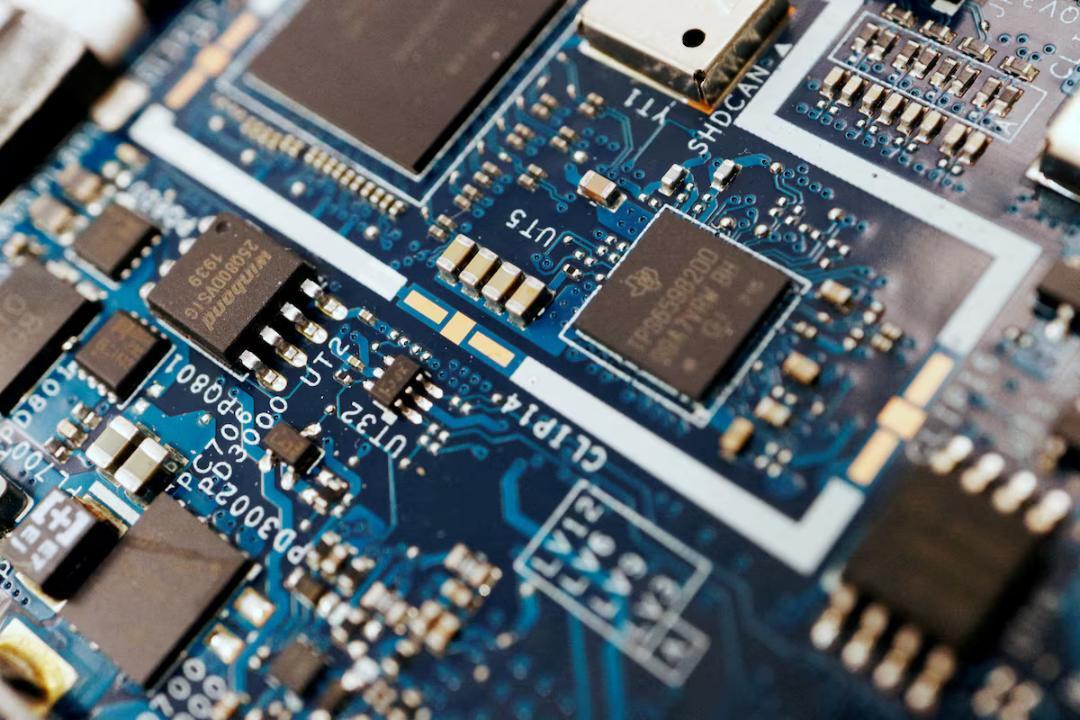
Chip industry faces shortage of 7 lakh workers by 2030: IESA chief
The Indian semiconductor industry is poised for significant growth, driven by the government’s push for digitalization and the increasing demand for electronics. However, this growth is threatened by a looming shortage of skilled workers. According to Ashok Chandak, President of the India Electronics and Semiconductor Association (IESA), the semiconductor sector could face a shortage of around seven lakh workers by 2030. This shortage presents a significant challenge to the industry, but it also offers India an opportunity to fill the void and establish itself as a major player in the global semiconductor market.
The semiconductor industry is a critical component of the global electronics ecosystem, and its growth is driven by the increasing demand for electronic devices such as smartphones, laptops, and televisions. The industry is also driven by the growing demand for emerging technologies such as artificial intelligence, Internet of Things (IoT), and 5G. However, the industry’s growth is threatened by a shortage of skilled workers, particularly in areas such as chip design, manufacturing, and testing.
According to Chandak, the shortage of skilled workers is a global problem, and India has the opportunity to fill the void. “Worldwide, there is a problem, and India has the opportunity to fill the void,” he stated. Chandak highlighted the need to update the technical curriculum and develop manufacturing-related training programmes to tackle the issue. He emphasized that the industry needs to work closely with academia and the government to develop programmes that can provide students with the skills and training required by the industry.
The shortage of skilled workers in the semiconductor industry is a complex problem that requires a multi-faceted solution. One of the key challenges is the lack of awareness about the industry and the career opportunities it offers. Many students are not aware of the career opportunities available in the semiconductor industry, and as a result, they do not pursue courses that can lead to a career in the industry. To address this issue, the industry needs to work closely with academia to develop programmes that can provide students with the skills and training required by the industry.
Another challenge is the lack of infrastructure and resources required to support the growth of the industry. The semiconductor industry requires significant investment in infrastructure, including fabrication plants, testing facilities, and research and development centers. The government needs to provide incentives and support to encourage investment in these areas and to develop the infrastructure required to support the growth of the industry.
The government has already taken several initiatives to support the growth of the semiconductor industry. The Ministry of Electronics and Information Technology (MeitY) has launched several schemes to promote the growth of the industry, including the Scheme for Promotion of Manufacturing of Electronic Components and Semiconductors (SPECS) and the Modified Special Incentive Package Scheme (M-SIPS). These schemes provide incentives and support to companies that invest in the semiconductor industry, including financial support, tax breaks, and other benefits.
In addition to these initiatives, the government needs to work closely with the industry to develop programmes that can provide students with the skills and training required by the industry. This includes developing curriculum and training programmes that are relevant to the industry, as well as providing support for research and development in areas such as chip design and manufacturing.
The shortage of skilled workers in the semiconductor industry is a significant challenge, but it also presents an opportunity for India to establish itself as a major player in the global semiconductor market. By working closely with academia and the government, the industry can develop programmes that can provide students with the skills and training required by the industry, and by investing in infrastructure and resources, the industry can support its growth and development.
In conclusion, the chip industry faces a significant challenge in the form of a shortage of skilled workers, but this challenge also presents an opportunity for India to establish itself as a major player in the global semiconductor market. By working closely with academia and the government, the industry can develop programmes that can provide students with the skills and training required by the industry, and by investing in infrastructure and resources, the industry can support its growth and development. As Chandak stated, “Worldwide, there is a problem, and India has the opportunity to fill the void.”
About the Author