Tata Group donates ₹758 crore to BJP, weeks after approval for semiconductor units: Report
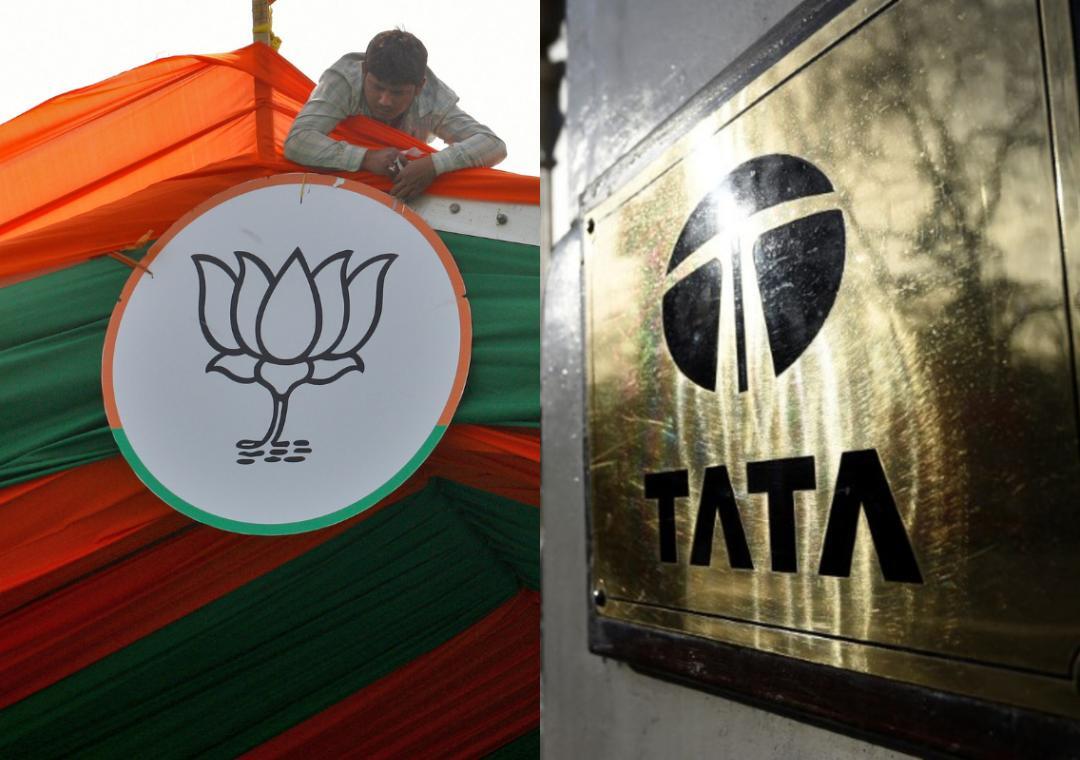
In a shocking revelation, the Tata Group, one of India’s largest conglomerates, has donated a staggering ₹758 crore to the Bharatiya Janata Party (BJP) in April 2024. This massive donation comes weeks after the group received approval for two of its semiconductor units, with subsidies totaling ₹44,000 crore. The donations, made just days before the 2024 Lok Sabha elections, have raised eyebrows and sparked controversy over the timing and potential implications of such a large contribution.
According to reports, the Tata Group’s donations to the BJP accounted for nearly 83% of the group’s total contributions, with the Congress party receiving a mere 8.4%. The donations were sourced from 15 different Tata companies, highlighting the group’s extensive reach and influence across various sectors. This significant disparity in donations has led to questions about the potential influence of the Tata Group on the BJP and the government’s decision-making processes.
The approval for the two semiconductor units, which was granted just weeks before the donations, has also raised concerns about the potential quid pro quo. The ₹44,000-crore subsidies for these units are part of the Indian government’s efforts to promote the development of the semiconductor industry in the country. While the government’s initiative to support the growth of this critical sector is commendable, the timing of the donations and the subsequent approval of the subsidies have created suspicions about the motivations behind these actions.
The Tata Group’s donation of ₹758 crore to the BJP is one of the largest single donations made by a corporate entity to a political party in India. The sheer scale of this contribution has sparked debate about the role of corporate funding in Indian politics and the potential impact on the democratic process. The fact that the donations were made just before the Lok Sabha elections has also led to speculation about the potential influence of the Tata Group on the electoral outcome.
The Indian government’s decision to provide subsidies to the Tata Group’s semiconductor units is part of its broader strategy to promote the growth of the electronics and semiconductor industries in the country. The government aims to reduce India’s dependence on imported electronics and promote domestic manufacturing. However, the large subsidies provided to the Tata Group have raised concerns about the fairness and transparency of the government’s decision-making processes.
The Tata Group’s dominance in the Indian economy and its extensive reach across various sectors make it a significant player in the country’s economic landscape. The group’s interests span a wide range of industries, including automotive, steel, telecommunications, and hospitality, among others. The group’s influence extends beyond the economic sphere, with its philanthropic activities and charitable initiatives also having a significant impact on Indian society.
In the context of the Tata Group’s donation to the BJP, it is essential to examine the potential implications of such a large contribution on the democratic process. The significant disparity in donations between the BJP and the Congress party has raised concerns about the potential influence of the Tata Group on the government’s decision-making processes. The fact that the donations were made just before the Lok Sabha elections has also led to speculation about the potential impact on the electoral outcome.
The Indian government’s regulations regarding corporate funding of political parties are relatively lax, which has led to concerns about the potential for undue influence and corruption. The lack of transparency and accountability in corporate funding has made it challenging to track the flow of funds and understand the motivations behind these contributions. The Tata Group’s donation of ₹758 crore to the BJP has highlighted the need for greater transparency and accountability in corporate funding of political parties.
In conclusion, the Tata Group’s donation of ₹758 crore to the BJP, weeks after the approval for its semiconductor units, has raised significant concerns about the potential influence of corporate funding on the democratic process. The large subsidies provided to the Tata Group’s semiconductor units have also sparked debate about the fairness and transparency of the government’s decision-making processes. As India continues to navigate the complexities of its economic and political landscape, it is essential to ensure that the democratic process remains transparent, accountable, and free from undue influence.
About the Author