Meesho faces investor protest over anchor allotment to SBI Funds
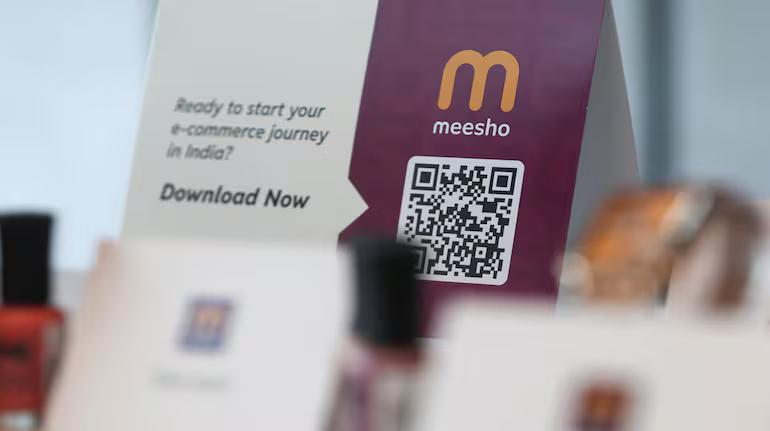
The Indian e-commerce industry has been abuzz with the upcoming initial public offering (IPO) of Meesho, a social commerce platform that has gained immense popularity in recent years. However, the company’s anchor book has faced a significant setback after a large allocation to SBI Funds Management, prompting several other large funds to withdraw their investments in protest. Despite this, Meesho’s IPO lineup still boasts an impressive array of global investors, including GIC and BlackRock.
According to reports, Meesho’s anchor book faced investor withdrawals after it allocated a significant portion of its shares to SBI Funds Management. This move did not sit well with other large funds, who felt that the allocation was unfair and biased towards SBI Funds. As a result, several prominent investors, including Capital Group, Aberdeen Group, ICICI Prudential Asset Management, and Nippon India Life Asset Management, among others, decided to withdraw their investments from Meesho’s anchor book.
The anchor book is a crucial component of an IPO, as it allows institutional investors to purchase shares before the IPO opens to the public. The anchor book is typically allocated to large institutional investors, who are expected to hold onto their shares for a longer period, providing stability to the stock price. However, in Meesho’s case, the allocation to SBI Funds Management seems to have upset the applecart, leading to a wave of withdrawals from other large funds.
The reasons behind the investor protest are not entirely clear, but it is likely that the other funds felt that the allocation to SBI Funds Management was disproportionate and favored one investor over others. This perception of unfairness may have led to a loss of confidence among the other investors, prompting them to withdraw their investments.
Despite the setback, Meesho’s IPO lineup still includes several prominent global investors, such as GIC and BlackRock. These investors have reportedly committed to purchasing a significant portion of Meesho’s shares, which should provide a boost to the company’s IPO. The presence of these global investors is a testament to Meesho’s growth potential and the attractiveness of the Indian e-commerce market.
Meesho’s IPO is expected to be one of the largest in the Indian market, with the company seeking to raise a significant amount of capital to fuel its growth plans. The company has been expanding rapidly in recent years, and its social commerce platform has gained immense popularity among small and medium-sized enterprises (SMEs) and individual sellers.
The Indian e-commerce market is highly competitive, with several players vying for market share. However, Meesho’s social commerce platform has carved out a niche for itself, focusing on SMEs and individual sellers who can sell their products through the platform. The company’s business model is based on a commission-based structure, where it earns a fee on every sale made through its platform.
Meesho’s growth plans are ambitious, and the company is expected to use the proceeds from its IPO to expand its operations, improve its technology infrastructure, and enhance its marketing efforts. The company is also expected to use the funds to strengthen its logistics and supply chain capabilities, which are critical to its success.
In conclusion, Meesho’s anchor book has faced a significant setback due to the allocation to SBI Funds Management, leading to investor withdrawals from other large funds. However, the company’s IPO lineup still includes several prominent global investors, such as GIC and BlackRock. Meesho’s growth potential and the attractiveness of the Indian e-commerce market are expected to drive investor interest in the company’s IPO.
As the Indian e-commerce market continues to evolve, Meesho’s social commerce platform is well-positioned to capitalize on the growing demand for online shopping. The company’s focus on SMEs and individual sellers has created a unique niche for itself, and its commission-based business model provides a stable source of revenue.
The outcome of Meesho’s IPO will be closely watched by investors and industry observers, as it will provide insights into the appetite for Indian e-commerce companies among global investors. The success of Meesho’s IPO will also have implications for the broader Indian startup ecosystem, which has been witnessing a surge in funding activity in recent years.
About the Author