Meesho faces investor protest over anchor allotment to SBI Funds
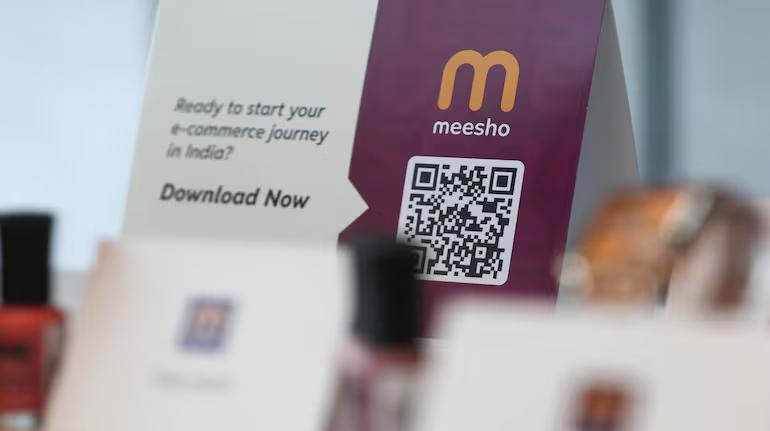
The Indian e-commerce landscape has been abuzz with the upcoming initial public offering (IPO) of Meesho, a social commerce platform that has gained significant traction in recent years. However, the company’s anchor book has faced a setback after a significant allocation to SBI Funds Management, prompting other large funds to exit in protest. According to reports, several prominent investors, including Capital Group, Aberdeen Group, ICICI Prudential Asset Management, and Nippon India Life Asset Management, have withdrawn their investments from Meesho’s anchor book.
The controversy surrounding Meesho’s anchor allotment to SBI Funds Management has raised eyebrows among investors and market observers. The anchor book is a critical component of an IPO, as it provides a platform for institutional investors to invest in the company before the public offering. The allocation of a significant portion of the anchor book to SBI Funds Management has been perceived as unfair by other large funds, leading to a wave of withdrawals.
Despite the protests, Meesho’s IPO lineup still includes several global investors, such as GIC and BlackRock. These investors have demonstrated their confidence in the company’s growth potential and are likely to remain invested in the long term. However, the exit of other prominent funds has raised concerns about the company’s ability to attract and retain investors.
The anchor allotment to SBI Funds Management has been seen as a strategic move by Meesho to secure the support of a large domestic investor. SBI Funds Management is one of the largest asset management companies in India, with a significant presence in the country’s mutual fund industry. By allocating a significant portion of the anchor book to SBI Funds Management, Meesho may have been attempting to strengthen its relationships with domestic investors and secure their support for the IPO.
However, this move has backfired, with other large funds perceiving the allocation as unfair and biased towards SBI Funds Management. The protests have also raised questions about the transparency and fairness of the anchor allotment process. Investors have expressed concerns that the allocation of a significant portion of the anchor book to a single investor may have been done without proper disclosure or consultation with other investors.
The controversy surrounding Meesho’s anchor allotment has also highlighted the challenges faced by companies in managing their relationships with investors. Meesho’s decision to allocate a significant portion of the anchor book to SBI Funds Management may have been driven by a desire to secure the support of a large domestic investor. However, this move has ultimately led to the exit of other prominent funds, which could have a negative impact on the company’s IPO prospects.
In the Indian IPO market, the anchor book plays a critical role in setting the tone for the public offering. A strong anchor book can help to build confidence among investors and provide a positive signal about the company’s growth prospects. However, a weak or controversial anchor book can have the opposite effect, leading to a lack of interest among investors and a disappointing IPO outcome.
Meesho’s IPO lineup still includes several prominent global investors, which is a positive sign for the company. However, the controversy surrounding the anchor allotment to SBI Funds Management has raised concerns about the company’s ability to manage its relationships with investors. As the company moves forward with its IPO plans, it will be important for Meesho to address these concerns and demonstrate its commitment to transparency and fairness in its dealings with investors.
In conclusion, Meesho’s anchor book has faced a setback after a significant allocation to SBI Funds Management, prompting other large funds to exit in protest. Despite this, the company’s IPO lineup still includes several global investors, such as GIC and BlackRock. However, the controversy surrounding the anchor allotment has raised concerns about the company’s ability to attract and retain investors. As the Indian e-commerce landscape continues to evolve, companies like Meesho will need to navigate the complex and often challenging world of investor relationships.
About the Author