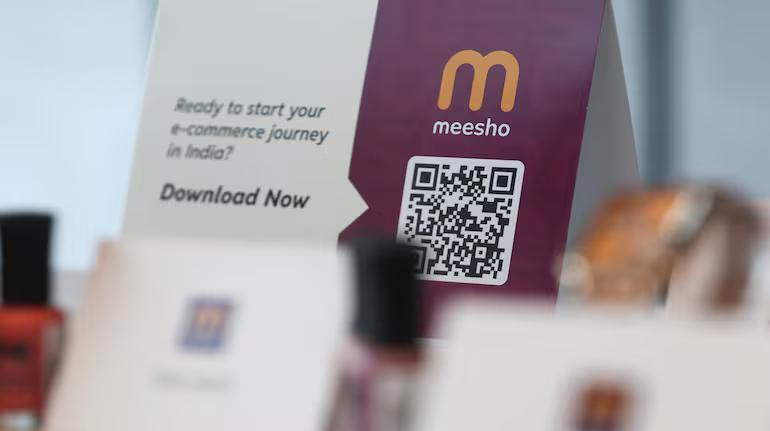
Meesho faces investor protest over anchor allotment to SBI Funds
The Indian e-commerce industry has been abuzz with the news of Meesho’s upcoming initial public offering (IPO). However, the company has recently faced a setback after its anchor book allocation sparked protests from several large investors. According to reports, Meesho’s decision to allocate a significant portion of its anchor book to SBI Funds Management led to the withdrawal of other prominent investors from the process.
The anchor book is a critical component of the IPO process, where a portion of the shares are allocated to institutional investors before the public offering. This is done to gauge interest and build momentum for the IPO. However, in Meesho’s case, the allocation to SBI Funds Management seems to have ruffled the feathers of other large investors.
Sources close to the matter revealed that several prominent investors, including Capital Group, Aberdeen Group, ICICI Prudential Asset Management, and Nippon India Life Asset Management, withdrew from the anchor book allocation process in protest. These investors were reportedly unhappy with the significant allocation to SBI Funds Management, which they felt was unfair and not in line with industry norms.
Despite this setback, Meesho’s IPO lineup still boasts an impressive list of global investors, including GIC and BlackRock. The company’s ability to attract such prominent investors is a testament to its strong business fundamentals and growth prospects. Meesho has been one of the fastest-growing e-commerce companies in India, with a strong focus on social commerce and a large user base.
The controversy surrounding the anchor book allocation, however, raises questions about the transparency and fairness of the IPO process. Investors expect a level playing field, where allocations are made based on merit and not influenced by external factors. The protest by large investors highlights the need for greater transparency and accountability in the IPO process.
Meesho’s decision to allocate a significant portion of its anchor book to SBI Funds Management may have been driven by various factors, including the fund’s large size and influence in the Indian market. However, this decision has clearly backfired, leading to the withdrawal of other prominent investors.
The implications of this controversy are far-reaching and may impact not only Meesho’s IPO but also the broader Indian e-commerce industry. Investors may become more cautious and scrutinize the IPO process more closely, leading to a more challenging environment for companies looking to raise capital.
In conclusion, Meesho’s anchor book allocation controversy serves as a reminder of the importance of transparency and fairness in the IPO process. While the company’s ability to attract global investors like GIC and BlackRock is a positive sign, the protest by large investors highlights the need for greater accountability and transparency.
As the Indian e-commerce industry continues to grow and evolve, it is essential for companies and regulators to prioritize fairness and transparency in the IPO process. This will not only help build trust among investors but also ensure that the industry continues to attract high-quality investment and talent.
About the Author