Proud to have stood with India: Russia ahead of Putin’s visit
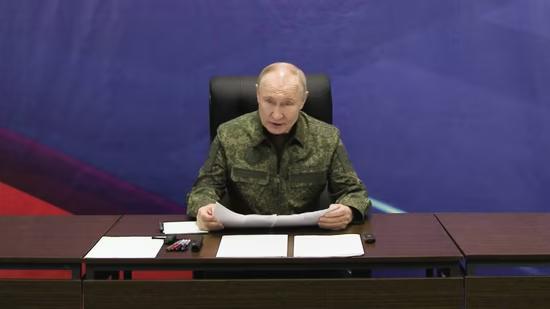
As the world watches with bated breath, Russian President Vladimir Putin is set to visit India on December 4 and 5, marking a significant milestone in the Indo-Russian relationship. Ahead of this highly anticipated visit, Kremlin spokesperson Dmitry Peskov has expressed his country’s admiration for India’s remarkable growth, stating that Russia is “proud to have been shoulder to shoulder next to our Indian friends during their historic growth.” This statement not only underscores the strong bond between the two nations but also highlights the depth of their strategic partnership.
Over the years, India and Russia have enjoyed a special relationship, with cooperation in various fields such as defence, energy, and trade. The two countries have a long history of diplomatic and economic ties, with Russia being one of India’s most trusted allies. The relationship has been built on the principles of mutual respect, trust, and cooperation, with both countries working together to promote peace, stability, and prosperity in the region.
One of the key areas of cooperation between India and Russia is defence. The two countries have a robust defence partnership, with Russia being one of India’s largest defence suppliers. The BrahMos missile, a supersonic cruise missile developed jointly by India and Russia, is a shining example of this cooperation. The missile has been successfully tested and inducted into the Indian Armed Forces, demonstrating the strength of the Indo-Russian defence partnership. Peskov’s mention of the BrahMos missile highlights the significance of this cooperation and the potential for future collaborations in the defence sector.
The upcoming visit of President Putin to India is expected to further strengthen the bilateral relationship, with a focus on strategic partnership and cooperation in key areas such as defence, energy, and trade. The two countries are likely to discuss ways to enhance their economic ties, including increasing trade and investment. Russia has been a significant player in India’s energy sector, with Russian companies such as Rosneft and Gazprom having a significant presence in the country. The visit is also expected to see the signing of several agreements and MoUs in areas such as defence, space, and civil nuclear energy.
Peskov’s statement also highlighted the “bright future” for the strategic partnership between India and Russia. This is a significant indication of Russia’s commitment to the relationship and its desire to take the partnership to the next level. The statement also reflects the growing importance of the Indo-Russian relationship in the context of the rapidly changing global landscape. As the world grapples with challenges such as terrorism, climate change, and economic uncertainty, the India-Russia partnership is seen as a beacon of stability and cooperation.
The visit of President Putin to India is also significant in the context of the current global geopolitical landscape. The relationship between India and Russia is seen as a counterbalance to the growing influence of China in the region. Russia has been a key player in the Shanghai Cooperation Organization (SCO), a regional security grouping that includes China, India, and several Central Asian countries. The visit is expected to see discussions on regional security issues, including the situation in Afghanistan and the threat of terrorism.
In conclusion, the upcoming visit of President Putin to India is a significant event that is expected to strengthen the Indo-Russian relationship. The statement by Kremlin spokesperson Dmitry Peskov highlights the depth of the relationship and Russia’s commitment to the partnership. The visit is expected to see discussions on key areas such as defence, energy, and trade, and the signing of several agreements and MoUs. As the world watches the visit with interest, one thing is clear – the India-Russia relationship is poised for a bright future, with both countries committed to promoting peace, stability, and prosperity in the region.
About the Author