T’gana minister slams Pawan for ‘evil eye’ remark, warns film ban
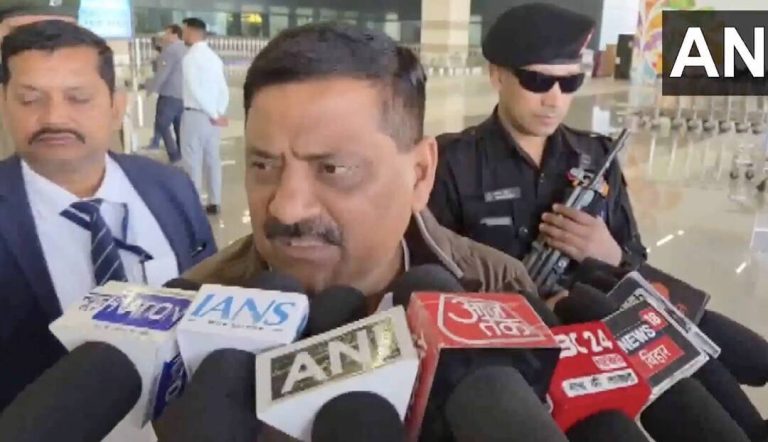
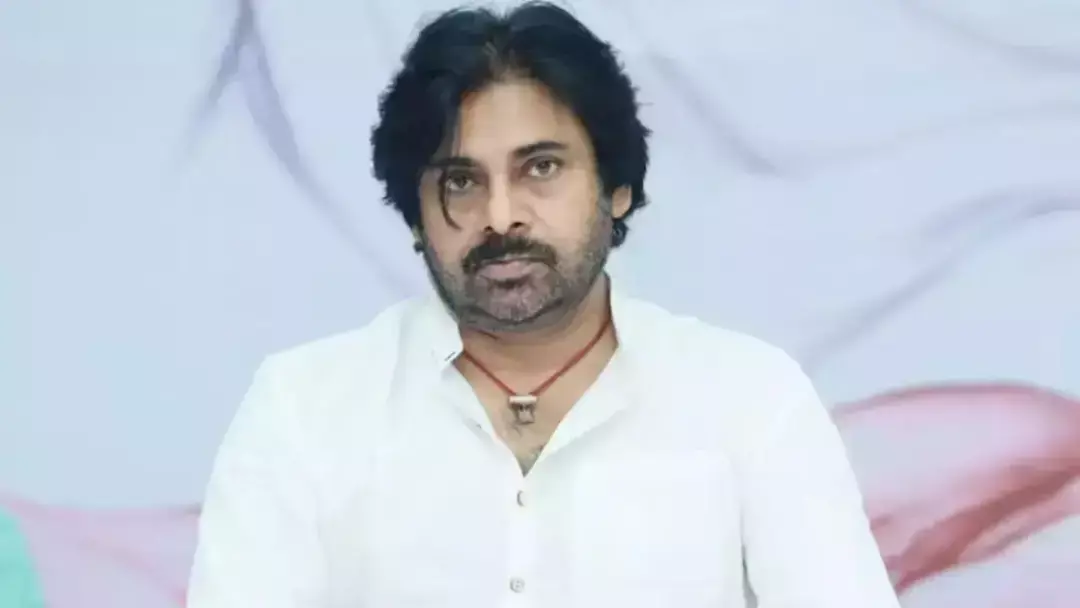
The world of politics and entertainment often collide, and the latest controversy to erupt in the Indian state of Telangana is a perfect example of this. Deputy Chief Minister and renowned actor Pawan Kalyan has found himself at the center of a maelstrom after making a remark that has been deemed insensitive and unbecoming of a public figure. The comment in question was made in reference to the dying coconut trees in the Konaseema region, which Kalyan attributed to the “evil eye.” This statement has sparked outrage, with Telangana Cinematography Minister Komatireddy Venkat Reddy leading the charge against the actor-turned-politician.
At a recent event, Pawan Kalyan expressed his views on the unfortunate situation of the coconut trees, stating that the “evil eye” was to blame for their demise. This remark was met with widespread criticism, with many accusing Kalyan of being insensitive and superstitious. The opposition was quick to pounce on the statement, with Minister Komatireddy Venkat Reddy demanding an apology from Kalyan. Reddy’s response was swift and stern, as he condemned Kalyan’s comment and warned of severe consequences if an apology was not forthcoming.
The Minister’s warning was unequivocal: “If Pawan Kalyan apologises, his movies will be screened at least a couple of days, if he fails to apologise, his films won’t release anywhere in Telangana.” This statement sent shockwaves through the film industry, as it implied that Kalyan’s movies would be banned in the state if he refused to apologize. The implications of such a move would be significant, as Telangana is a major market for Telugu cinema, and a ban on Kalyan’s films would result in substantial financial losses.
The controversy has sparked a heated debate, with many questioning Kalyan’s leadership and his ability to provide meaningful solutions to the problems facing the state. The dying coconut trees in Konaseema are a serious issue, with many farmers and locals dependent on the trees for their livelihood. By attributing the problem to the “evil eye,” Kalyan’s critics argue that he is avoiding the real issues and failing to provide tangible solutions.
The demand for an apology from Pawan Kalyan has also raised questions about the limits of free speech and the responsibilities that come with public office. As a Deputy Chief Minister, Kalyan is expected to maintain a certain level of decorum and sensitivity, especially when dealing with issues that affect the lives of ordinary citizens. By making a comment that is perceived as flippant and insensitive, Kalyan has opened himself up to criticism and scrutiny.
The film industry, too, is watching the situation with bated breath. Pawan Kalyan is a major star in Telugu cinema, and a ban on his films would have far-reaching consequences. The industry is already reeling from the impact of the pandemic, and a ban on Kalyan’s movies would only add to the woes of the producers, distributors, and exhibitors. The Telangana government’s warning has also raised concerns about the arbitrary use of power and the potential for censorship.
As the controversy continues to simmer, it remains to be seen how Pawan Kalyan will respond to the demand for an apology. Will he apologize and diffuse the situation, or will he stand his ground and risk facing the consequences? The outcome of this saga will have significant implications for the film industry, the people of Telangana, and the reputation of Pawan Kalyan as a public figure.
In conclusion, the controversy surrounding Pawan Kalyan’s “evil eye” remark is a complex issue that raises important questions about leadership, free speech, and the responsibilities that come with public office. As the situation continues to unfold, it is essential to consider the potential consequences of a ban on Kalyan’s films and the impact it would have on the film industry and the people of Telangana.
About the Author