T’gana minister slams Pawan for ‘evil eye’ remark, warns film ban
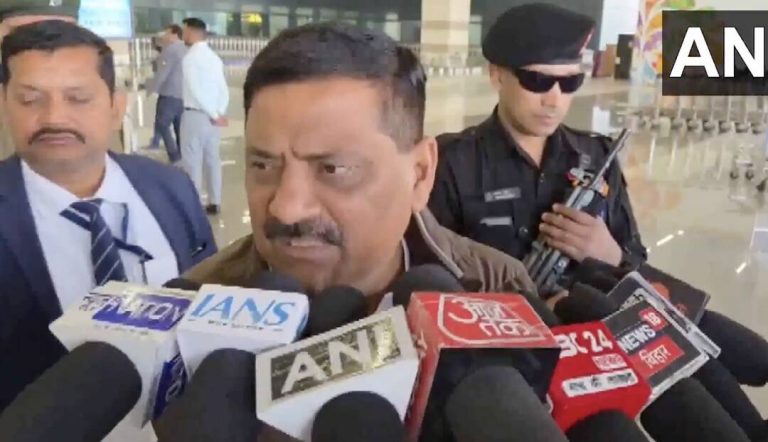
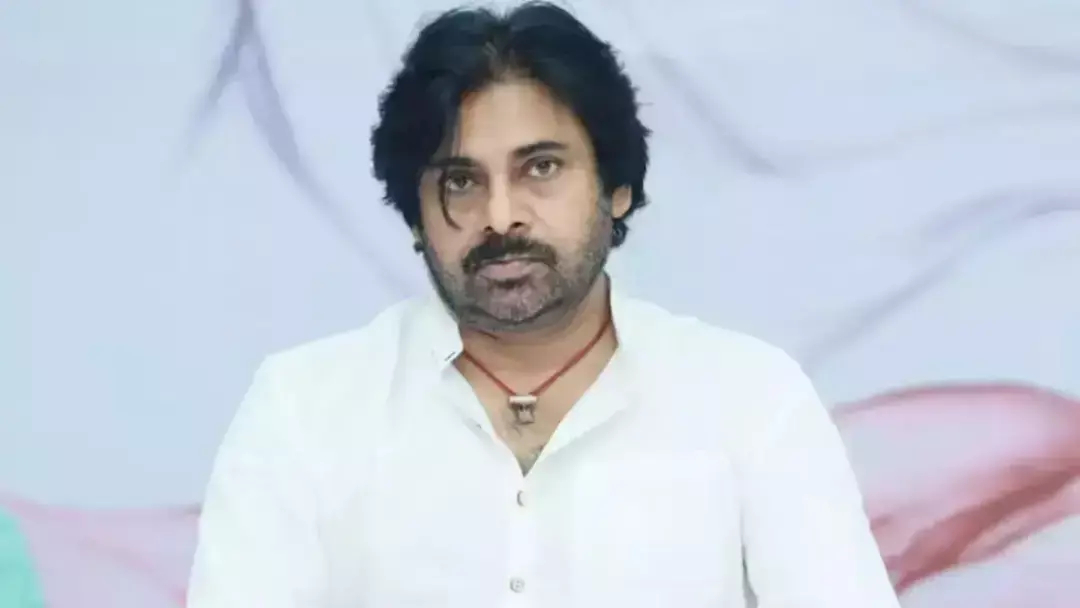
The world of Indian cinema is no stranger to controversy, and the latest incident involves Telugu actor and politician Pawan Kalyan. In a recent statement, Kalyan attributed the dying coconut trees in the Konaseema region to “evil eye,” sparking outrage among the public and politicians alike. Telangana Cinematography Minister Komatireddy Venkat Reddy has taken strong exception to Kalyan’s remark, demanding an apology from the actor.
The controversy began when Pawan Kalyan, who is also the Deputy Chief Minister of Andhra Pradesh, visited the Konaseema region to assess the situation of the dying coconut trees. Instead of offering concrete solutions or support to the affected farmers, Kalyan chose to blame “evil eye” for the problem. This remark was met with widespread criticism, with many accusing the actor of being insensitive and superstitious.
Komatireddy Venkat Reddy, the Telangana Cinematography Minister, was quick to condemn Kalyan’s statement. Reddy demanded an apology from the actor, stating that his remark was unacceptable and hurtful to the people of the region. The minister warned that if Kalyan failed to apologize, his films would face a ban in Telangana.
The minister’s statement has sparked a heated debate in the film industry, with many actors and filmmakers weighing in on the issue. While some have come out in support of Kalyan, others have criticized his remark, saying that it was unbecoming of a public figure. The incident has also raised questions about the role of politicians in the film industry and the impact of their statements on the public.
The Konaseema region, where the coconut trees are dying, is a major hub for coconut cultivation in Andhra Pradesh. The region is home to thousands of farmers who depend on coconut cultivation for their livelihood. The dying coconut trees have caused significant distress among the farmers, who are struggling to make ends meet.
Pawan Kalyan’s remark has been seen as a callous attempt to deflect attention from the real issues affecting the farmers. Instead of offering support and solutions, the actor chose to blame “evil eye,” a remark that has been widely criticized as superstitious and unhelpful.
The demand for an apology from Pawan Kalyan has sparked a wider debate about the accountability of public figures. As a politician and actor, Kalyan has a significant following in Andhra Pradesh and Telangana, and his statements carry significant weight. The incident has raised questions about the responsibility of public figures to be mindful of their words and actions, and to avoid making statements that can cause harm or offense to others.
The warning of a film ban in Telangana has also sparked a debate about the role of the government in regulating the film industry. While some have argued that the government has the right to regulate the industry and ensure that films do not promote harmful or offensive content, others have argued that a ban is not the solution.
As the controversy continues to unfold, it remains to be seen whether Pawan Kalyan will apologize for his remark. The actor has been known for his controversial statements in the past, and it is unclear whether he will back down this time. One thing is certain, however – the incident has sparked a wider debate about the accountability of public figures and the role of the government in regulating the film industry.
In conclusion, the controversy surrounding Pawan Kalyan’s remark is a reminder of the power and responsibility that comes with being a public figure. As a politician and actor, Kalyan has a significant following, and his statements can have a significant impact on the public. The demand for an apology and the warning of a film ban are a reminder that public figures must be mindful of their words and actions, and avoid making statements that can cause harm or offense to others.
About the Author