T’gana minister slams Pawan for ‘evil eye’ remark, warns film ban
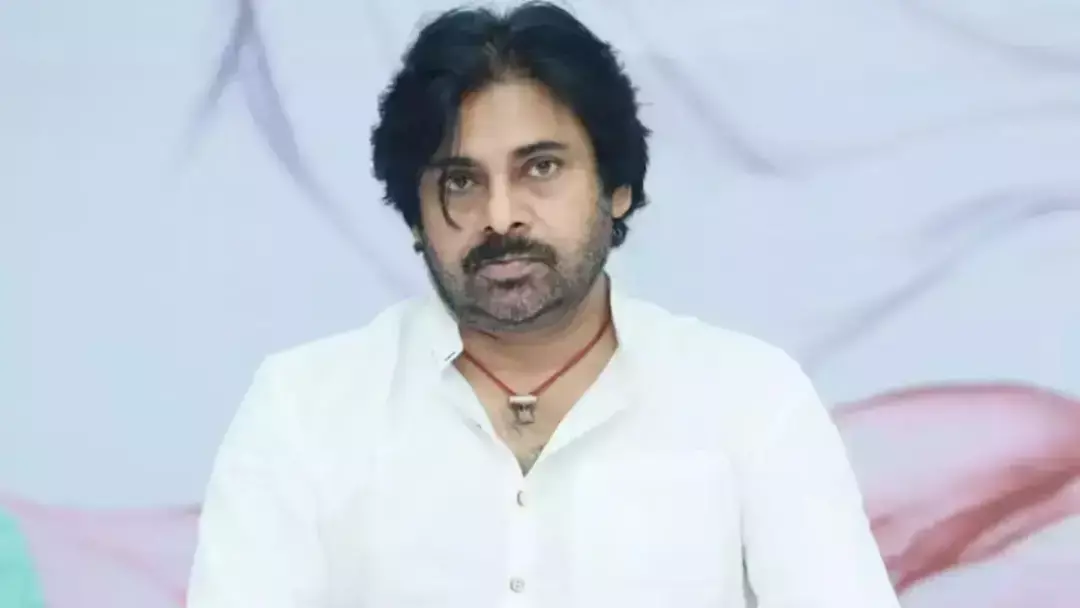
The world of Indian cinema is no stranger to controversy, and the latest incident involves Telugu actor and politician Pawan Kalyan. The Deputy Chief Minister of Andhra Pradesh recently found himself at the center of a storm after making a comment about the dying coconut trees in the Konaseema region. According to reports, Kalyan attributed the phenomenon to “evil eye,” a statement that has not gone down well with the Telangana government.
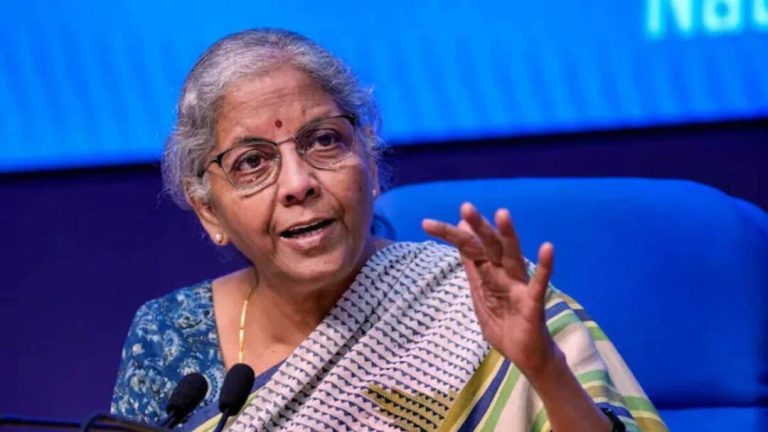
Telangana Cinematography Minister Komatireddy Venkat Reddy has come out strongly against Kalyan’s remark, demanding an apology from the actor-turned-politician. Reddy’s reaction is understandable, given the seriousness of the issue at hand. The dying coconut trees in Konaseema are a matter of concern for the local farmers and the environment, and Kalyan’s comment has been perceived as insensitive and unhelpful.
Reddy’s warning to Kalyan is clear: if the actor fails to apologize for his comment, his films will not be screened in Telangana. This is a significant threat, given the large market that Telangana represents for Telugu cinema. The minister’s statement has sparked a debate about the role of celebrities in public discourse and the impact of their words on sensitive issues.
The controversy surrounding Kalyan’s comment has also highlighted the complex relationship between politics and cinema in India. As a politician, Kalyan is expected to be mindful of the impact of his words on his constituents and the environment. However, as an actor, he may feel that he has the freedom to express his opinions without fear of repercussions.
The issue of the dying coconut trees in Konaseema is a serious one, and it requires a thoughtful and informed response from leaders like Kalyan. By attributing the problem to “evil eye,” Kalyan has missed an opportunity to engage with the issue in a meaningful way and to offer constructive solutions. Instead, his comment has been seen as flippant and dismissive, and it has provoked a strong reaction from the Telangana government.
The demand for an apology from Kalyan is not unreasonable, given the offense that his comment has caused. As a public figure, Kalyan has a responsibility to be mindful of the impact of his words and to avoid making statements that are insensitive or hurtful. By apologizing for his comment, Kalyan can help to diffuse the controversy and to restore his reputation as a responsible and thoughtful leader.
However, if Kalyan fails to apologize, the consequences could be severe. Reddy’s warning that Kalyan’s films will not be screened in Telangana is a significant one, and it could have a major impact on the actor’s career. As a leading star in Telugu cinema, Kalyan relies on the support of his fans in Telangana and other parts of India. If his films are banned in Telangana, it could lead to a significant loss of revenue and a damage to his reputation.
The controversy surrounding Kalyan’s comment is also a reminder of the power of social media and the importance of responsible communication. In today’s digital age, comments and statements can spread quickly and widely, and they can have a major impact on public opinion and perception. As a public figure, Kalyan has a responsibility to be mindful of the impact of his words and to avoid making statements that are insensitive or hurtful.
In conclusion, the controversy surrounding Pawan Kalyan’s comment on the dying coconut trees in Konaseema is a serious one, and it highlights the complex relationship between politics and cinema in India. The demand for an apology from Kalyan is not unreasonable, given the offense that his comment has caused. As a public figure, Kalyan has a responsibility to be mindful of the impact of his words and to avoid making statements that are insensitive or hurtful. The consequences of failing to apologize could be severe, and they could have a major impact on Kalyan’s career and reputation.
About the Author