Fk AI: Frankenstein Director Guillermo del Toro at Gotham awards
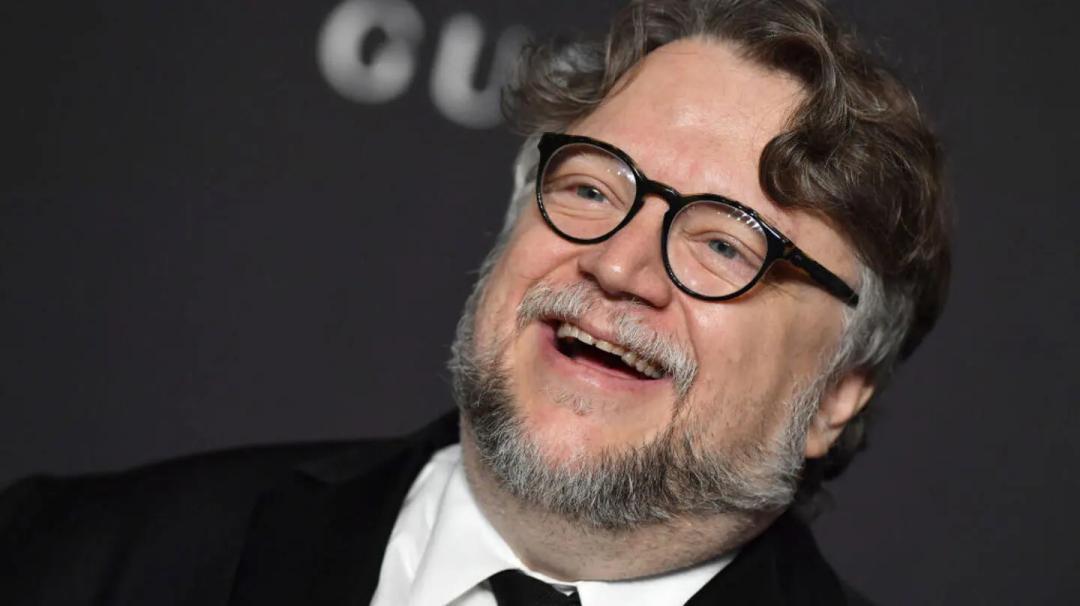
The Gotham Film Awards 2025 was a night to remember, with some of the biggest names in the film industry in attendance. However, it was Guillermo del Toro, the acclaimed director of the upcoming film Frankenstein, who stole the show with his passionate and provocative speech. Del Toro, who was being honored with the Vanguard Tribute, took the opportunity to express his strong feelings about the role of artificial intelligence (AI) in the film industry.
As he accepted the award, del Toro was joined on stage by the lead actors of his film, Jacob Elordi and Oscar Isaac. The director began by praising the hard work and dedication of his team, emphasizing the importance of human creativity and craftsmanship in the filmmaking process. He then turned his attention to the growing trend of using AI in film production, and his words were met with a mixture of applause and shock from the audience.
“…every single frame of this film…was wilfully made by humans, for humans,” del Toro declared, his voice filled with conviction. “I would like to extend our gratitude and say: F**k AI,” he added, leaving no doubt about his stance on the issue. The audience was taken aback by the director’s blunt language, but it was clear that he was driven by a passion for preserving the artistic integrity of filmmaking.
Del Toro’s comments were not just a spontaneous outburst, but a carefully considered statement about the role of AI in the film industry. As he explained, his film Frankenstein is a labor of love, a project that has been years in the making, and one that has required the dedication and expertise of hundreds of human artisans. From the intricate set designs to the complex special effects, every aspect of the film has been carefully crafted by human hands, and del Toro is determined to celebrate and preserve this tradition.
The use of AI in film production has been a topic of growing debate in recent years, with some proponents arguing that it can increase efficiency and reduce costs. However, del Toro and many other filmmakers are concerned that the over-reliance on AI could lead to a homogenization of styles and a loss of creativity. By relying on algorithms and machine learning, filmmakers may be sacrificing the very thing that makes their work unique and valuable: the human touch.
Del Toro’s film Frankenstein is a case in point. This classic tale of horror and tragedy has been retold and reinterpreted many times over the years, but del Toro’s version promises to be a unique and innovative take on the story. With its intricate sets, complex characters, and nuanced themes, the film is a testament to the power of human creativity and imagination. By rejecting the use of AI in his film, del Toro is making a bold statement about the importance of preserving the artistic integrity of filmmaking.
The reaction to del Toro’s speech was mixed, with some audience members applauding his passion and conviction, while others looked on in shock and discomfort. However, it is clear that the director’s words have struck a chord, and that his message will resonate with many filmmakers and artists who share his concerns about the role of AI in the creative industries.
As the film industry continues to evolve and adapt to new technologies, it is essential that we consider the potential consequences of relying too heavily on AI. While AI may be able to perform certain tasks more efficiently and effectively than humans, it is no substitute for the creativity, imagination, and passion that drives great art. By celebrating and preserving the human touch in filmmaking, we can ensure that our films remain unique, innovative, and meaningful, and that they continue to inspire and captivate audiences around the world.
In conclusion, Guillermo del Toro’s speech at the Gotham Film Awards 2025 was a powerful and thought-provoking statement about the role of AI in the film industry. By rejecting the use of AI in his film Frankenstein, del Toro is making a bold statement about the importance of preserving the artistic integrity of filmmaking, and celebrating the human creativity and craftsmanship that drives great art. As we look to the future of the film industry, it is essential that we consider the potential consequences of relying too heavily on AI, and that we prioritize the preservation of the human touch in filmmaking.
About the Author