T’gana minister slams Pawan for ‘evil eye’ remark, warns film ban
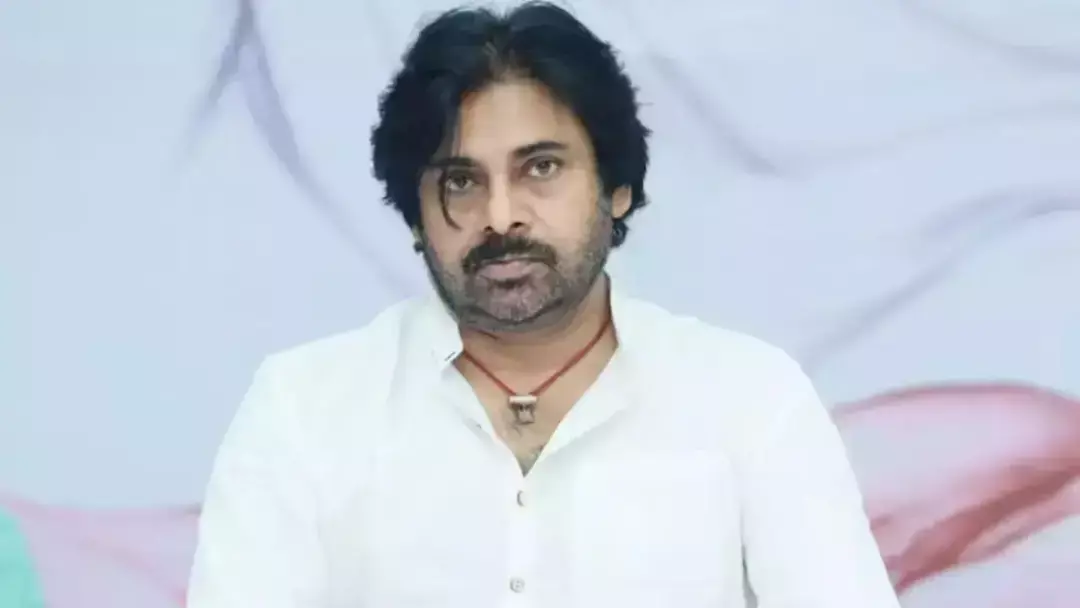
The world of Indian cinema is no stranger to controversy, and the latest incident involves Telugu actor and politician Pawan Kalyan. The Deputy Chief Minister of Andhra Pradesh, known for his charismatic on-screen presence, has landed himself in hot water over a recent comment. According to reports, Kalyan blamed the “evil eye” for the dying coconut trees in the Konaseema region, sparking outrage among the public and politicians alike.
Telangana Cinematography Minister Komatireddy Venkat Reddy has taken exception to Kalyan’s remark, demanding an apology from the actor-turned-politician. Reddy’s reaction is not surprising, given the sensitivity of the issue and the potential harm that such superstition-driven comments can cause. The Minister’s warning is clear: if Pawan Kalyan fails to apologize, his films will not be screened in Telangana.
The controversy began when Pawan Kalyan visited the Konaseema region, where he was briefed about the dying coconut trees. Instead of offering a solution or expressing concern, Kalyan allegedly attributed the phenomenon to the “evil eye”. This remark has been met with widespread criticism, with many accusing the actor of promoting superstition and ignoring the real issues affecting the region.
Komatireddy Venkat Reddy has been vocal in his criticism of Kalyan’s comment, stating that the actor’s words are not only unbecoming of a public figure but also harmful to the people of Telangana. The Minister has warned that if Kalyan fails to apologize, his films will not be released in Telangana, at least not without a significant delay. Reddy’s statement is a clear indication of the gravity of the situation and the potential consequences that Kalyan may face.
The incident has sparked a heated debate about the role of public figures in promoting superstition and the impact of their words on the general public. While some have come to Kalyan’s defense, arguing that his comment was taken out of context, others have condemned his remark as irresponsible and damaging.
The film industry, in particular, has been affected by the controversy, with many wondering what the future holds for Pawan Kalyan’s upcoming projects. The actor has a significant following in Telangana, and a ban on his films could have far-reaching consequences for his career.
As the situation continues to unfold, it remains to be seen whether Pawan Kalyan will apologize for his comment and diffuse the tension. The actor’s response will not only determine the fate of his films in Telangana but also reflect on his commitment to promoting rational thinking and scientific inquiry.
In a country where superstition and blind faith often coexist with modernity and progress, public figures have a significant responsibility to promote critical thinking and evidence-based reasoning. By attributing the dying coconut trees to the “evil eye”, Pawan Kalyan has inadvertently perpetuated a harmful stereotype that can have serious consequences for the environment and the people affected by it.
The incident serves as a reminder of the power of words and the impact that public figures can have on shaping public opinion. As the debate rages on, it is essential to recognize the importance of promoting scientific inquiry and critical thinking, especially in the face of complex environmental issues.
In conclusion, the controversy surrounding Pawan Kalyan’s comment is a stark reminder of the challenges that India faces in promoting rational thinking and scientific inquiry. As the country continues to grapple with the consequences of superstition and blind faith, it is essential to recognize the role that public figures can play in shaping public opinion and promoting positive change.
The future of Pawan Kalyan’s films in Telangana hangs in the balance, and it remains to be seen whether the actor will apologize and make amends. One thing is certain, however: the incident has sparked a much-needed debate about the importance of promoting critical thinking and evidence-based reasoning in Indian society.
About the Author