Meesho faces investor protest over anchor allotment to SBI Funds
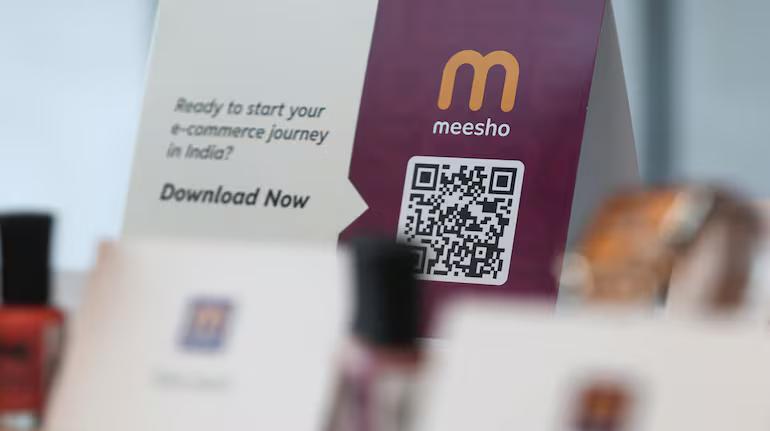
The Indian e-commerce industry has been abuzz with the news of Meesho’s upcoming initial public offering (IPO). However, the company has recently faced a setback after its anchor book allocation sparked a wave of protests from several prominent investors. According to reports, Meesho’s decision to allocate a significant portion of its anchor book to SBI Funds Management has led to the withdrawal of several large funds from the IPO lineup.
The anchor book allocation is a crucial aspect of the IPO process, where a portion of the shares are allocated to institutional investors before the IPO opens for public subscription. The anchor investors are typically large institutional investors who are given preference in the allocation of shares. In Meesho’s case, the company had allocated a significant portion of its anchor book to SBI Funds Management, which has reportedly led to the discontent among other investors.
The protests from investors are largely due to the perceived favoritism shown to SBI Funds Management. Several large funds, including Capital Group, Aberdeen Group, ICICI Prudential Asset Management, and Nippon India Life Asset Management, have withdrawn from the IPO lineup in protest. These investors had initially expressed interest in participating in the anchor book allocation but have now decided to opt out due to the allocation to SBI Funds Management.
Despite the protests, Meesho’s IPO lineup still includes several global investors, such as GIC and BlackRock. These investors have reportedly committed to investing in the company, which is expected to raise significant funds through its IPO. The inclusion of these global investors is a testament to Meesho’s strong growth prospects and its potential to become a leading player in the Indian e-commerce industry.
Meesho’s decision to allocate a significant portion of its anchor book to SBI Funds Management has raised questions about the company’s allocation strategy. While the company has not commented on the matter, it is likely that the allocation was made to ensure the participation of a large and reputable investor like SBI Funds Management. However, the move has clearly backfired, with several other investors deciding to withdraw from the IPO lineup.
The incident highlights the challenges faced by companies in managing their investor relationships during the IPO process. The allocation of shares to anchor investors is a critical aspect of the process, and companies must balance the interests of various investors to ensure a successful IPO. In Meesho’s case, the company’s decision to favor SBI Funds Management has clearly not gone down well with other investors, who feel that they have been unfairly treated.
The protests from investors are also a reflection of the competitive nature of the Indian e-commerce industry. With several companies vying for investor attention, the allocation of shares to anchor investors has become a critical aspect of the IPO process. Companies must navigate this complex landscape carefully to ensure that they can attract and retain the support of large and reputable investors.
In conclusion, Meesho’s decision to allocate a significant portion of its anchor book to SBI Funds Management has sparked a wave of protests from several prominent investors. While the company’s IPO lineup still includes several global investors, the incident highlights the challenges faced by companies in managing their investor relationships during the IPO process. As the Indian e-commerce industry continues to grow and evolve, companies like Meesho must navigate this complex landscape carefully to ensure their success.
The incident also raises questions about the transparency and fairness of the IPO allocation process. With several investors withdrawing from the IPO lineup in protest, it is clear that the allocation process must be more transparent and fair to ensure that all investors are treated equally. This is particularly important in the Indian e-commerce industry, where companies are vying for investor attention and the allocation of shares to anchor investors can make or break an IPO.
As Meesho moves forward with its IPO plans, the company must address the concerns of its investors and ensure that the allocation process is fair and transparent. This will not only help to restore investor confidence but also ensure that the company can attract and retain the support of large and reputable investors. With the Indian e-commerce industry expected to continue growing in the coming years, companies like Meesho must navigate this complex landscape carefully to ensure their success.
About the Author