T’gana Minister Slams Pawan for ‘Evil Eye’ Remark, Warns Film Ban
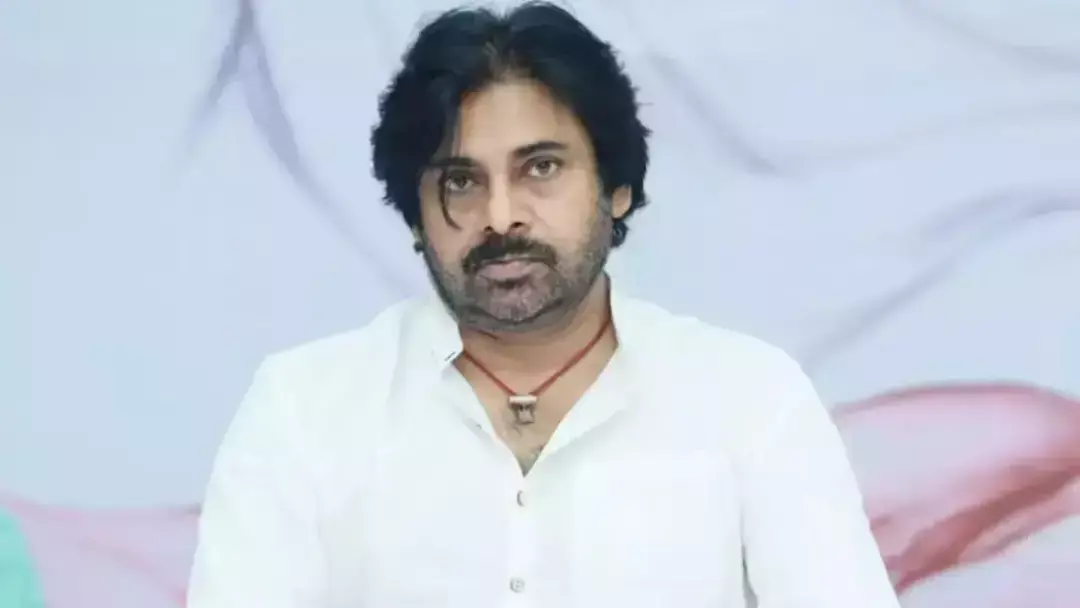
The world of politics and cinema often intersect, and when they do, controversy is usually not far behind. The latest example of this comes from the Indian state of Telangana, where a war of words has erupted between Telangana Cinematography Minister Komatireddy Venkat Reddy and actor-turned-politician Pawan Kalyan. The bone of contention is a remark made by Kalyan, who blamed the “evil eye” for the dying coconut trees in the Konaseema region. Reddy has taken umbrage with this comment and has demanded an apology from Kalyan, warning that if he fails to do so, his films will not be screened in Telangana.
The controversy began when Pawan Kalyan, who is also the Deputy Chief Minister of Andhra Pradesh, visited the Konaseema region and was apprised of the situation regarding the dying coconut trees. Instead of offering a solution or words of comfort to the affected farmers, Kalyan chose to attribute the problem to the “evil eye”. This remark was met with widespread criticism, with many accusing Kalyan of being insensitive and superstitious. The Telangana Cinematography Minister, Komatireddy Venkat Reddy, was particularly scathing in his criticism of Kalyan, demanding that he apologize for his thoughtless comment.
Reddy’s anger is understandable, given the seriousness of the issue at hand. The dying coconut trees are a major concern for the farmers of the Konaseema region, who depend on them for their livelihood. By dismissing the issue as a result of the “evil eye”, Kalyan is not only being insensitive but also failing to address the real problems faced by the farmers. Reddy has warned Kalyan that if he fails to apologize, his films will not be screened in Telangana, a move that could have significant financial implications for the actor.
The demand for an apology is not an unreasonable one, given the context of the situation. As a public figure, Kalyan has a responsibility to be mindful of his words and actions, and to avoid causing unnecessary offense or hurt to others. By blaming the “evil eye” for the dying coconut trees, Kalyan is perpetuating superstition and ignorance, rather than promoting a rational and scientific understanding of the issue. An apology would be a step in the right direction, as it would acknowledge the hurt caused by his words and demonstrate a willingness to learn from his mistakes.
The warning issued by Reddy is a serious one, and it remains to be seen how Kalyan will respond to it. If Kalyan fails to apologize, it could have significant consequences for his film career, at least in Telangana. The Minister has made it clear that if Kalyan apologizes, his movies will be screened at least for a couple of days, but if he fails to do so, his films will not release anywhere in the state. This is a significant threat, given the large and loyal fan base that Kalyan enjoys in Telangana.
The controversy surrounding Kalyan’s remark is a reminder of the power of words and the importance of being mindful of their impact. As public figures, politicians and actors have a responsibility to use their words and actions to promote positivity and understanding, rather than perpetuating negativity and superstition. The demand for an apology is a reasonable one, and it remains to be seen how Kalyan will respond to it.
In conclusion, the controversy surrounding Pawan Kalyan’s remark on the dying coconut trees in the Konaseema region is a serious one, and it highlights the need for public figures to be mindful of their words and actions. The demand for an apology by Telangana Cinematography Minister Komatireddy Venkat Reddy is a reasonable one, and it remains to be seen how Kalyan will respond to it. The warning issued by Reddy is a serious one, and it could have significant consequences for Kalyan’s film career in Telangana.
About the Author