T’gana minister slams Pawan for ‘evil eye’ remark, warns film ban
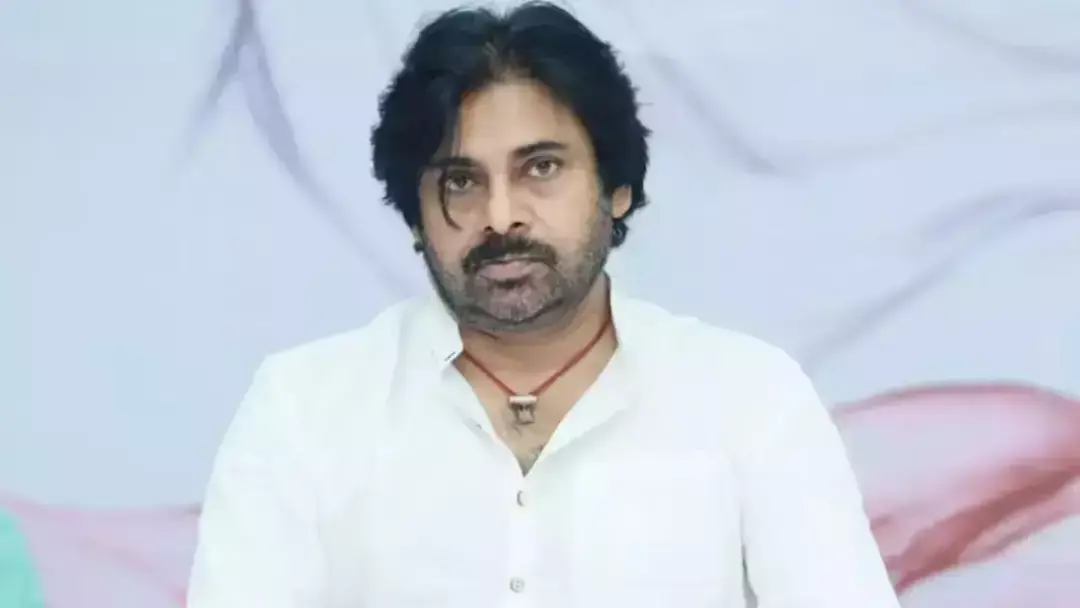
The world of Indian cinema is no stranger to controversy, and the latest incident involves Telugu actor and Deputy Chief Minister of Andhra Pradesh, Pawan Kalyan. In a recent statement, Kalyan sparked outrage by attributing the dying coconut trees in the Konaseema region to “evil eye.” This remark has not gone down well with the Telangana government, particularly with Cinematography Minister Komatireddy Venkat Reddy.
Reddy has demanded an apology from Pawan Kalyan, stating that his comment was not only unbecoming of a public figure but also an insult to the people of Telangana. The minister’s reaction is understandable, given the sensitivity of the issue. The dying coconut trees in Konaseema have been a cause of concern for the local population, and Kalyan’s flippant remark has been perceived as a trivialization of their struggles.
The situation has taken a turn for the worse, with Reddy warning that if Pawan Kalyan fails to apologize, his films will not be allowed to release in Telangana. This is a significant threat, considering the large fan base that Kalyan enjoys in the state. Reddy’s statement has sent shockwaves through the film industry, with many wondering if the minister’s warning is a genuine attempt to hold Kalyan accountable or merely a political maneuver.
The controversy surrounding Pawan Kalyan’s comment has raised questions about the responsibility of public figures in India. As a Deputy Chief Minister and a popular actor, Kalyan’s words carry significant weight, and his remark has been seen as an abuse of his position. The fact that he chose to attribute the dying coconut trees to “evil eye” rather than acknowledging the real issues affecting the region has been criticized by many.
The demand for an apology from Pawan Kalyan is not unreasonable, given the offense caused by his comment. However, the warning that his films will be banned in Telangana if he fails to apologize has been met with skepticism by some. The film industry is a significant contributor to the state’s economy, and a ban on Kalyan’s films could have far-reaching consequences.
Moreover, the issue raises questions about the role of politics in the film industry. Pawan Kalyan’s dual role as a Deputy Chief Minister and an actor has often led to controversy, and this incident is no exception. The fact that a minister is threatening to ban his films over a comment has been seen as an overreach of political power.
In the midst of this controversy, it is essential to consider the impact on the people of Telangana. The dying coconut trees in Konaseema are a genuine concern, and the focus should be on finding solutions to the problem rather than engaging in political one-upmanship. The people of the region deserve better than to be used as pawns in a political game.
As the situation unfolds, it remains to be seen if Pawan Kalyan will apologize for his comment. If he does, it is likely that the controversy will die down, and his films will be allowed to release in Telangana. However, if he refuses to apologize, the consequences could be severe, not just for him but also for the film industry as a whole.
In conclusion, the controversy surrounding Pawan Kalyan’s comment is a complex issue that raises questions about the responsibility of public figures, the role of politics in the film industry, and the impact on the people of Telangana. As the situation continues to unfold, it is essential to consider the broader implications and work towards finding solutions that benefit all parties involved.
About the Author