T’gana minister slams Pawan for ‘evil eye’ remark, warns film ban
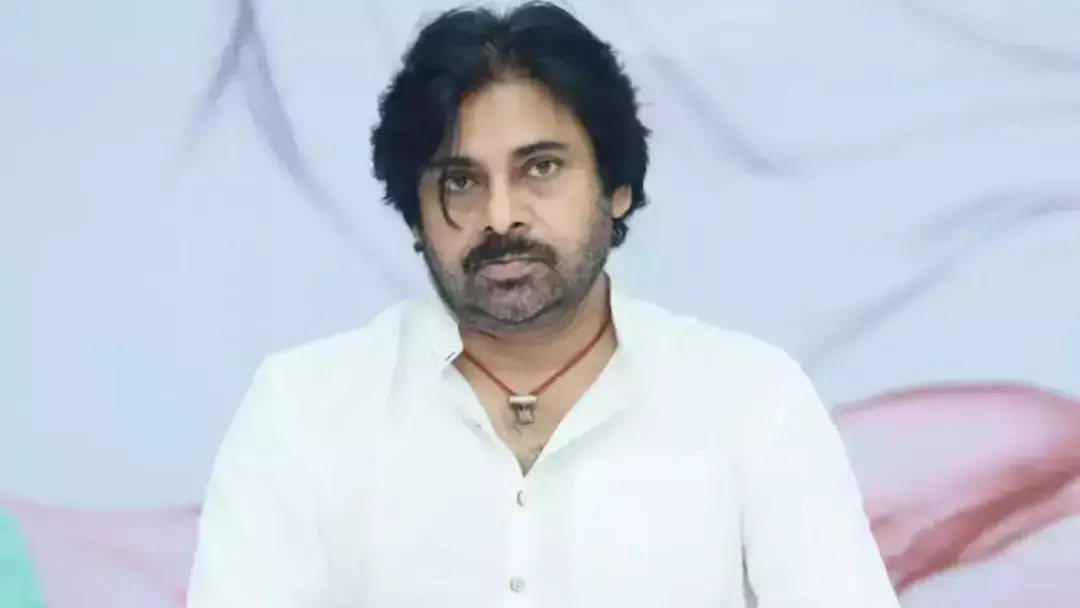
The world of Indian cinema is no stranger to controversy, and the latest incident involves Telugu actor and politician Pawan Kalyan. In a recent statement, Kalyan attributed the dying coconut trees in the Konaseema region to “evil eye,” sparking outrage and criticism from various quarters. One such critic is Telangana Cinematography Minister Komatireddy Venkat Reddy, who has demanded an apology from the actor-turned-politician.
The controversy began when Pawan Kalyan, who is also the Deputy Chief Minister of Andhra Pradesh, visited the Konaseema region to assess the situation of the dying coconut trees. Instead of offering a rational explanation or solution, Kalyan chose to blame the “evil eye” for the predicament. This remark did not sit well with many, including Minister Komatireddy Venkat Reddy, who took strong exception to Kalyan’s statement.
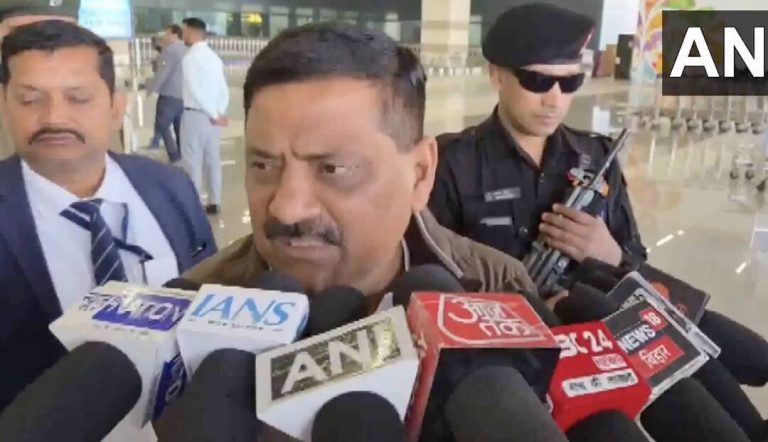
Reddy, who is known for his straightforward and no-nonsense approach, slammed Kalyan for his “irresponsible” comment. The minister argued that Kalyan’s statement was not only unbecoming of a public figure but also an insult to the people of Telangana. Reddy demanded that Kalyan apologize for his remark, warning that failure to do so would result in a ban on his films in Telangana.
The minister’s warning is not an empty threat, as he has the power to influence the screening of films in Telangana. Reddy stated, “If Pawan Kalyan apologises, his movies will be screened at least a couple of days, if he fails to apologise, his films won’t release anywhere in Telangana.” This statement sends a clear message that the minister is willing to take drastic measures if Kalyan does not retract his statement and apologize.
The controversy has sparked a heated debate, with many weighing in on the issue. While some have come to Kalyan’s defense, arguing that his statement was taken out of context, others have criticized him for his lack of sensitivity and understanding. The fact that Kalyan is a public figure and a politician makes his statement even more problematic, as it is expected that he will be more responsible and thoughtful in his words and actions.
The issue also raises questions about the role of superstition in Indian society. While many Indians still believe in superstitions like the “evil eye,” it is surprising that a public figure like Kalyan would resort to such an explanation for a complex issue like the dying coconut trees. This incident highlights the need for more rational and scientific thinking in our society, especially among our leaders.
In the meantime, Pawan Kalyan has not responded to the minister’s demand for an apology. It remains to be seen how this controversy will play out and whether Kalyan will apologize for his statement. One thing is certain, however: the people of Telangana are watching, and they expect their leaders to be more responsible and thoughtful in their words and actions.
The incident also raises questions about the relationship between politics and cinema in India. As an actor and politician, Pawan Kalyan has a significant following in both Telangana and Andhra Pradesh. However, his statement has put him at odds with the Telangana government, which could have implications for his film career.
In conclusion, the controversy surrounding Pawan Kalyan’s “evil eye” remark is a complex issue that raises questions about superstition, leadership, and the relationship between politics and cinema. As the situation unfolds, it will be interesting to see how Kalyan responds to the minister’s demand for an apology and whether his films will be banned in Telangana.
About the Author