T’gana minister slams Pawan for ‘evil eye’ remark, warns film ban
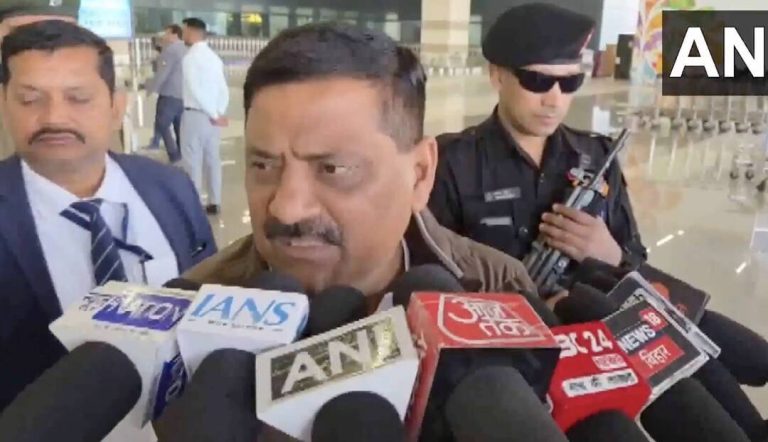
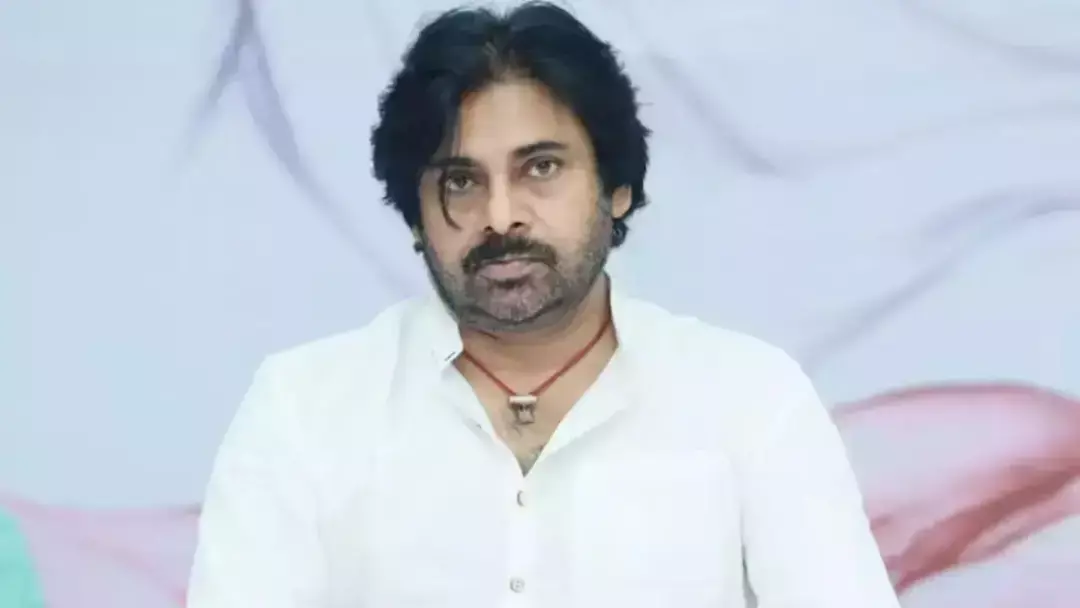
The world of politics and entertainment often collide, and the latest controversy to emerge from the Indian state of Telangana is a prime example of this intersection. In a shocking turn of events, Telangana Cinematography Minister Komatireddy Venkat Reddy has slammed Deputy Chief Minister and actor Pawan Kalyan for his recent comments on the dying coconut trees in the Konaseema region. Kalyan had attributed the demise of the trees to an “evil eye,” sparking outrage and demands for an apology from the Minister.
The controversy began when Pawan Kalyan, a prominent figure in Telugu cinema, made a statement that seemed to dismiss the concerns of the local farmers and residents who are struggling to save the coconut trees. By blaming the “evil eye” for the trees’ decline, Kalyan appeared to be downplaying the role of environmental factors and human actions in the crisis. This remark did not sit well with the Telangana government, particularly Minister Komatireddy Venkat Reddy, who took strong exception to Kalyan’s statement.
Minister Reddy demanded an apology from Pawan Kalyan, stating that his comments were not only insensitive but also unbecoming of a public figure. Reddy warned that if Kalyan failed to apologize, his films would not be screened in Telangana, a move that could potentially have significant financial implications for the actor’s upcoming projects. The Minister’s warning was clear: “If Pawan Kalyan apologises, his movies will be screened at least a couple of days, if he fails to apologise, his films won’t release anywhere in Telangana.”
This development has sent shockwaves through the Telugu film industry, with many of Kalyan’s fans and supporters rallying to his defense. However, others have criticized the actor for his perceived lack of empathy and understanding of the issues facing the people of Konaseema. The region has been struggling to cope with the decline of the coconut trees, which are not only an important source of income for local farmers but also a vital part of the ecosystem.
The controversy has also raised questions about the role of celebrities in public discourse and their responsibility to be mindful of the impact of their words. As public figures, celebrities like Pawan Kalyan have a significant following and influence, and their statements can shape public opinion and perceptions. In this context, Kalyan’s comment on the “evil eye” being responsible for the dying coconut trees can be seen as a missed opportunity to raise awareness about the environmental issues facing the region and to mobilize support for the affected communities.
Furthermore, the warning issued by Minister Reddy has sparked a debate about the limits of free speech and the power of the state to regulate artistic expression. While the Minister’s demand for an apology may be seen as an attempt to hold Kalyan accountable for his words, it also raises concerns about censorship and the potential for political interference in the film industry.
As the controversy continues to unfold, it remains to be seen how Pawan Kalyan will respond to Minister Reddy’s demands. Will the actor apologize for his comments, or will he stand by his statement? The outcome of this saga will not only have implications for Kalyan’s career but also for the broader relationship between politics and entertainment in Telangana.
In conclusion, the controversy surrounding Pawan Kalyan’s “evil eye” remark is a complex issue that highlights the challenges of navigating the intersection of politics, entertainment, and environmental concerns. As the people of Telangana wait with bated breath to see how this saga will play out, one thing is clear: the stakes are high, and the consequences of Kalyan’s actions will be far-reaching.
About the Author