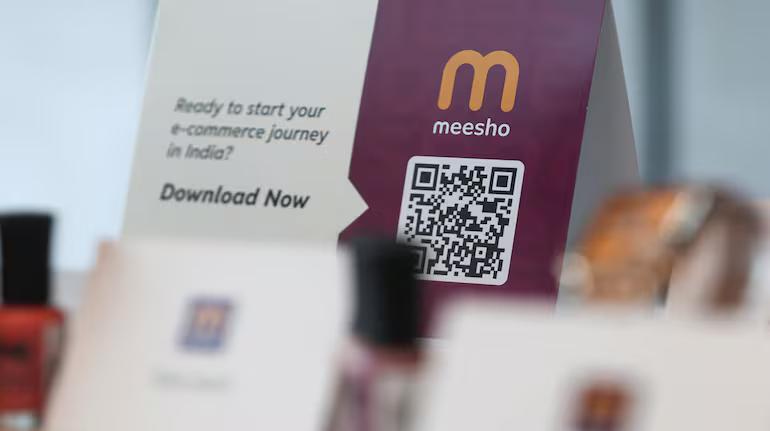
Meesho faces investor protest over anchor allotment to SBI Funds
The Indian e-commerce industry has been abuzz with the upcoming initial public offering (IPO) of Meesho, a social commerce platform that has gained immense popularity in recent years. However, the company’s anchor book has faced a significant setback after a substantial allocation to SBI Funds Management, prompting several large funds to withdraw their investments in protest. Despite this development, Meesho’s IPO lineup still boasts an impressive array of global investors, including GIC and BlackRock.
According to reports, Meesho’s anchor book had initially attracted significant interest from various investors, with many prominent funds expressing their desire to participate in the company’s IPO. However, the allocation of a substantial portion of the anchor book to SBI Funds Management led to a backlash from other large investors. Several notable funds, including Capital Group, Aberdeen Group, ICICI Prudential Asset Management, and Nippon India Life Asset Management, withdrew their investments in protest.
The reason behind this protest is believed to be the perception that SBI Funds Management received a disproportionately large allocation, which may have been influenced by the company’s existing relationships with State Bank of India (SBI). This has raised concerns among other investors about the fairness and transparency of the allocation process. The protest by these large funds is a significant setback for Meesho, as it may impact the overall response to the company’s IPO.
Despite this development, Meesho’s IPO lineup still includes several prominent global investors, such as GIC and BlackRock. These investors have reportedly committed to investing in the company’s IPO, which is expected to raise significant capital for Meesho’s future growth plans. The participation of these global investors is a testament to Meesho’s strong business model and growth prospects, which have attracted interest from investors worldwide.
Meesho’s business model is based on a social commerce platform that connects buyers with sellers, primarily focusing on the unorganized retail sector in India. The company has experienced rapid growth in recent years, driven by the increasing adoption of e-commerce in India and the growing demand for online shopping platforms. Meesho’s platform provides a unique opportunity for small and medium-sized enterprises (SMEs) to reach a wider audience, and the company has been successful in creating a large and active user base.
The Indian e-commerce industry has been growing rapidly in recent years, driven by the increasing adoption of digital payments, improving internet connectivity, and the growing demand for online shopping platforms. The industry is expected to continue growing in the coming years, driven by the increasing penetration of e-commerce in tier 2 and tier 3 cities. Meesho is well-positioned to benefit from this growth, given its strong business model and large user base.
In conclusion, Meesho’s IPO has faced a significant setback due to the protest by large investors over the anchor allotment to SBI Funds Management. However, the company’s IPO lineup still includes several prominent global investors, which is a testament to Meesho’s strong business model and growth prospects. The Indian e-commerce industry is expected to continue growing in the coming years, and Meesho is well-positioned to benefit from this growth. As the company moves forward with its IPO plans, it will be interesting to see how the investor community responds to the offering.
The developments surrounding Meesho’s IPO are a reminder of the complexities and challenges involved in the IPO process. The allocation of anchor books is a critical aspect of the IPO process, and companies must ensure that the process is fair and transparent to avoid any controversies. Meesho’s experience serves as a lesson for other companies planning to go public, highlighting the importance of maintaining a fair and transparent allocation process.
As the Indian e-commerce industry continues to grow and evolve, companies like Meesho will play a critical role in shaping the industry’s future. The company’s strong business model and large user base make it an attractive investment opportunity, and the participation of global investors like GIC and BlackRock is a testament to its growth prospects. However, the company must navigate the challenges and complexities of the IPO process to achieve its goals and realize its full potential.
In the coming weeks and months, it will be interesting to see how Meesho’s IPO unfolds and how the investor community responds to the offering. The company’s ability to navigate the challenges and complexities of the IPO process will be critical to its success, and the outcome of the IPO will have significant implications for the Indian e-commerce industry as a whole.
About the Author